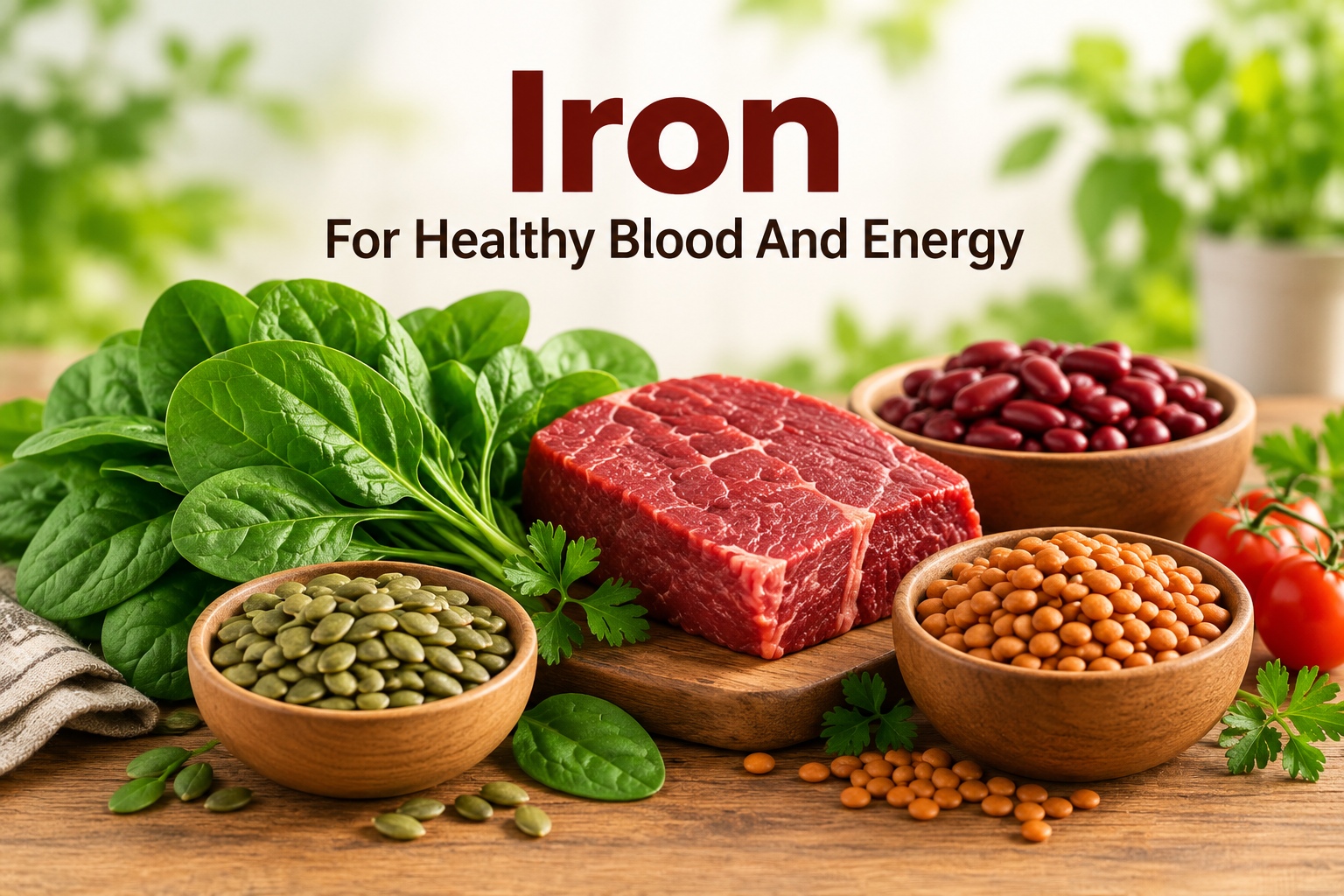
Iron
Iron is an essential mineral that helps produce hemoglobin, which carries oxygen throughout the body.
Key Nutritional Roles
- Supports Healthy Red Blood Cells
- Supports Normal Energy Metabolism
- Supports Normal Cognitive Function
Explore Iron →
Preparing your nutrition information...
Explore essential vitamins, minerals, protein, and fiber, and learn about their nutritional roles, food sources, and related health topics.
Nutrition & Nutrient Guide
Nutrients are substances that the body needs for normal growth, development, energy metabolism, and everyday functions. They come from a wide variety of foods and beverages consumed as part of the diet.
Essential nutrients include vitamins, minerals, protein, fats, carbohydrates, and other dietary components such as fiber. Different nutrients have different roles, and eating a varied diet can help provide a broad range of nutrients.
Explore the nutrient library below to learn about individual nutrients, their nutritional roles, food sources, and related nutrition topics.
Explore Our Nutrient Library
Learn about individual nutrients and discover their nutritional roles, benefits, food sources, and related topics.
Iron is an essential mineral that helps produce hemoglobin, which carries oxygen throughout the body.
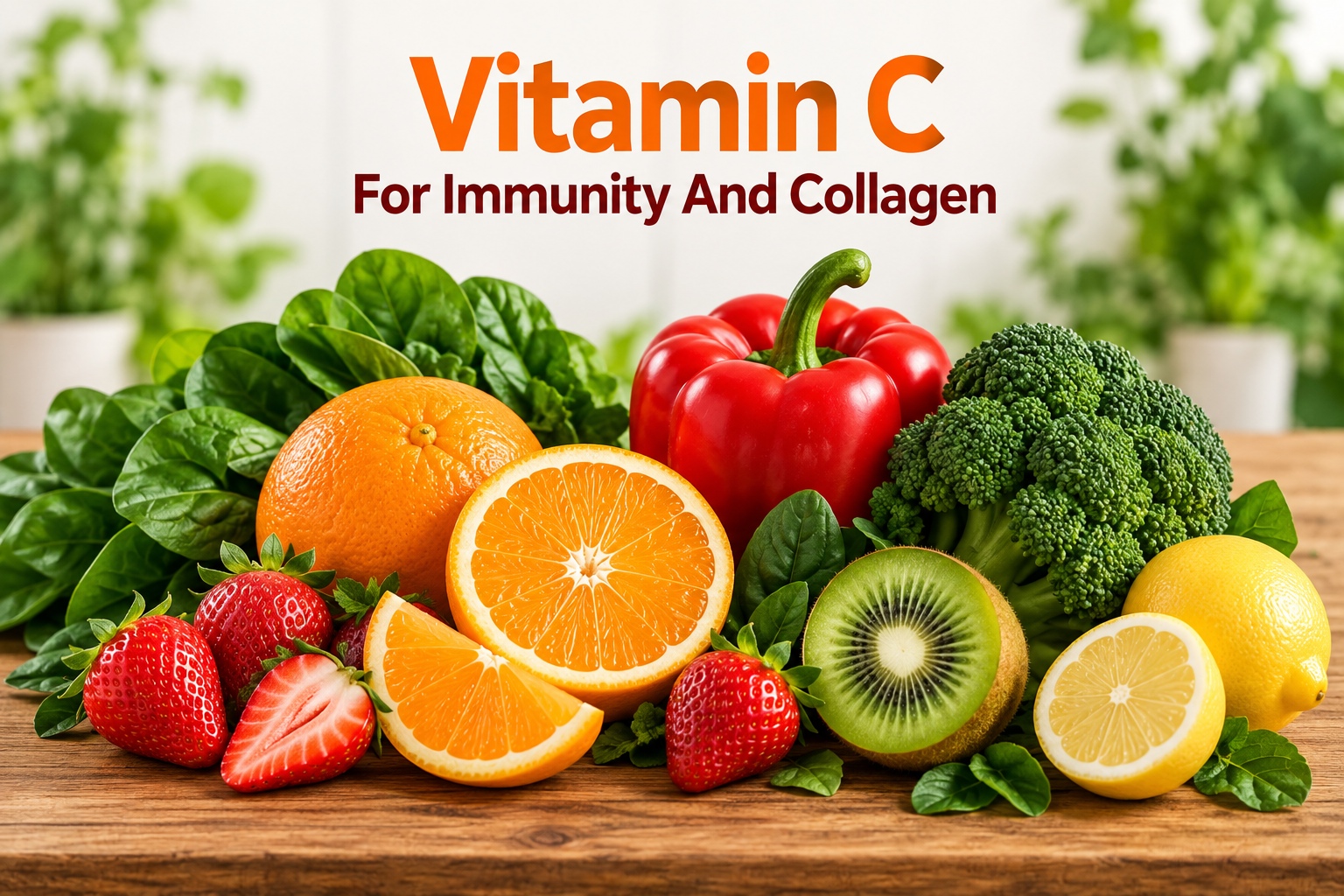
Vitamin C is an essential vitamin and antioxidant that supports immune function, collagen formation, and iron absorption.
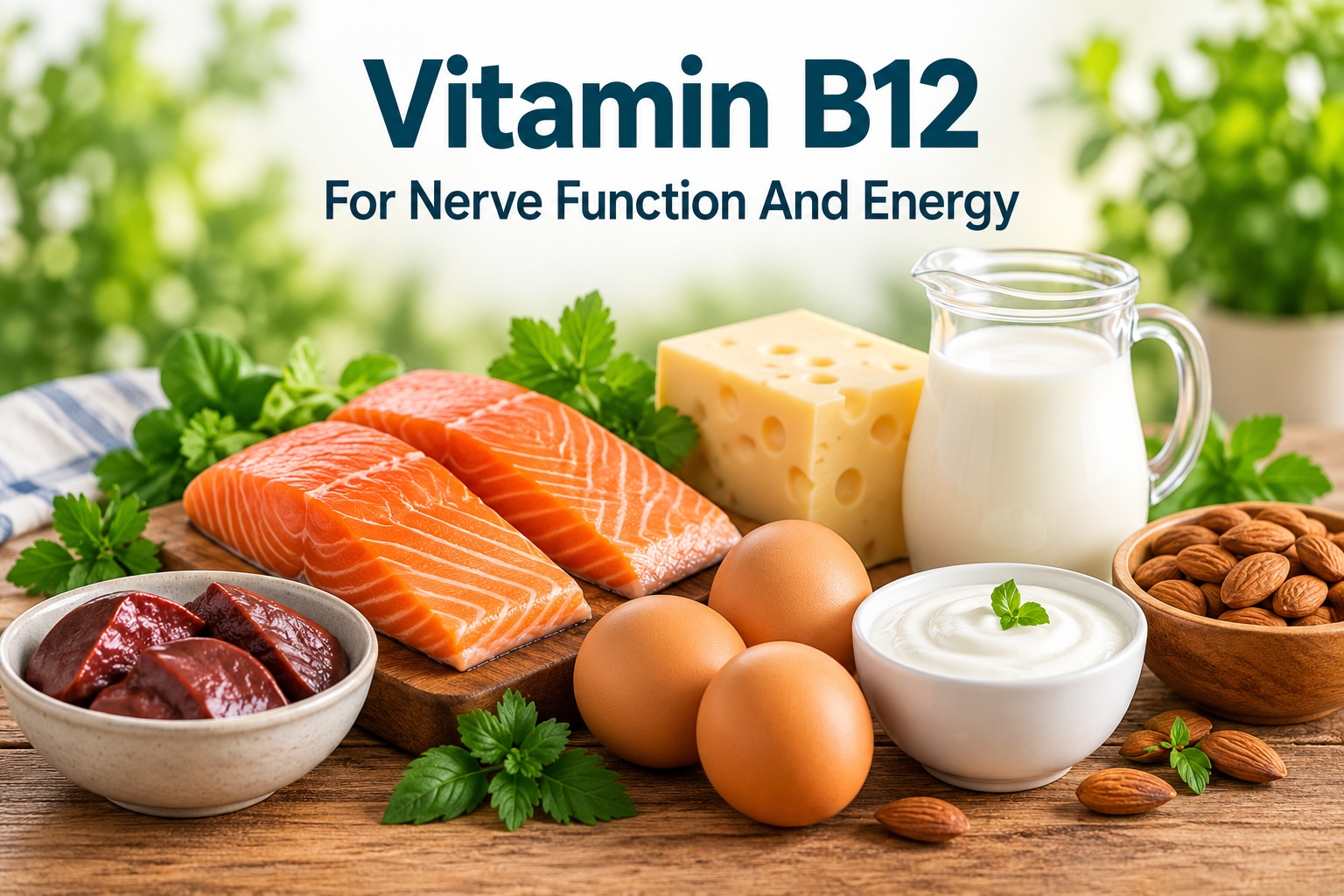
Vitamin B12 is an essential vitamin that supports normal nerve function and red blood cell formation.
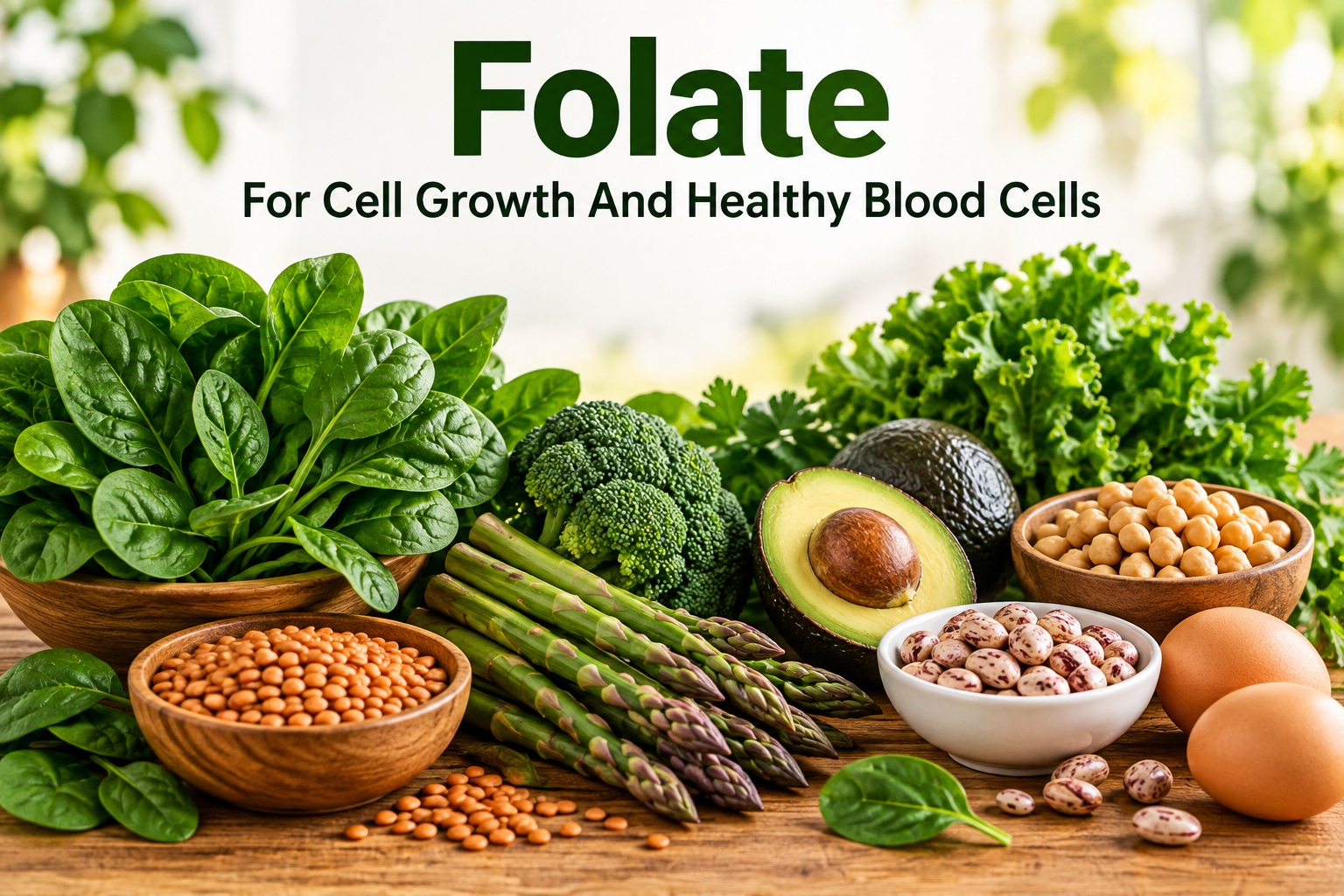
Folate is a B vitamin that supports DNA formation, cell division, and normal red blood cell production.
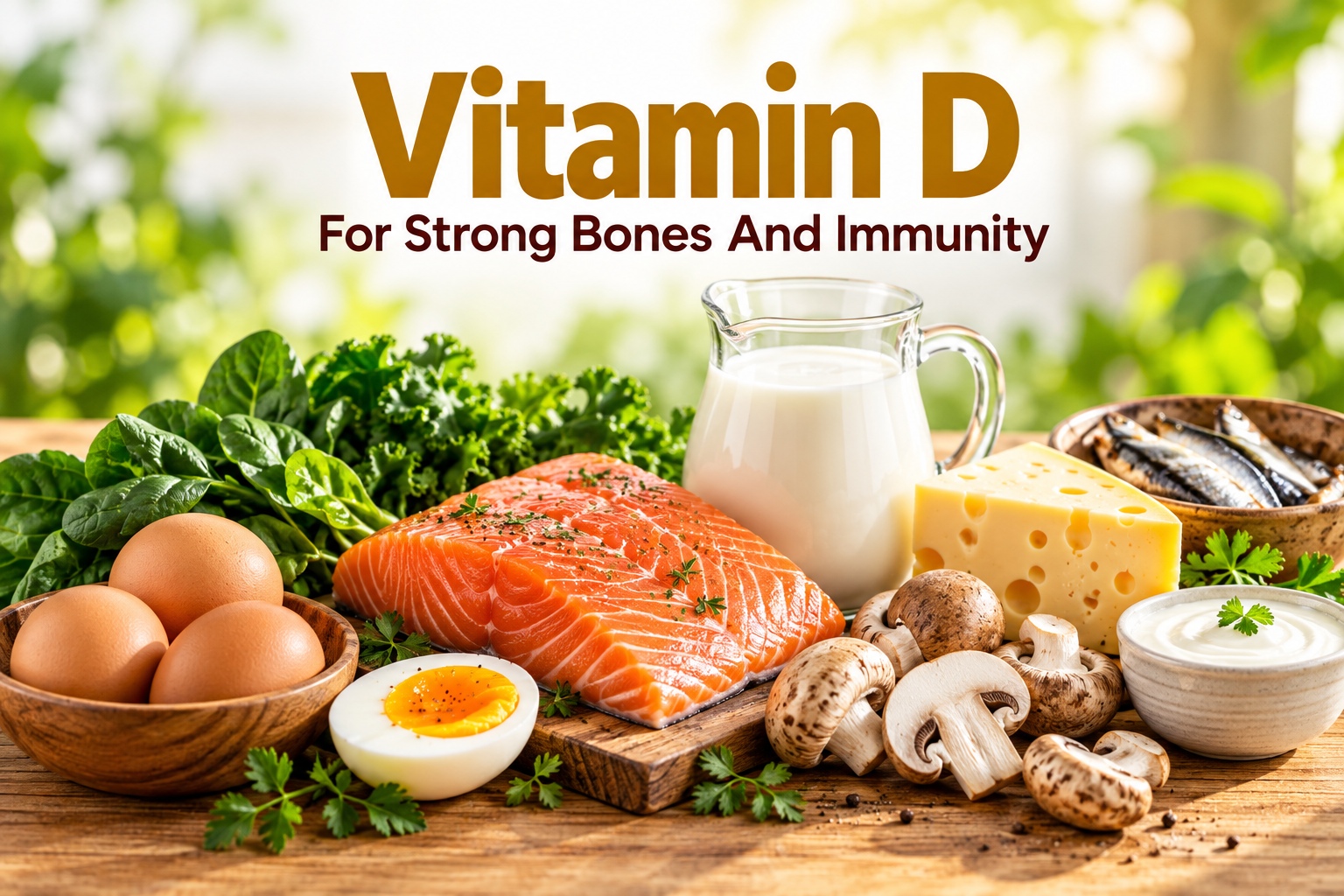
Vitamin D helps the body absorb calcium and supports normal bones, muscles, and immune function.
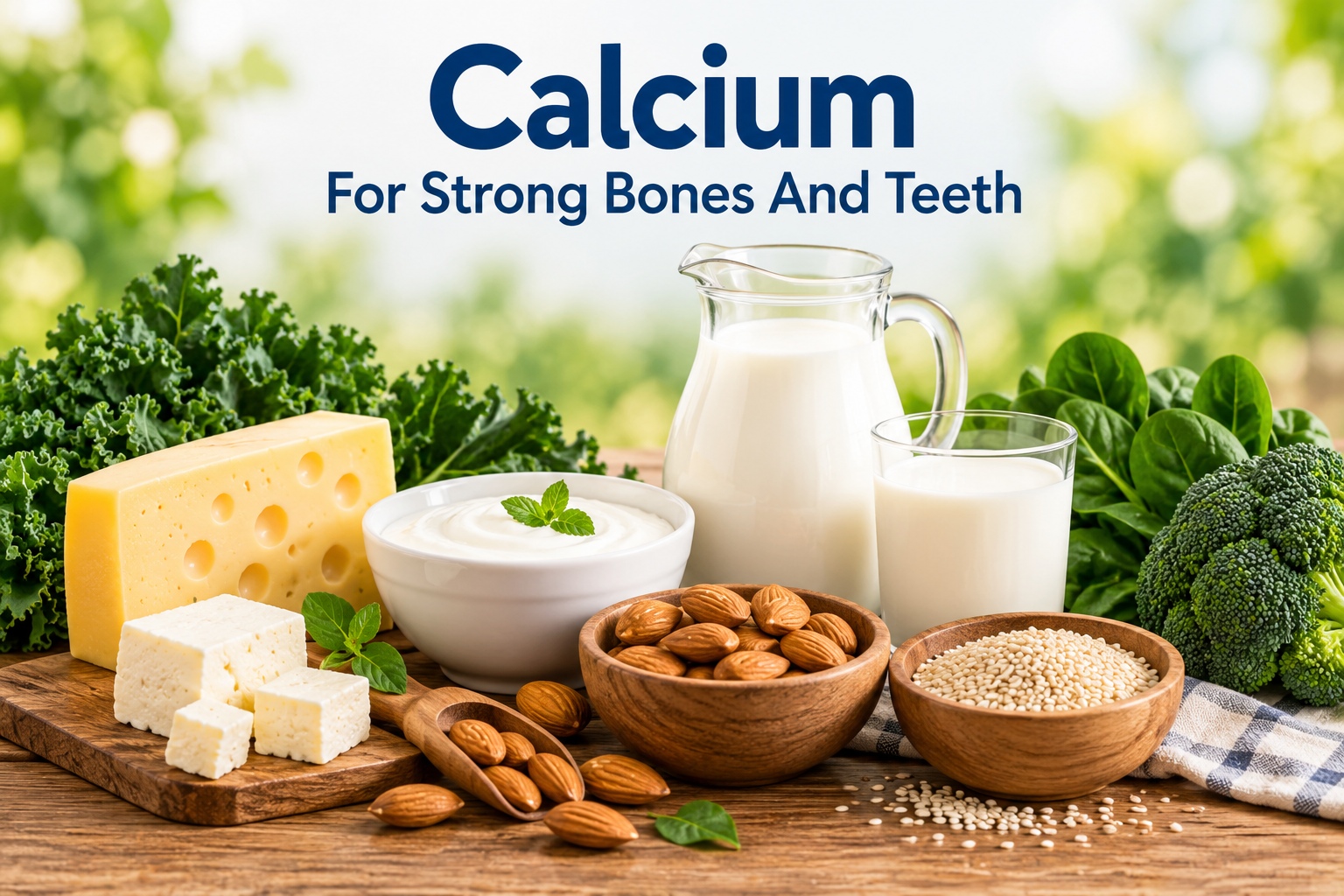
Calcium is an essential mineral needed for strong bones and teeth, muscle function, and normal nerve signaling.
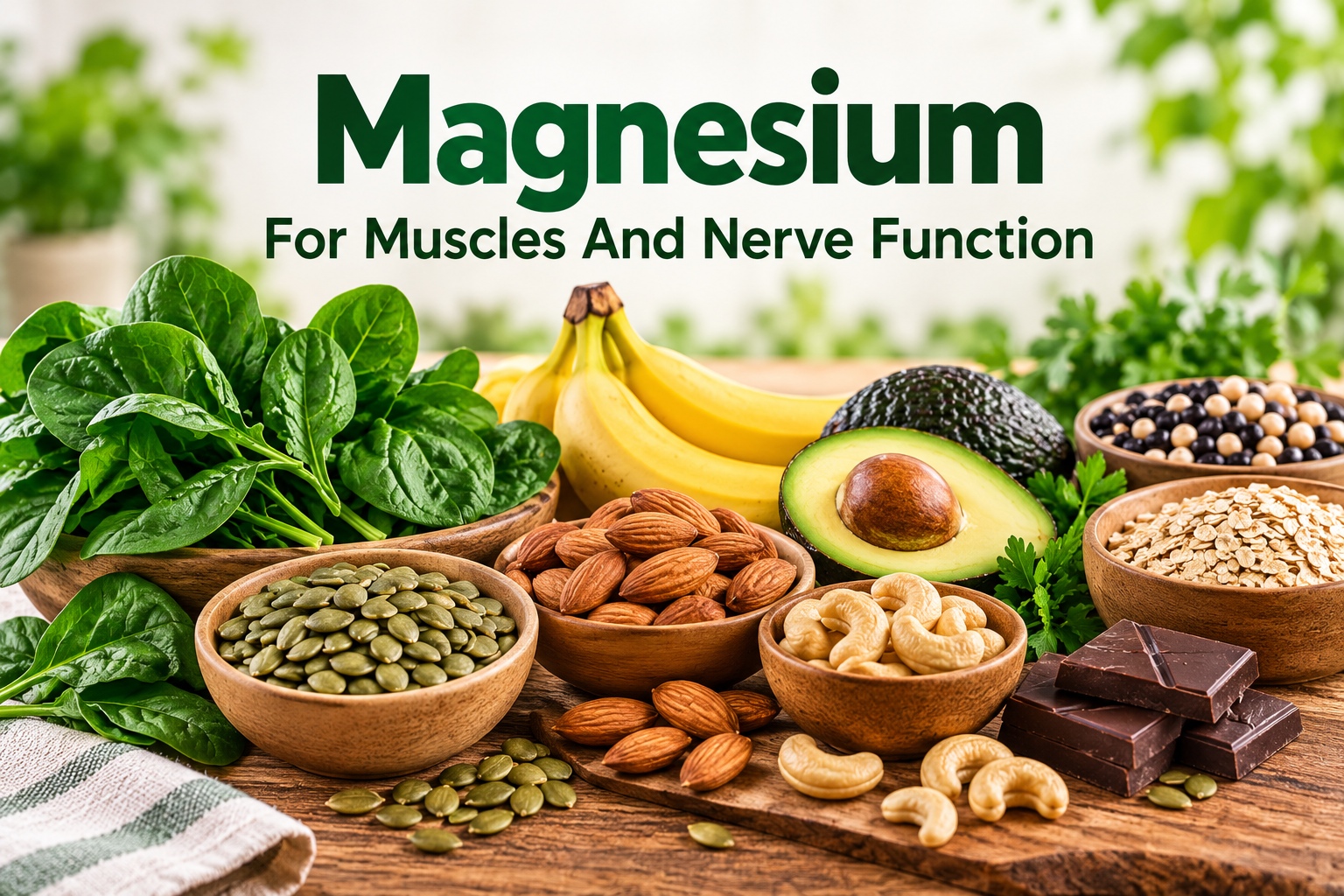
Magnesium is an essential mineral involved in muscle function, nerve function, energy metabolism, and many biochemical reactions.
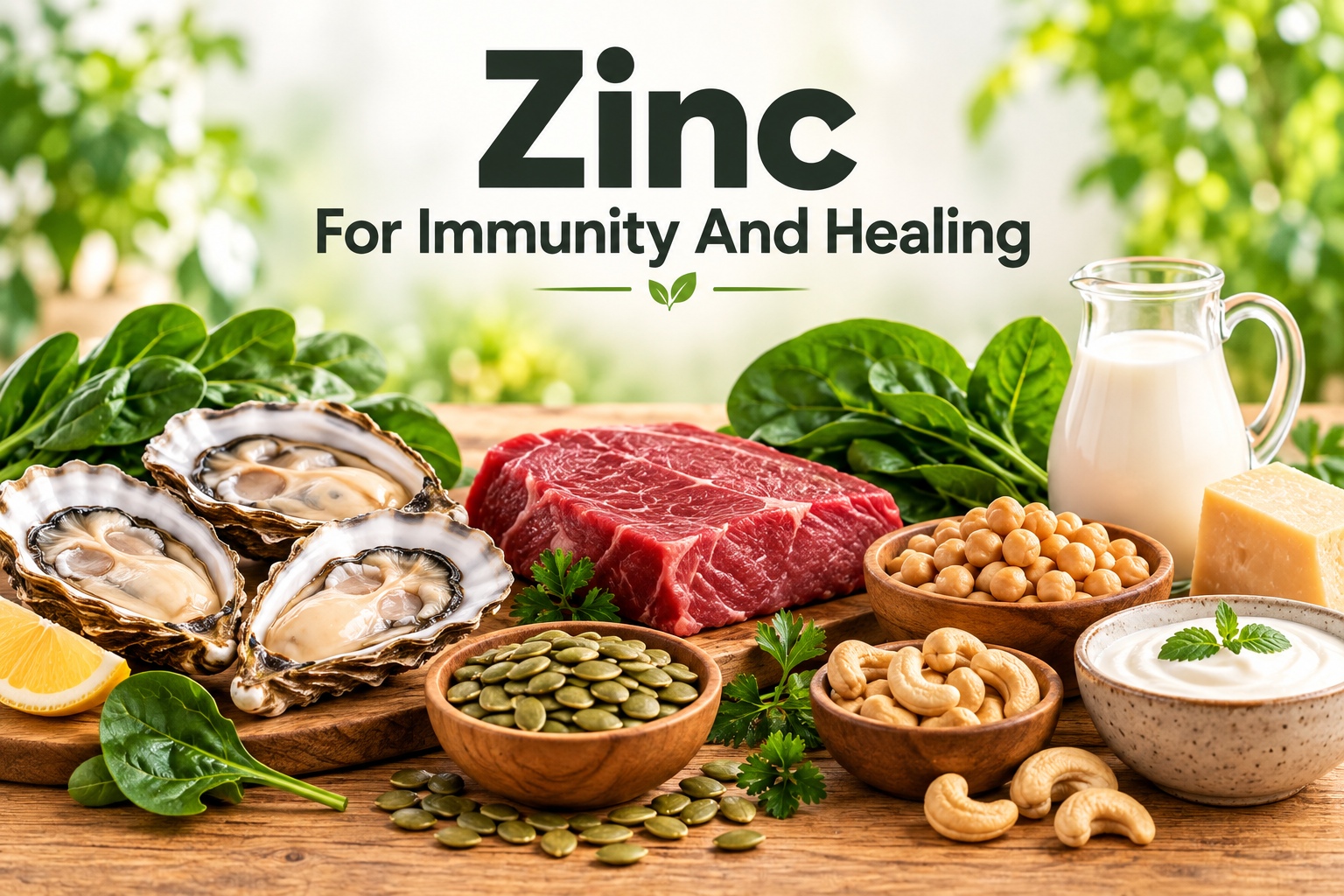
Zinc is an essential mineral that supports immune function, wound healing, and normal growth and development.
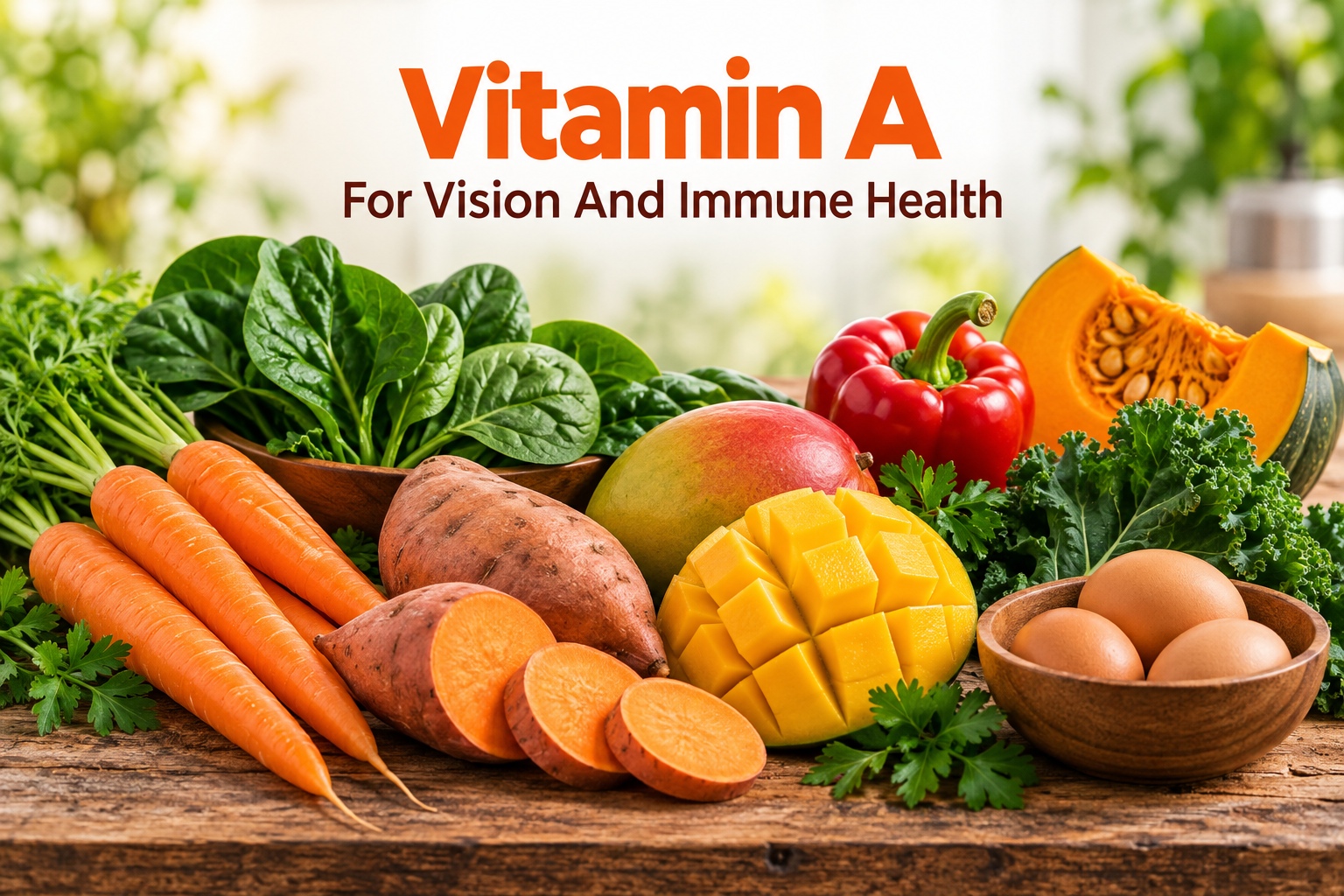
Vitamin A supports normal vision, immune function, skin health, and cell growth.
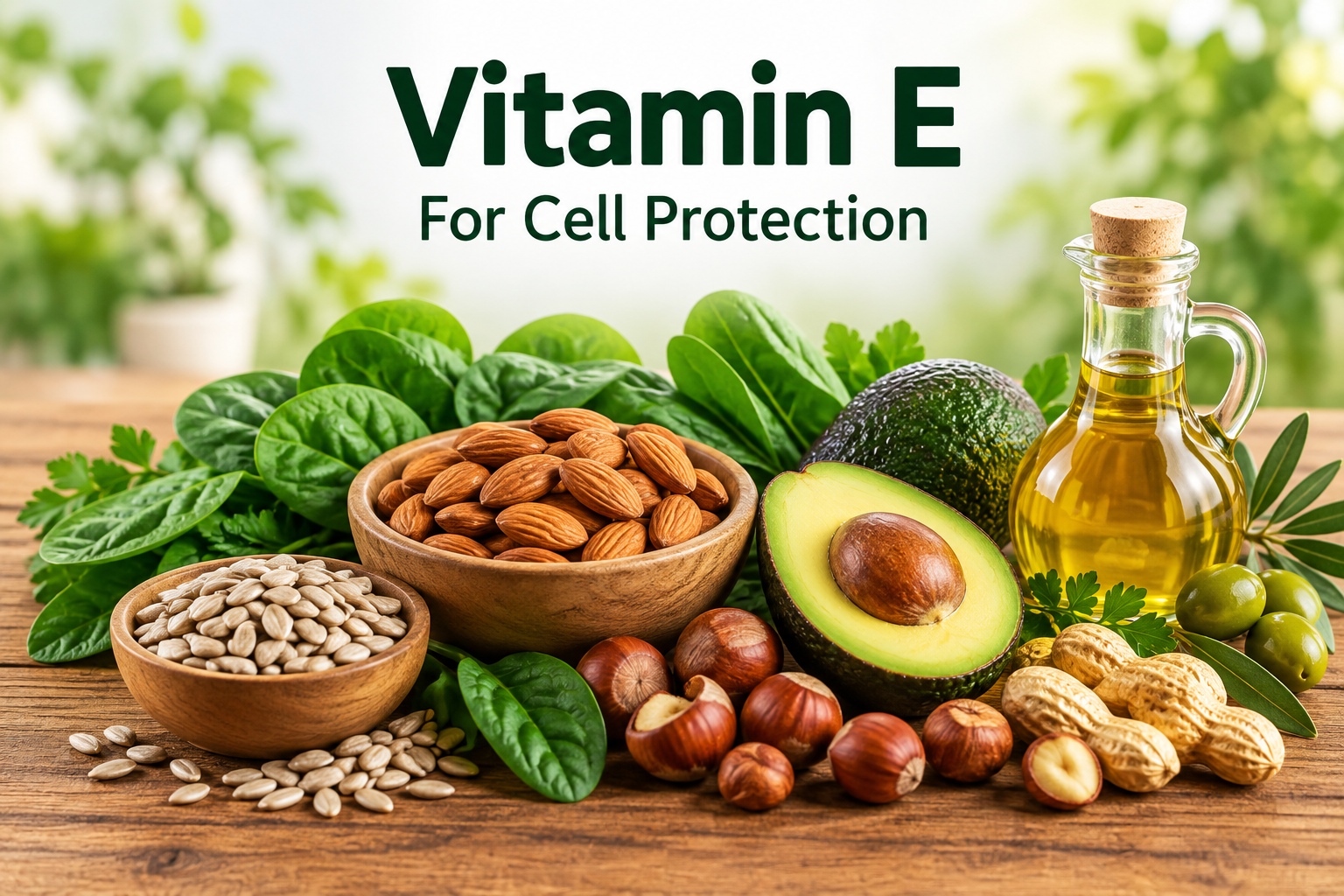
Vitamin E is an antioxidant that helps protect cells from oxidative damage and supports immune function.
Potassium is an essential mineral and electrolyte that supports normal muscle, nerve, and heart function.
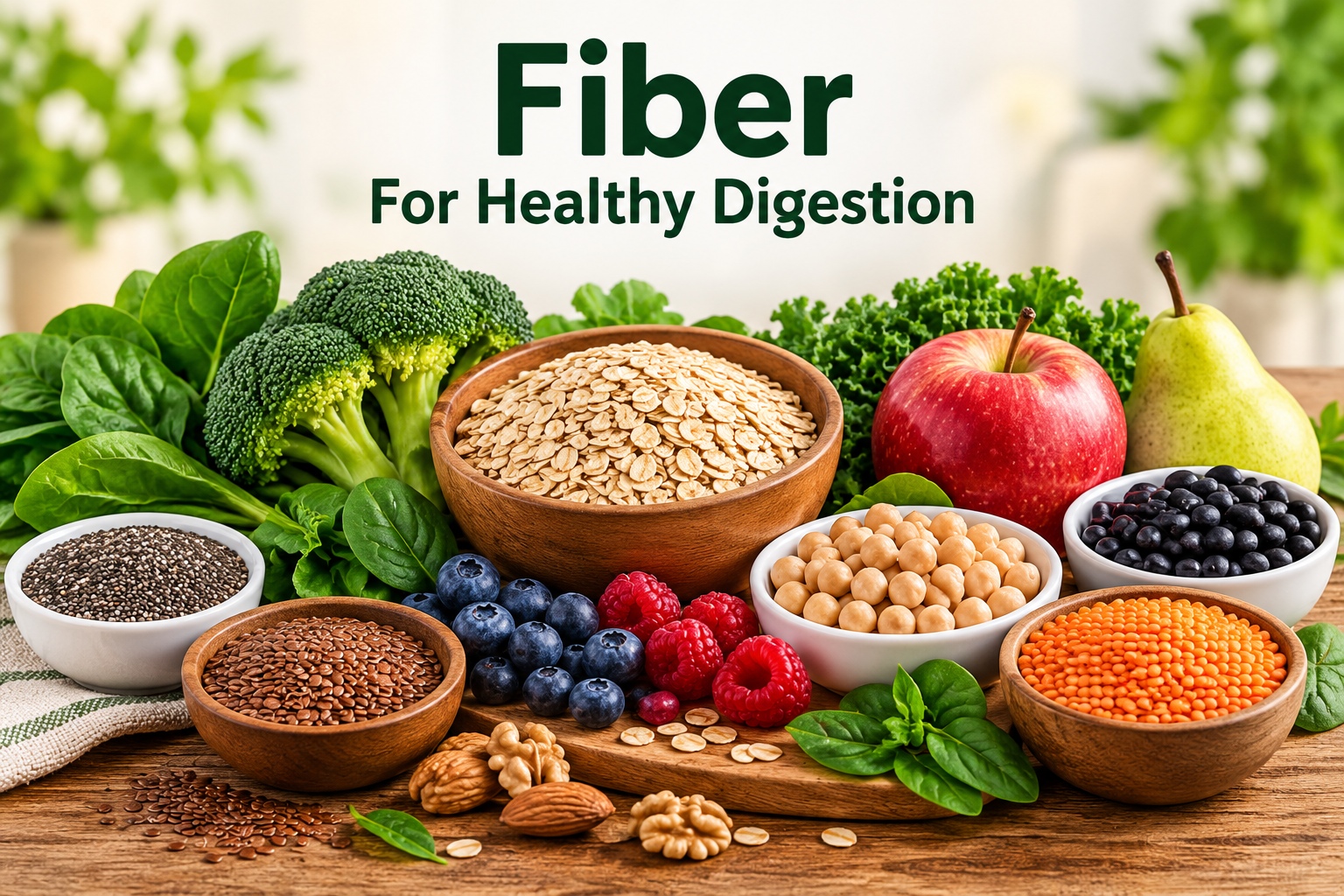
Dietary fiber is found mainly in plant foods and supports healthy digestion and regular bowel movements.
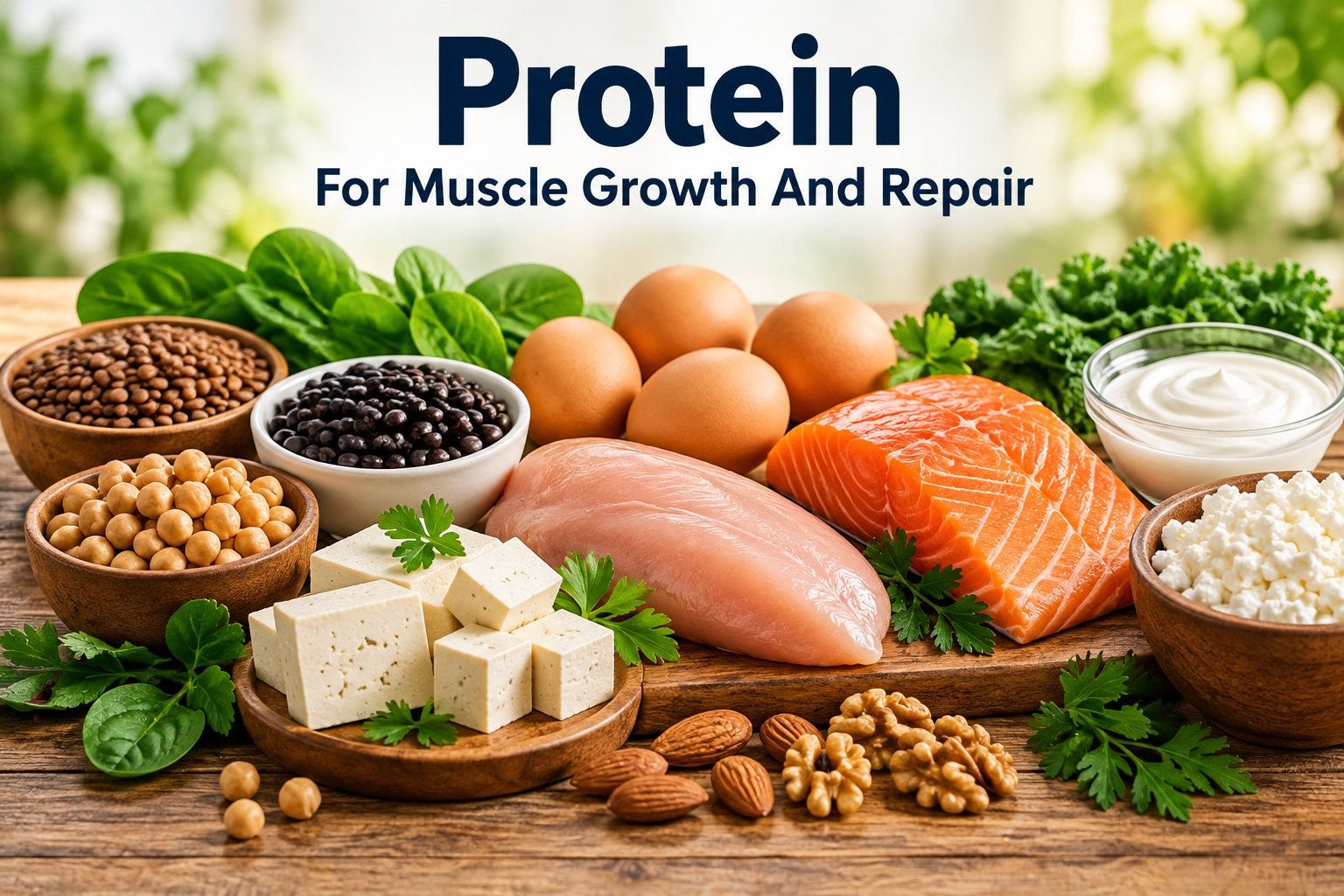
Protein is an essential macronutrient needed for muscle, tissue repair, enzymes, hormones, and many other functions.
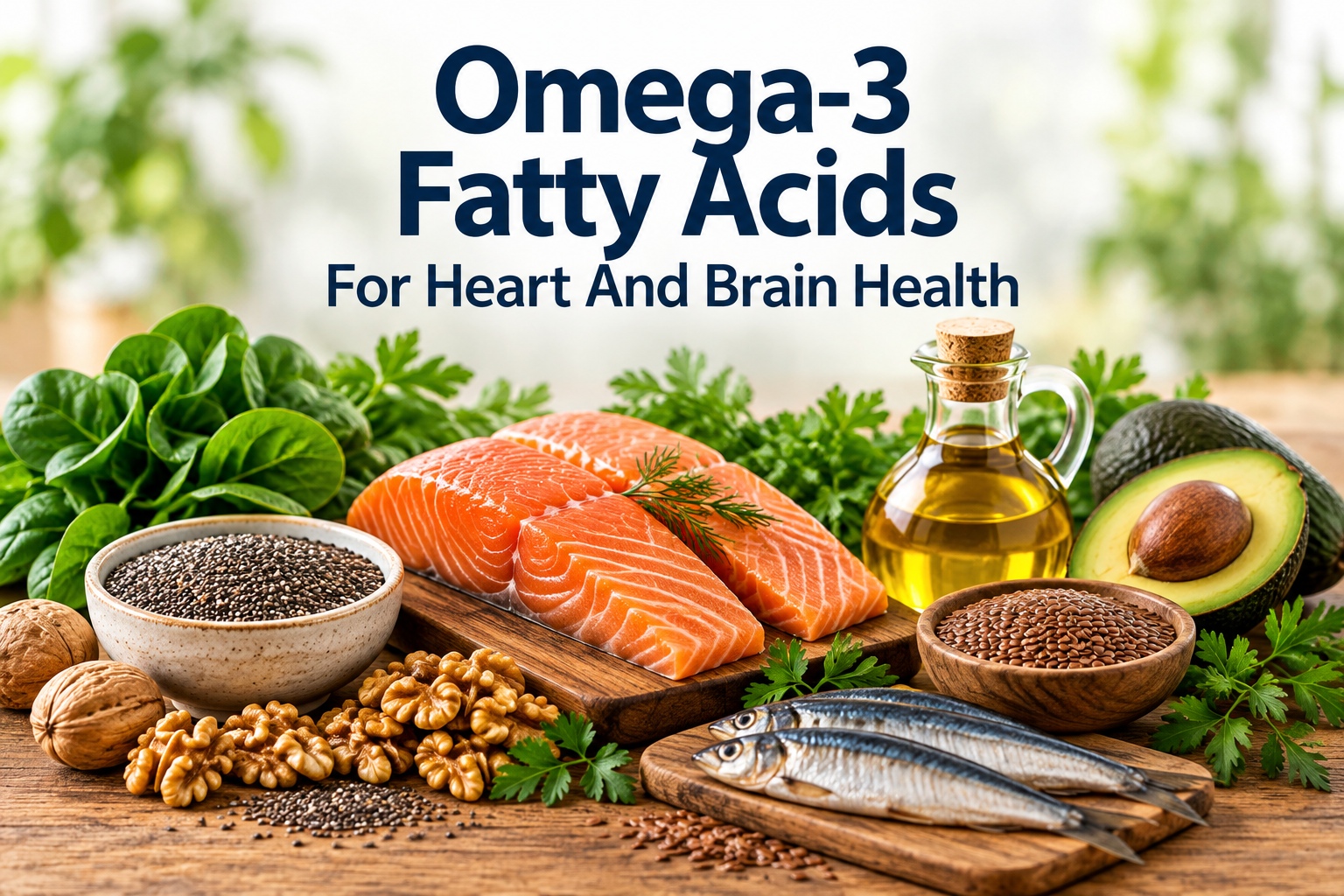
Omega-3 fatty acids are essential fats found in foods such as fatty fish, nuts, and seeds.
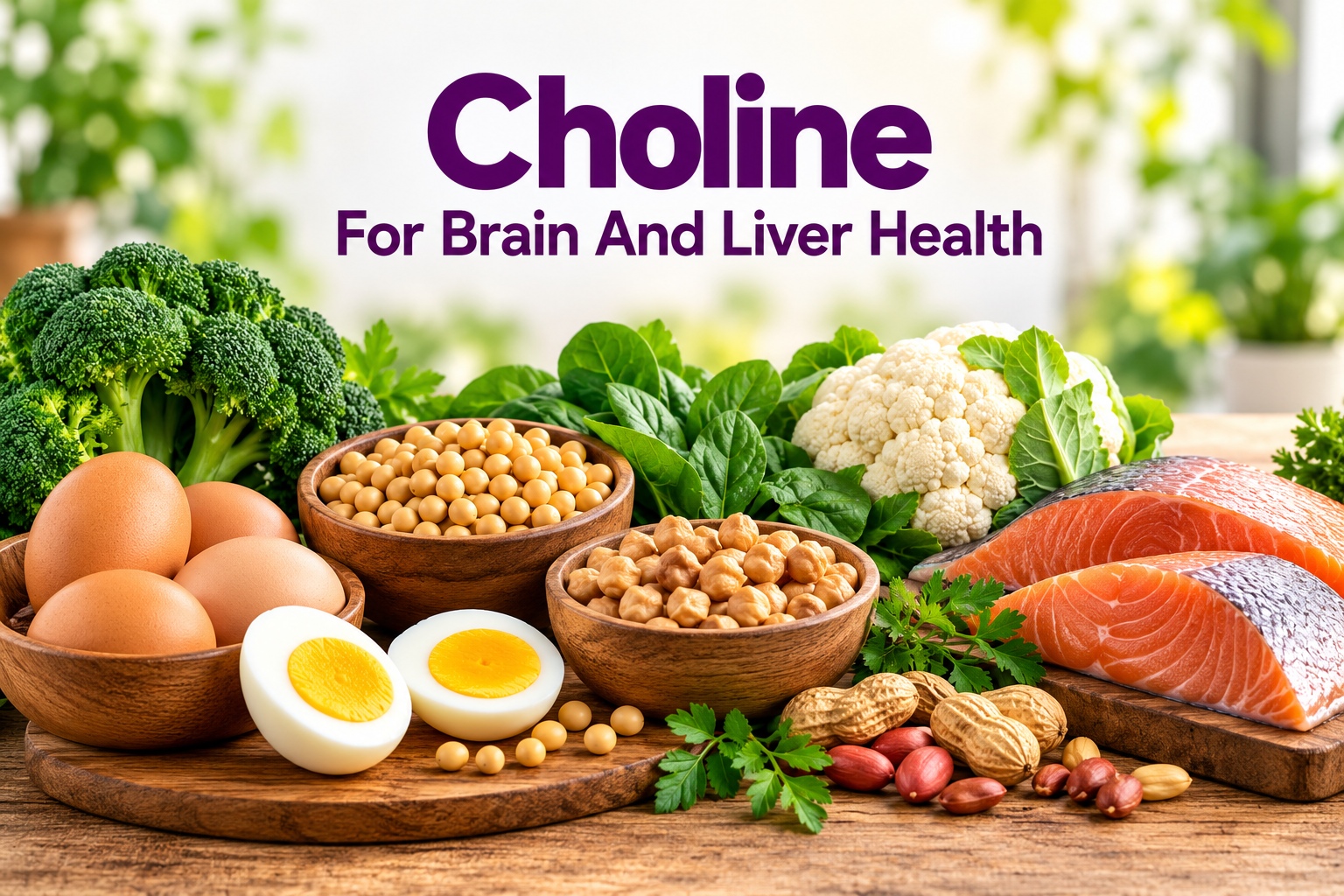
Choline is an essential nutrient involved in normal cell structure, neurotransmitter production, and fat metabolism.
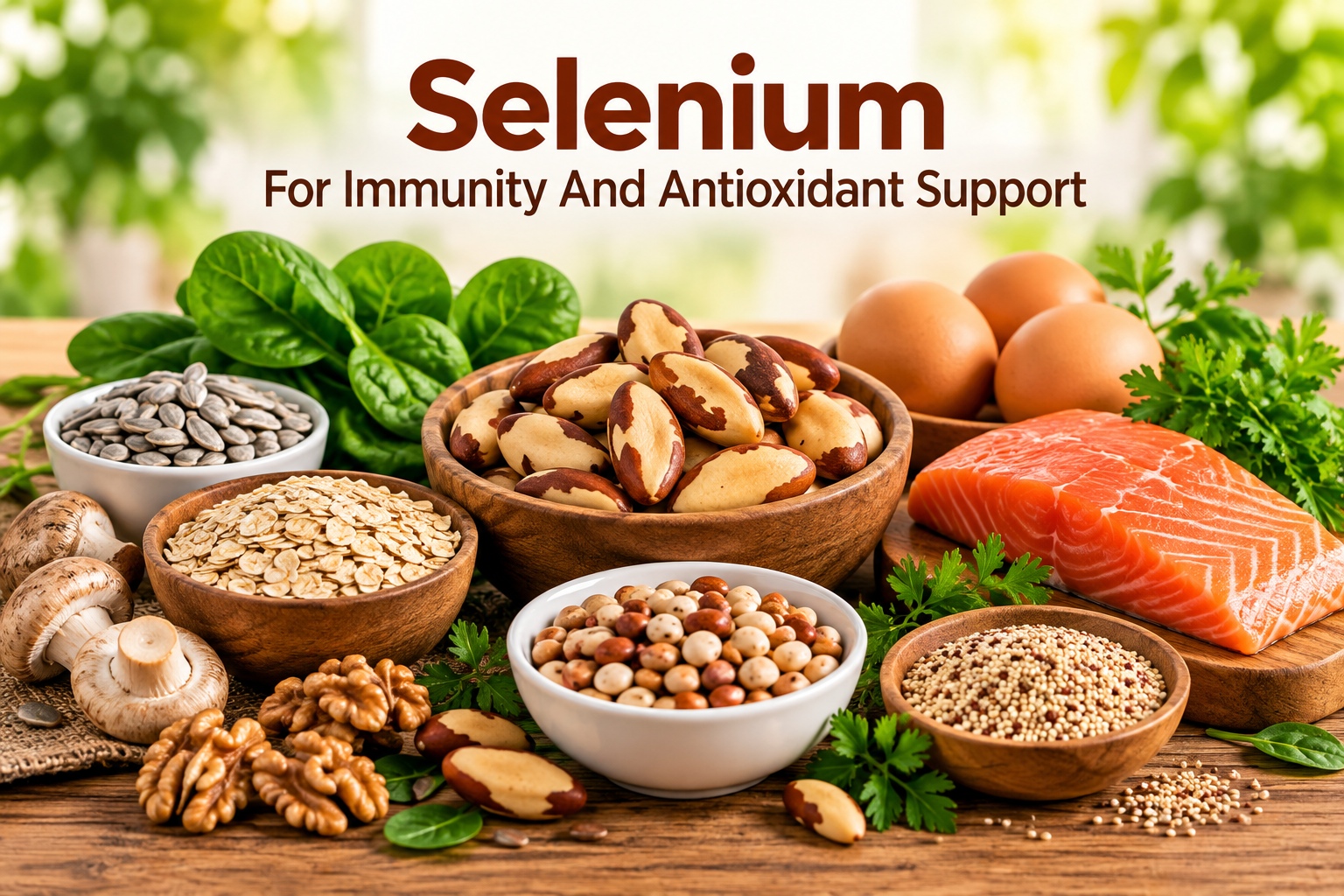
Selenium is an essential trace mineral that supports thyroid function, antioxidant protection, and immune function.
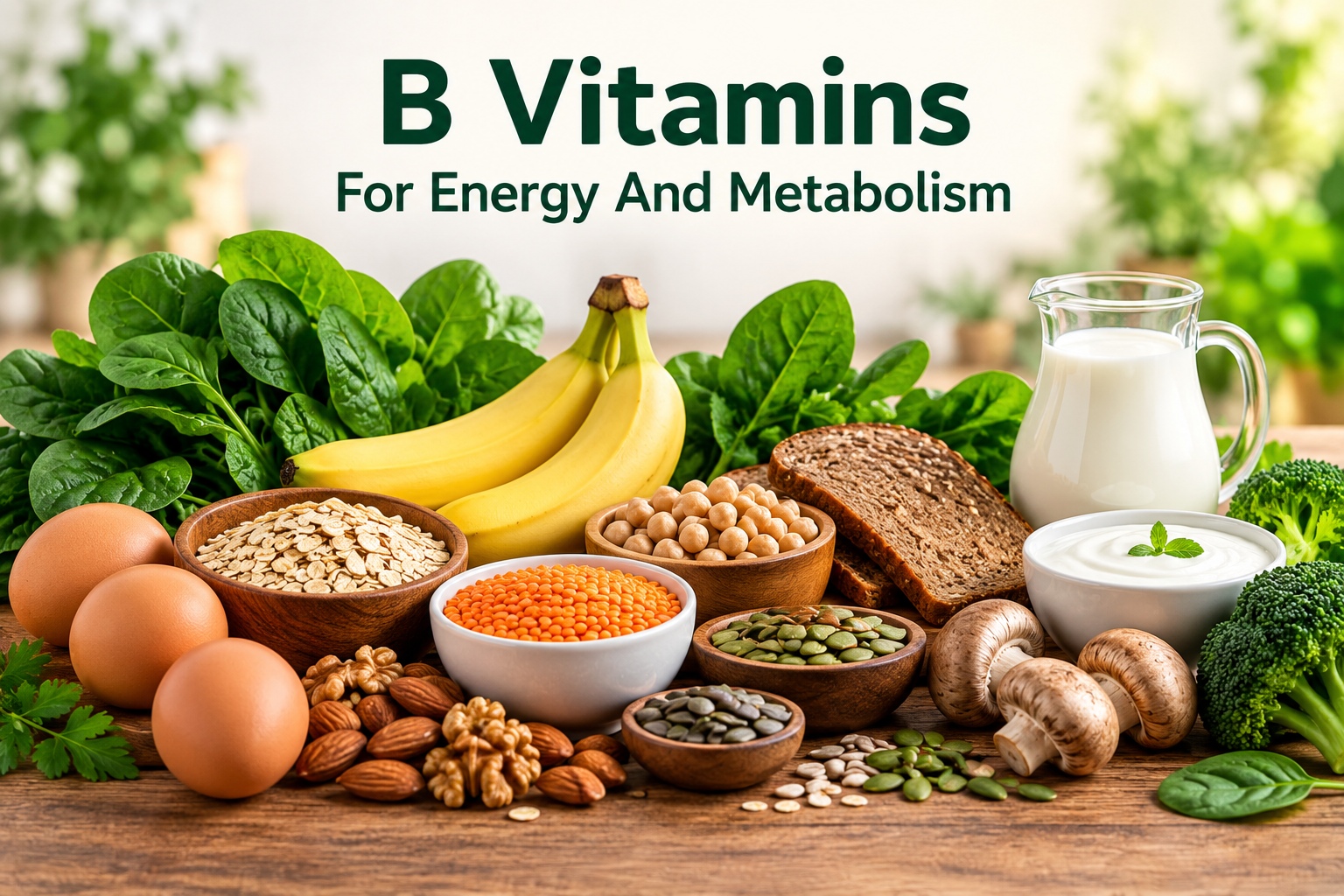
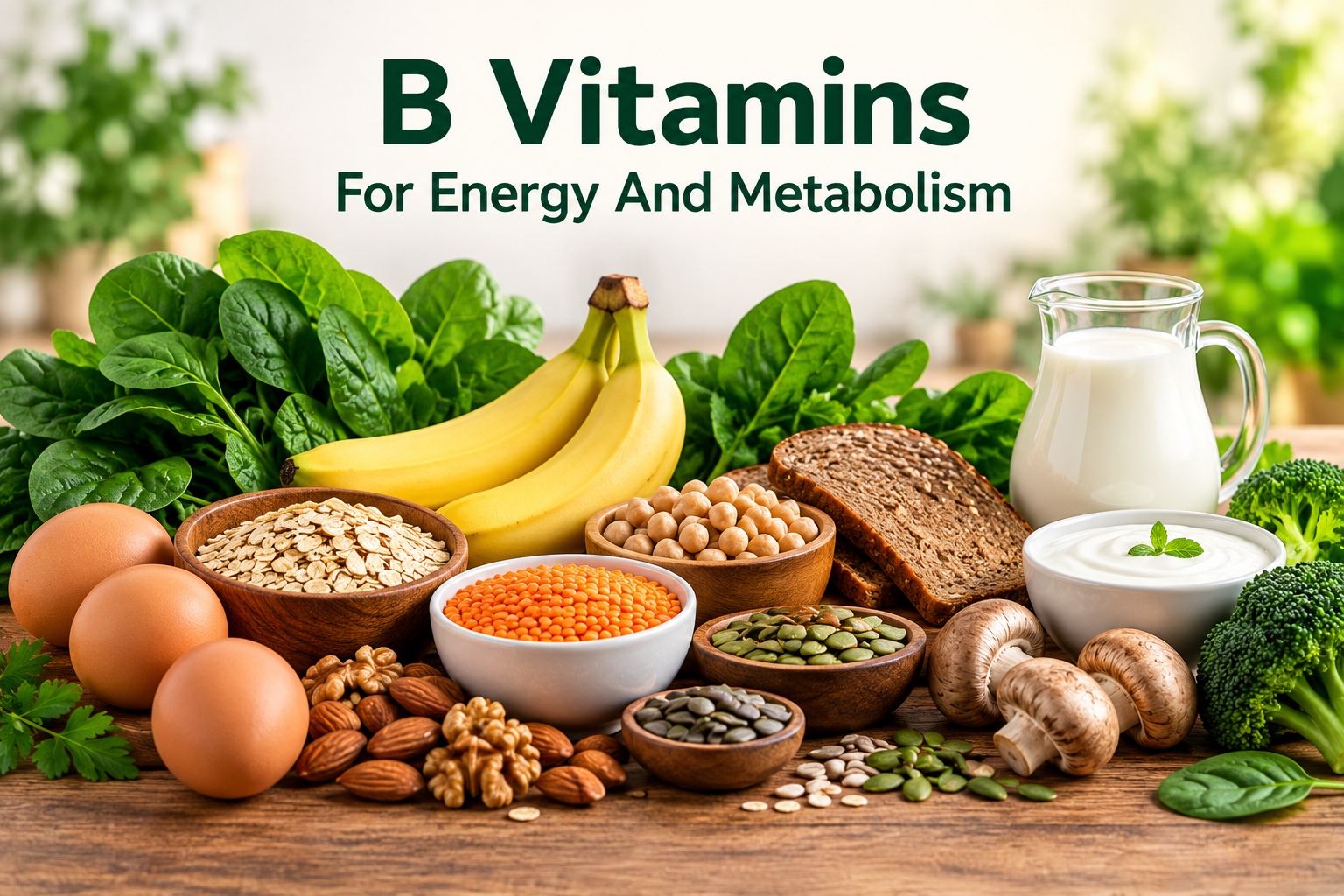
B vitamins are a group of essential vitamins that help support energy metabolism, nervous system function, and normal cell processes.
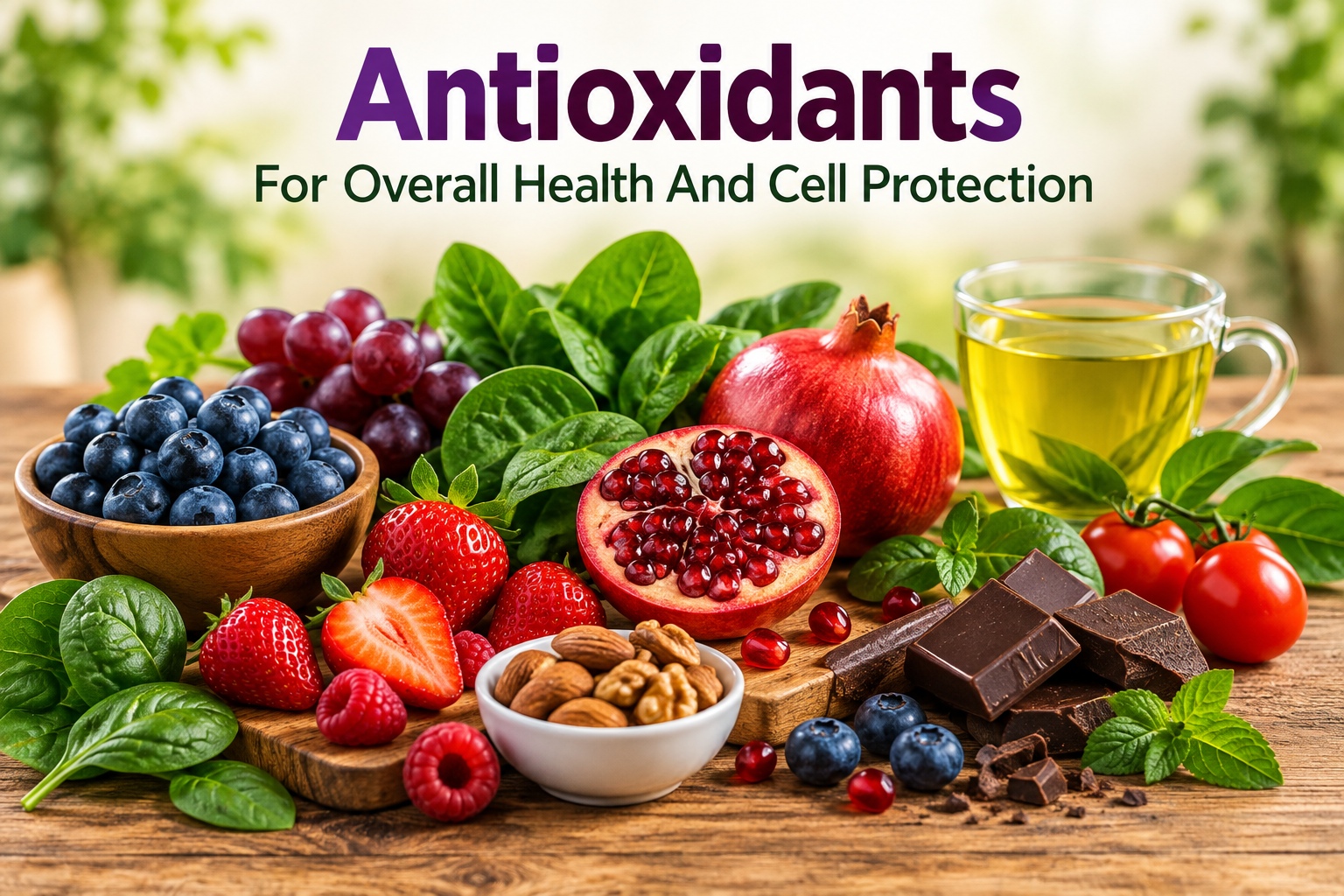
Antioxidants are compounds found in many plant foods that help protect cells from oxidative stress.
Explore Nutrition Connections
Understanding how nutrients relate to different foods and nutrition topics can help you explore a balanced and varied diet.
Explore foods and discover the nutrients they can contribute to your diet.
Explore Foods →Learn about nutrition-related information connected with common symptoms and nutritional needs.
Explore Symptoms →Discover recipes made with nutritious ingredients and explore practical ways to include a variety of foods in meals.
Explore Recipes →Read nutrition articles and practical guides about foods, nutrients, healthy eating, and related nutrition topics.
Explore Nutrition Articles →NutriCompass provides general nutrition information for educational purposes. Nutritional needs can vary between individuals. Information on this website should not be used to diagnose, treat, or prevent a medical condition. Speak with a qualified healthcare professional for personalized advice.