🥗
Loading NutriCompass
Preparing your nutrition information...
Preparing your nutrition information...
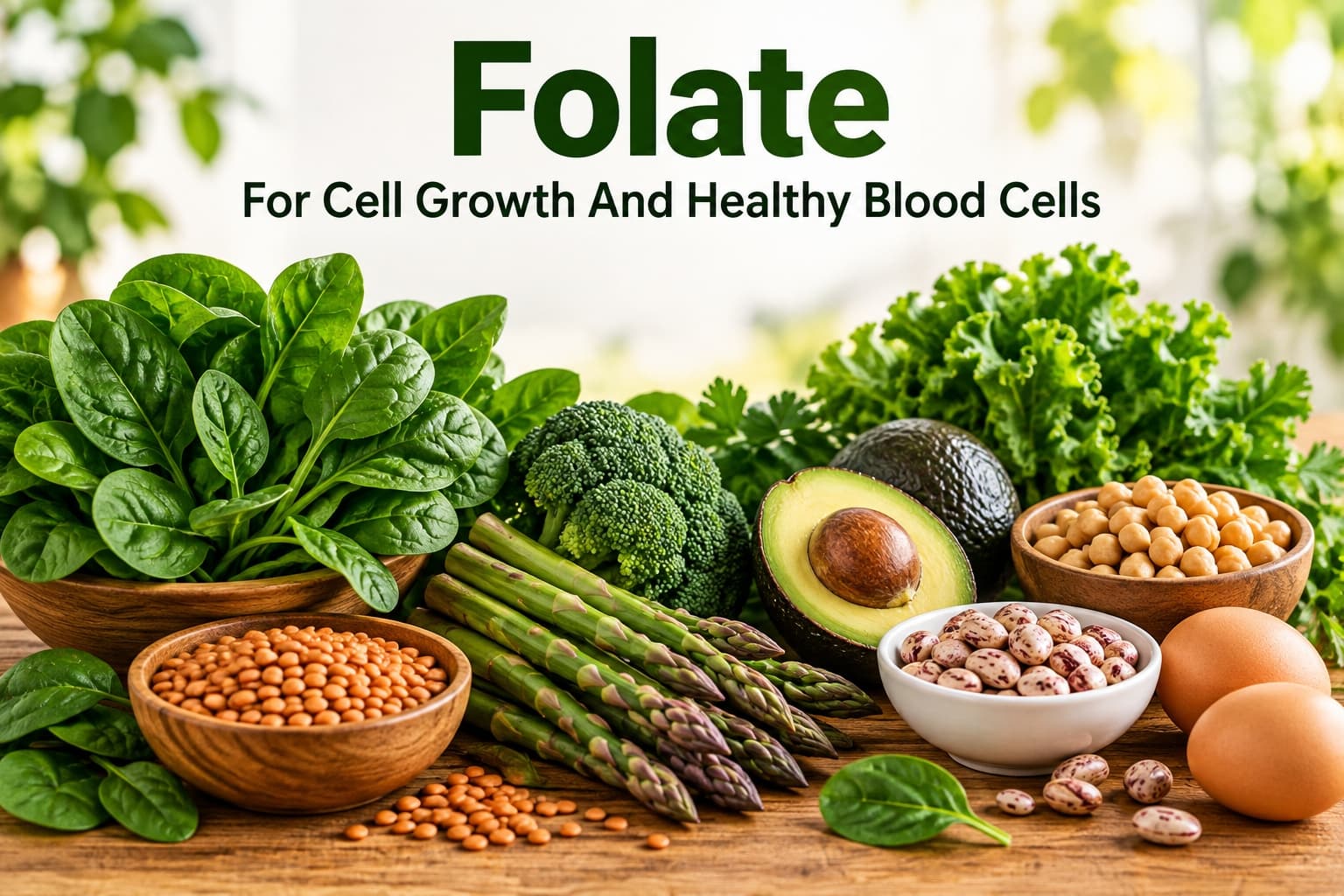
Folate is a B vitamin that supports DNA formation, cell division, and normal red blood cell production.
A quick look at the key nutrition information for Folate.
400 mcg DFE For Adults
7 Food Sources
4 Key Benefits
4 Symptoms
How Folate supports normal health and nutrition.
Supports Cell Division
Supports DNA Formation
Supports Red Blood Cell Formation
Supports Normal Tissue Growth
Explore foods that can provide Folate.
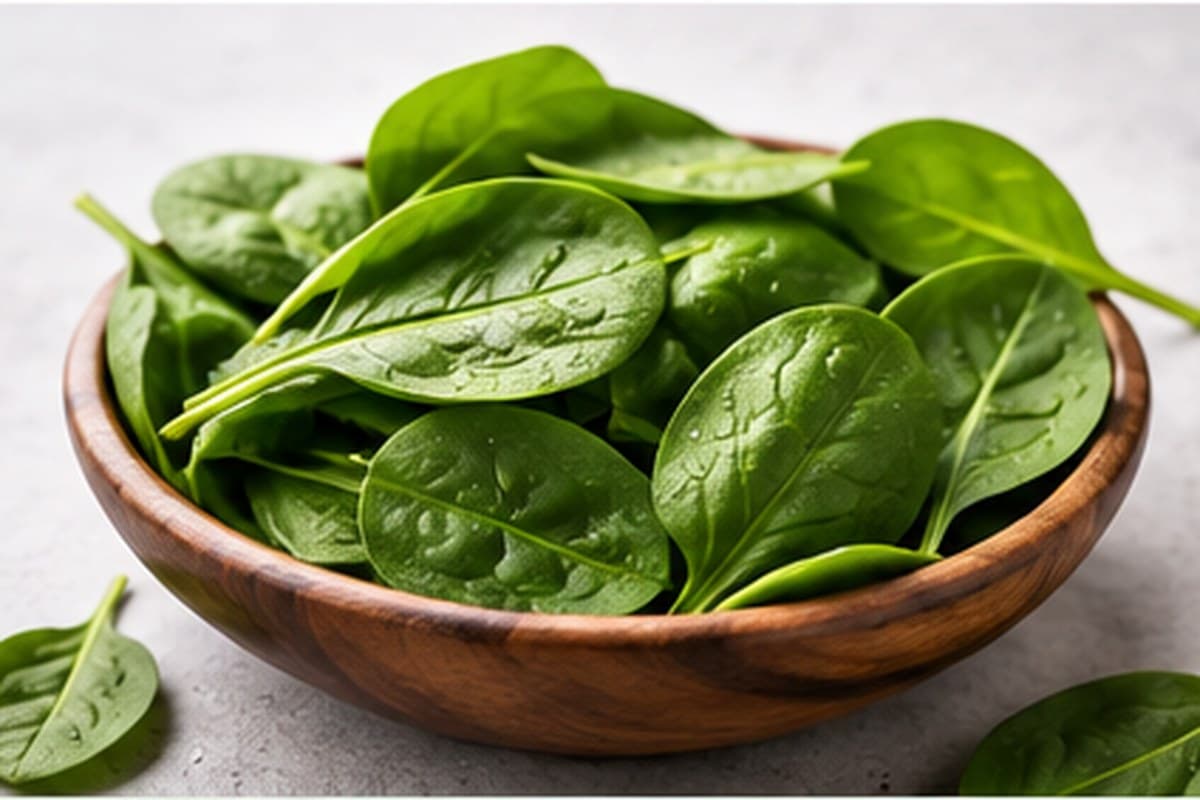
Spinach is a nutrient-rich leafy green vegetable that provides iron, vitamin C, folate, and other nutrients.
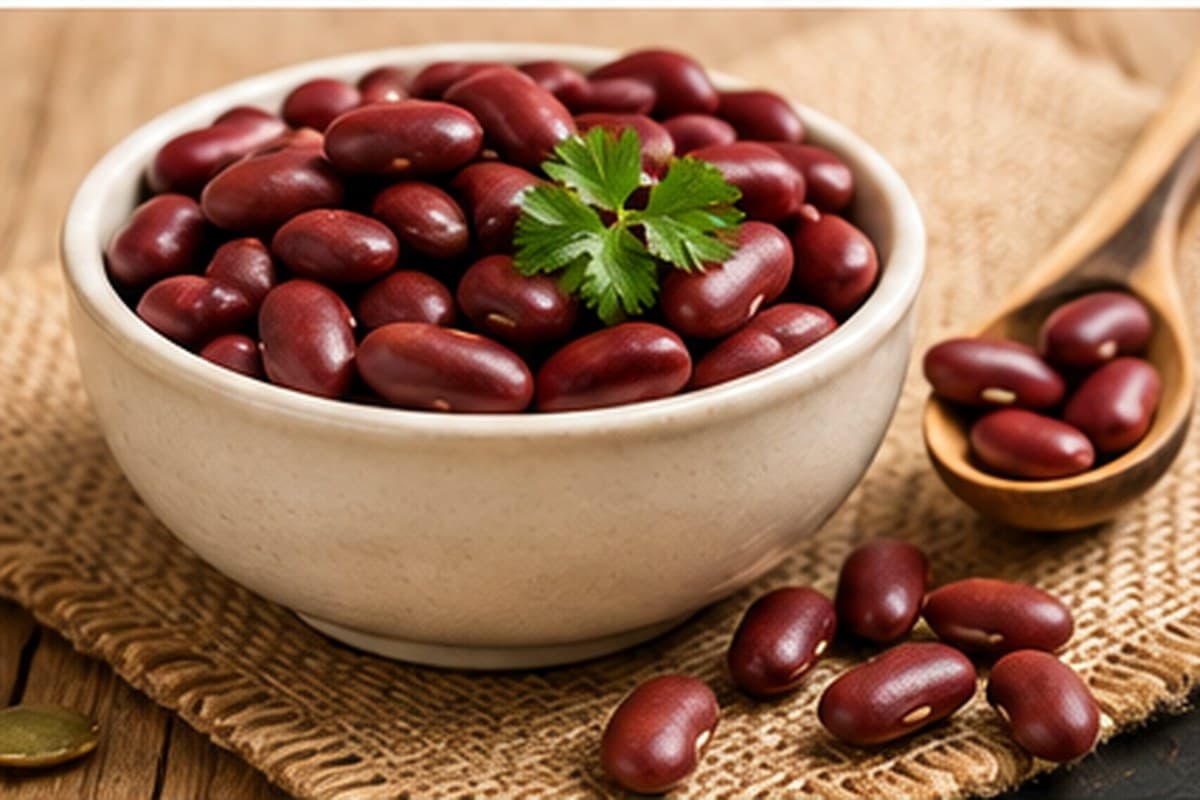
Beans provide plant-based iron, fiber, folate, protein, and other nutrients that can contribute to a balanced diet.
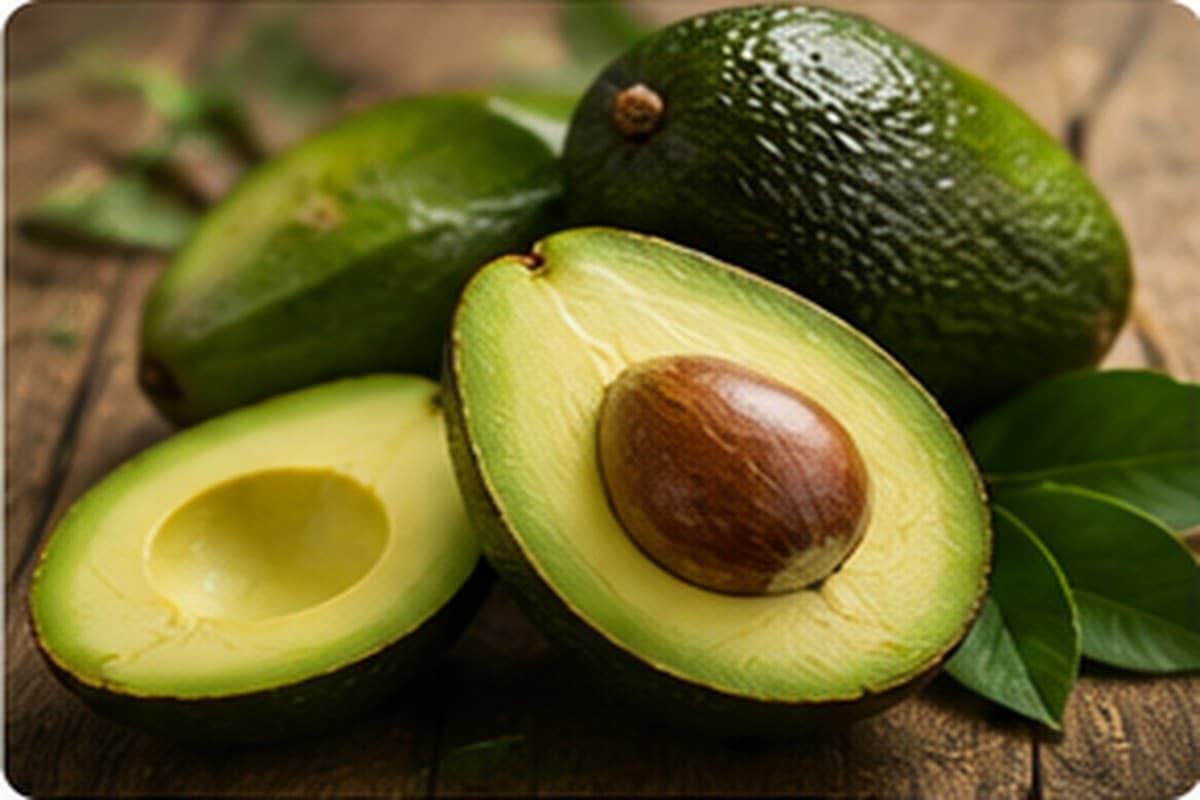
Avocado provides fiber, folate, potassium, vitamin E, and mostly unsaturated fats.
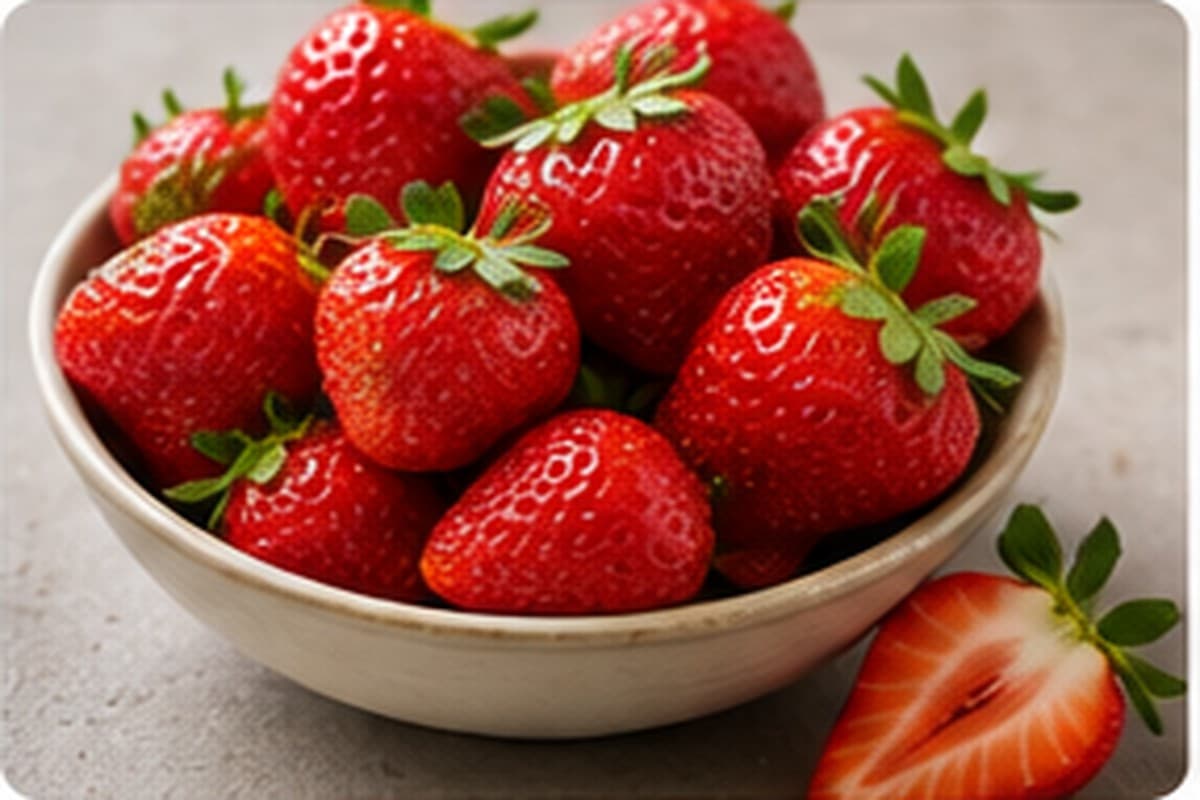
Strawberries provide vitamin C, fiber, folate, and other nutrients while adding variety to a balanced diet.
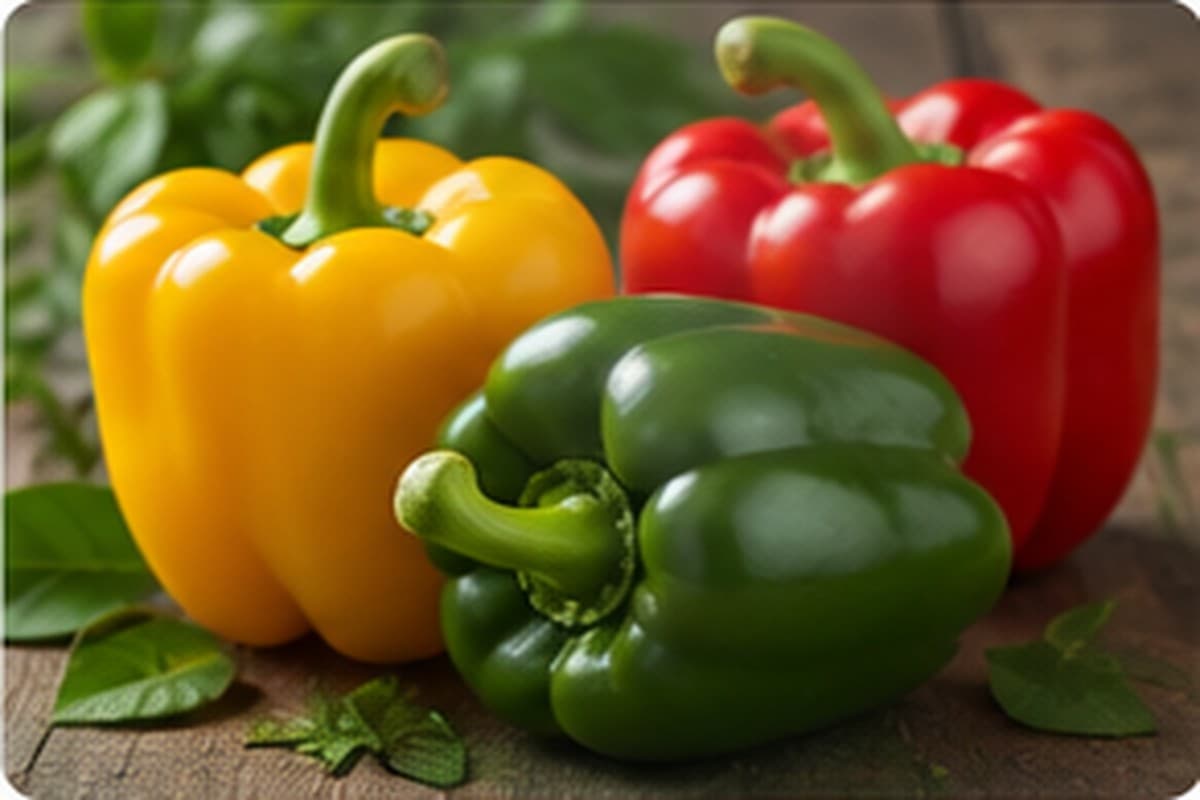
Bell peppers are rich in vitamin C and also provide vitamin A, folate, and other nutrients.
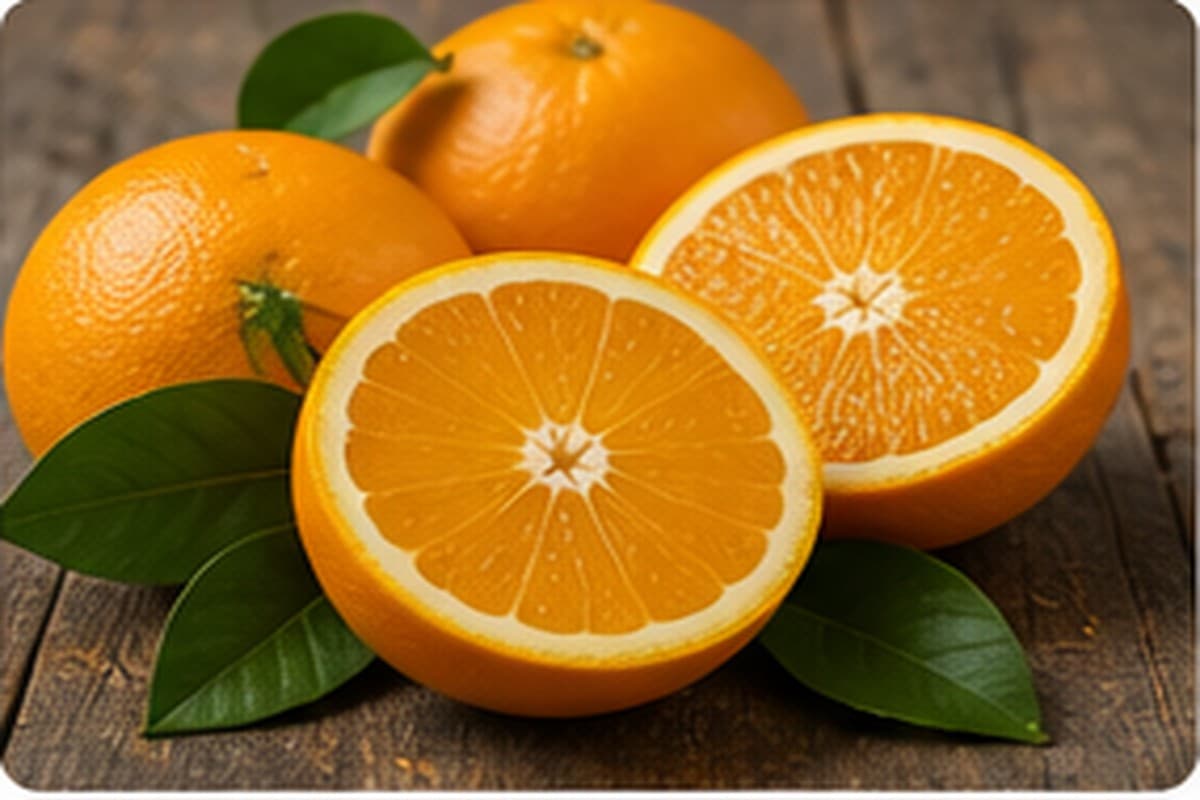
Oranges provide vitamin C, fiber, folate, and other nutrients and can be part of a balanced diet.
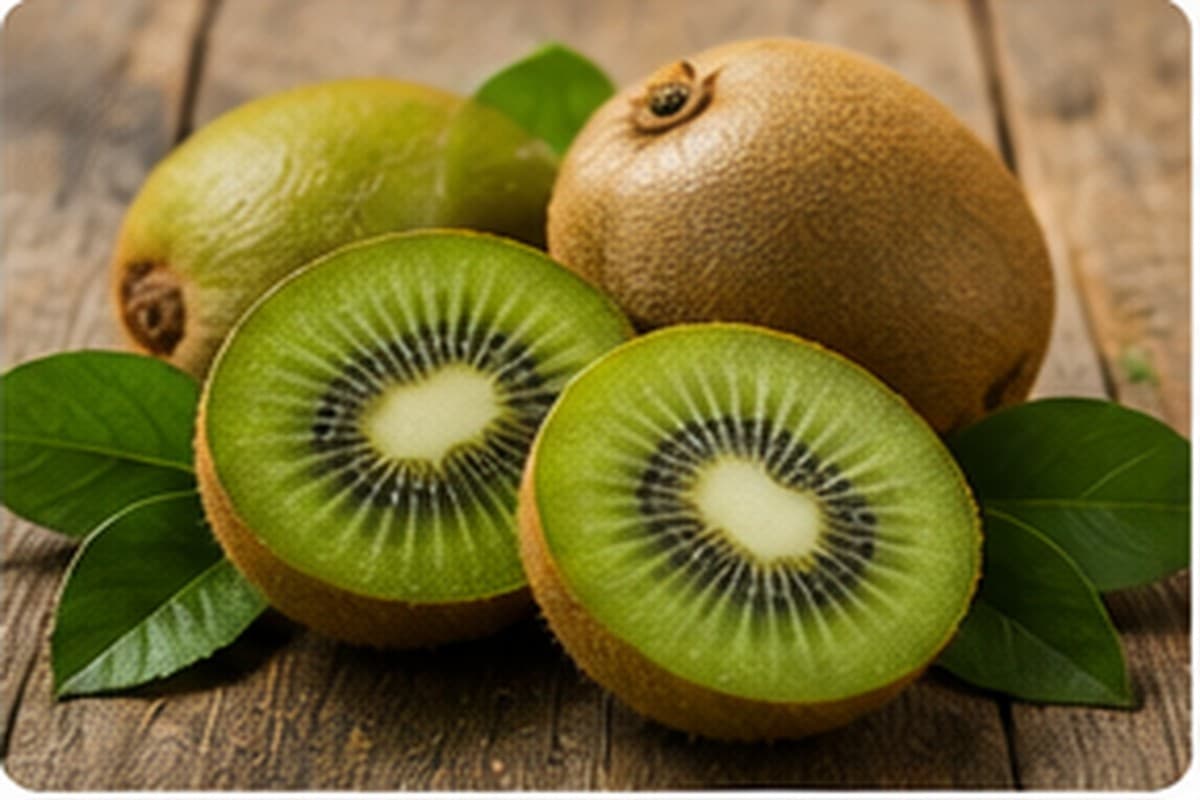
Kiwi is a nutrient-rich fruit that provides vitamin C, fiber, folate, and other nutrients.
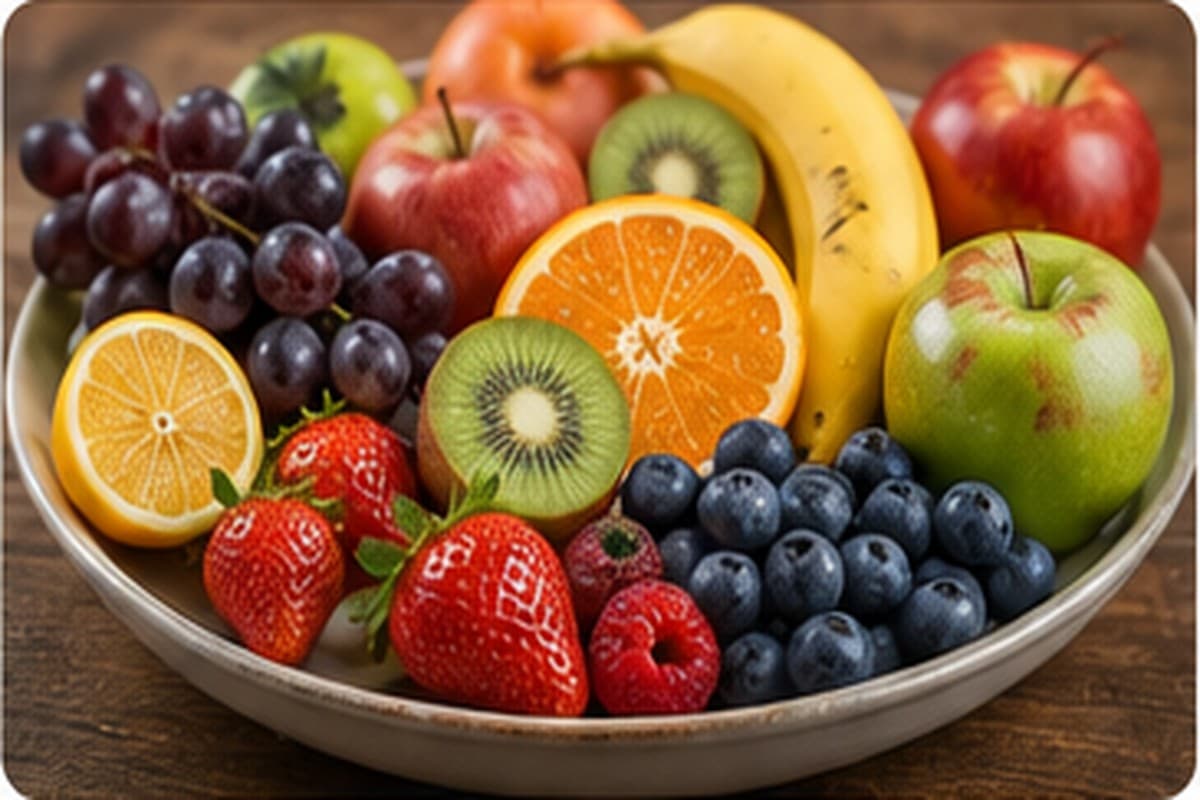
A variety of fruits can provide fiber, vitamins, minerals, and naturally occurring plant compounds.
Symptoms that may be associated with inadequate Folate intake.
400 mcg DFE For Adults
Individual requirements can vary based on age, sex, life stage, and other factors.
Discover recipes that provide Folate.

A simple protein-rich omelette made with spinach and eggs, providing iron, protein, vitamin B12, and folate.
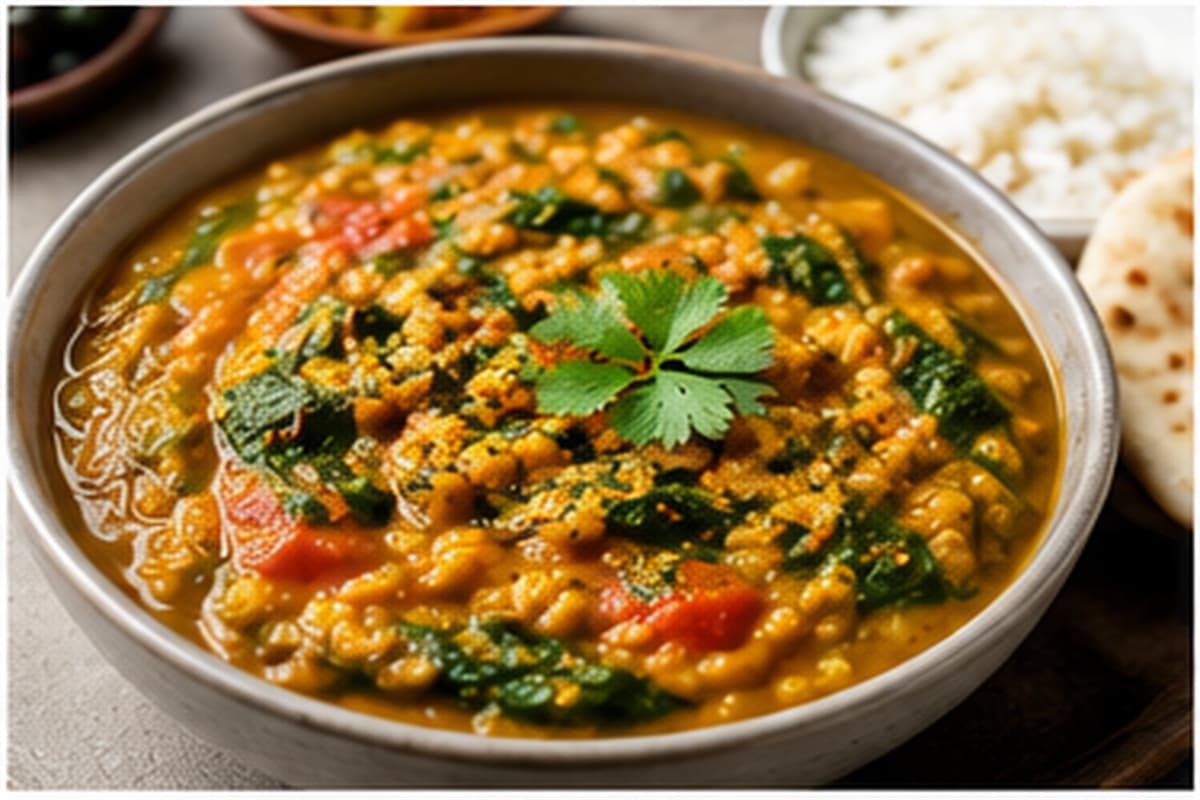
A nutritious combination of lentils and spinach providing plant-based iron, protein, fiber, and folate.
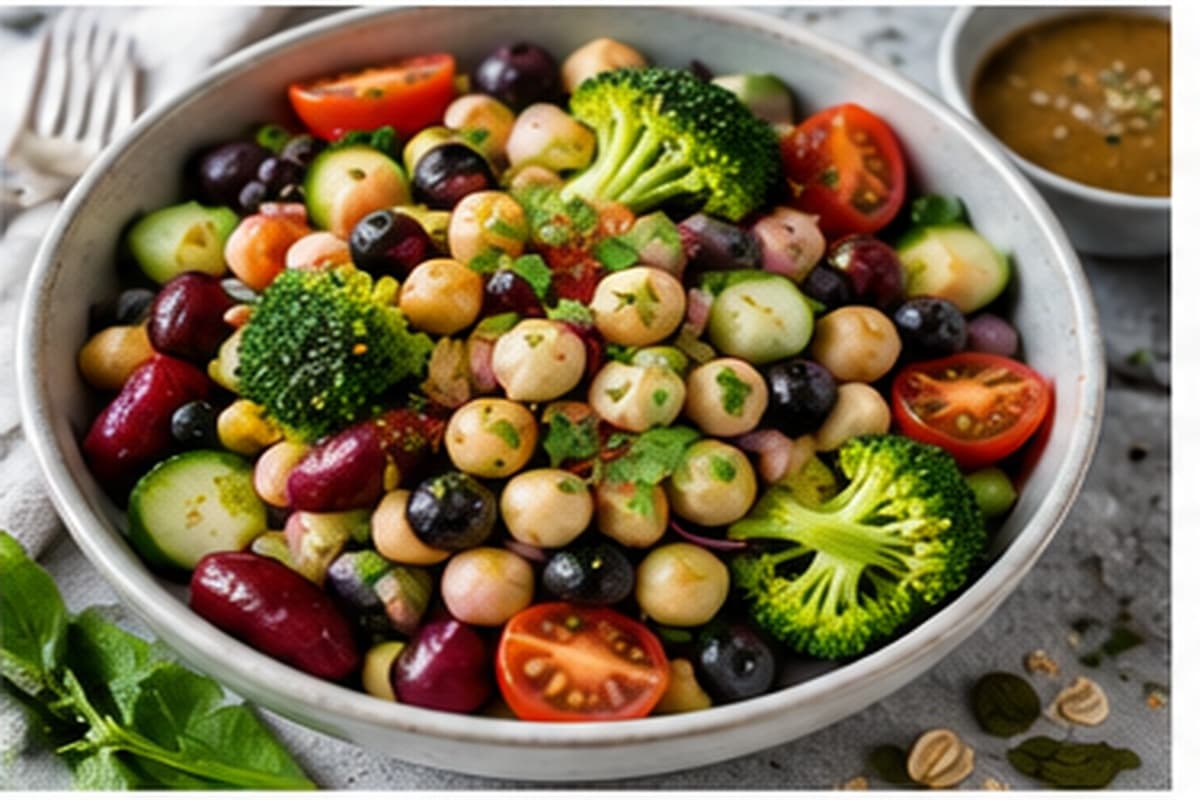
A fresh bean salad combining beans and vegetables for iron, fiber, folate, and vitamin C.
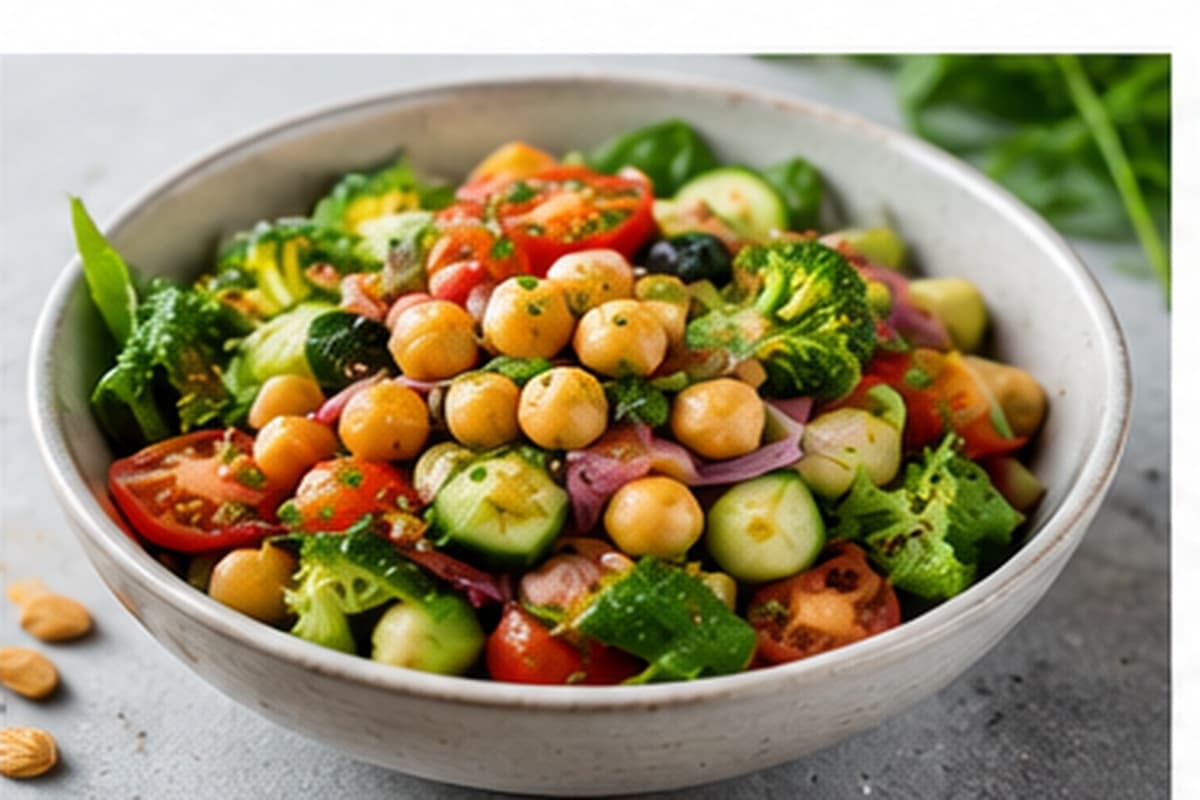
A refreshing chickpea and vegetable salad providing plant protein, fiber, folate, and vitamin C.
Explore nutrition-related topics connected with Folate.
Explore nutrition guides related to Folate, its food sources, benefits, and related nutrition topics.
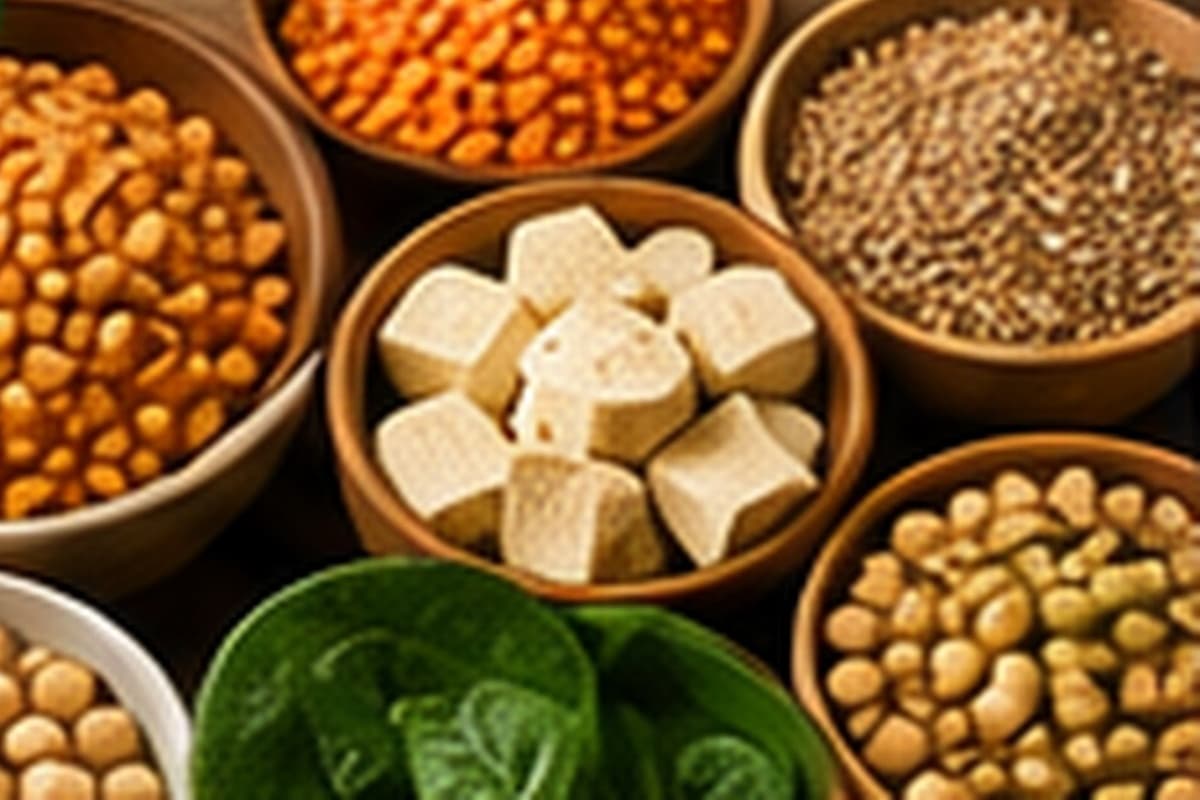
Discover iron-rich foods for vegetarians, including lentils, beans, spinach, pumpkin seeds, oats, and quinoa, plus tips for supporting iron absorption.
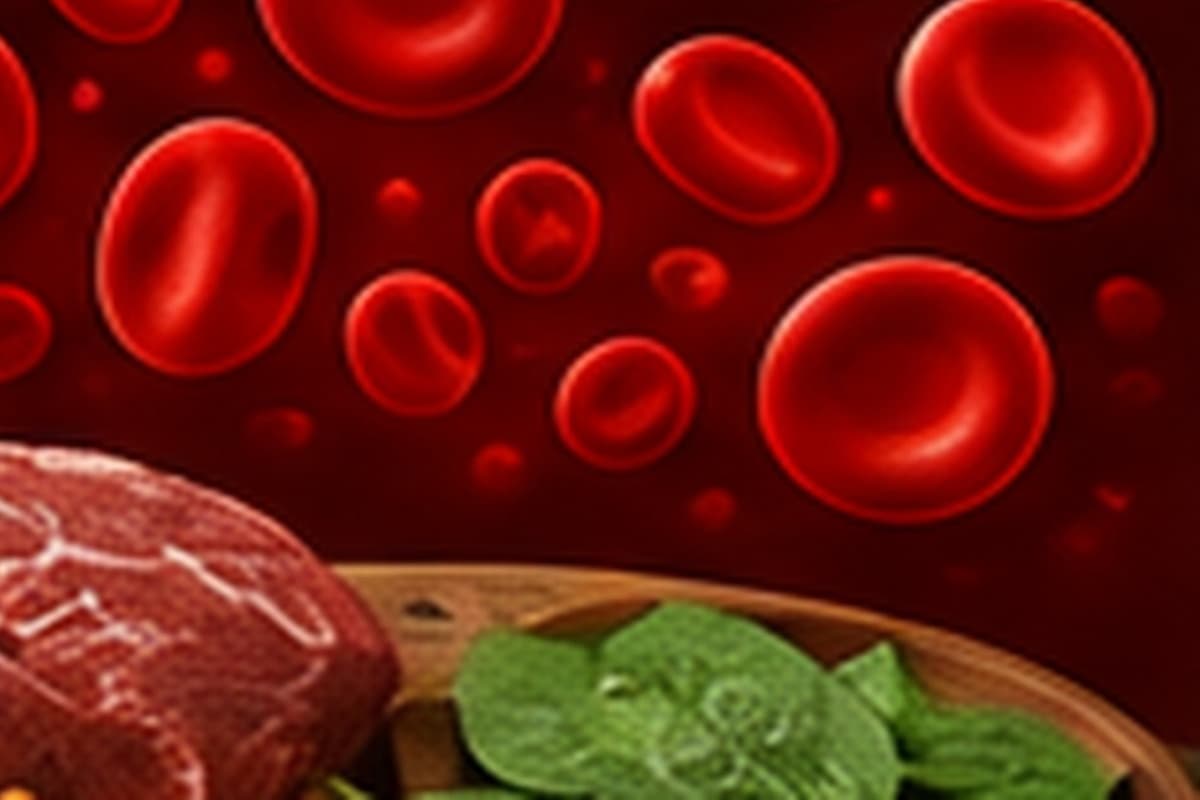
Learn how iron deficiency can be related to low hemoglobin and explore nutrients and foods that support healthy red blood cell production.
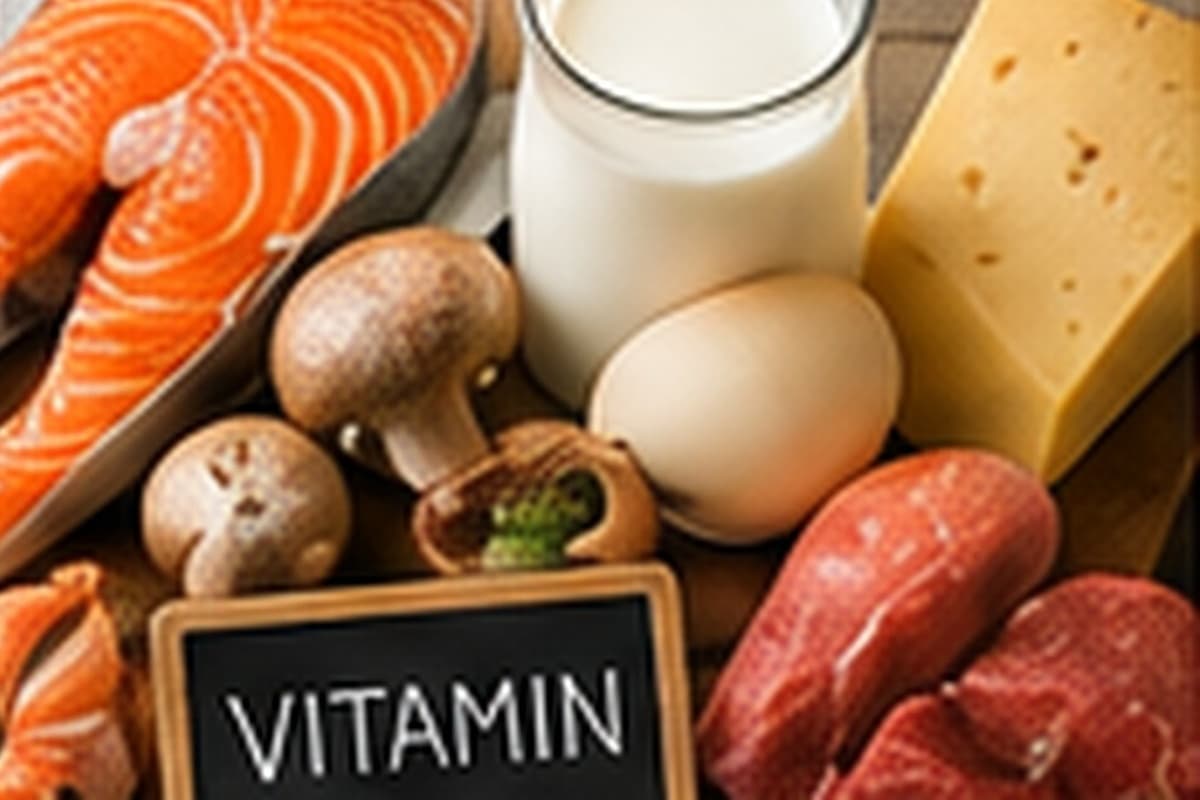
Discover vitamin B12-rich foods including eggs, milk, yogurt, cheese, fish, salmon, and lean red meat that can contribute to dietary vitamin B12 intake.

Learn about common symptoms associated with vitamin B12 deficiency, including fatigue, weakness, numbness, and memory problems.
Learn about vitamin B12-rich foods including eggs, milk, yogurt, fish, salmon, lean red meat, cheese, and other food sources.
Explore iron-rich foods including lean red meat, lentils, beans, spinach, pumpkin seeds, oats, quinoa, and other foods that can contribute to dietary iron intake.
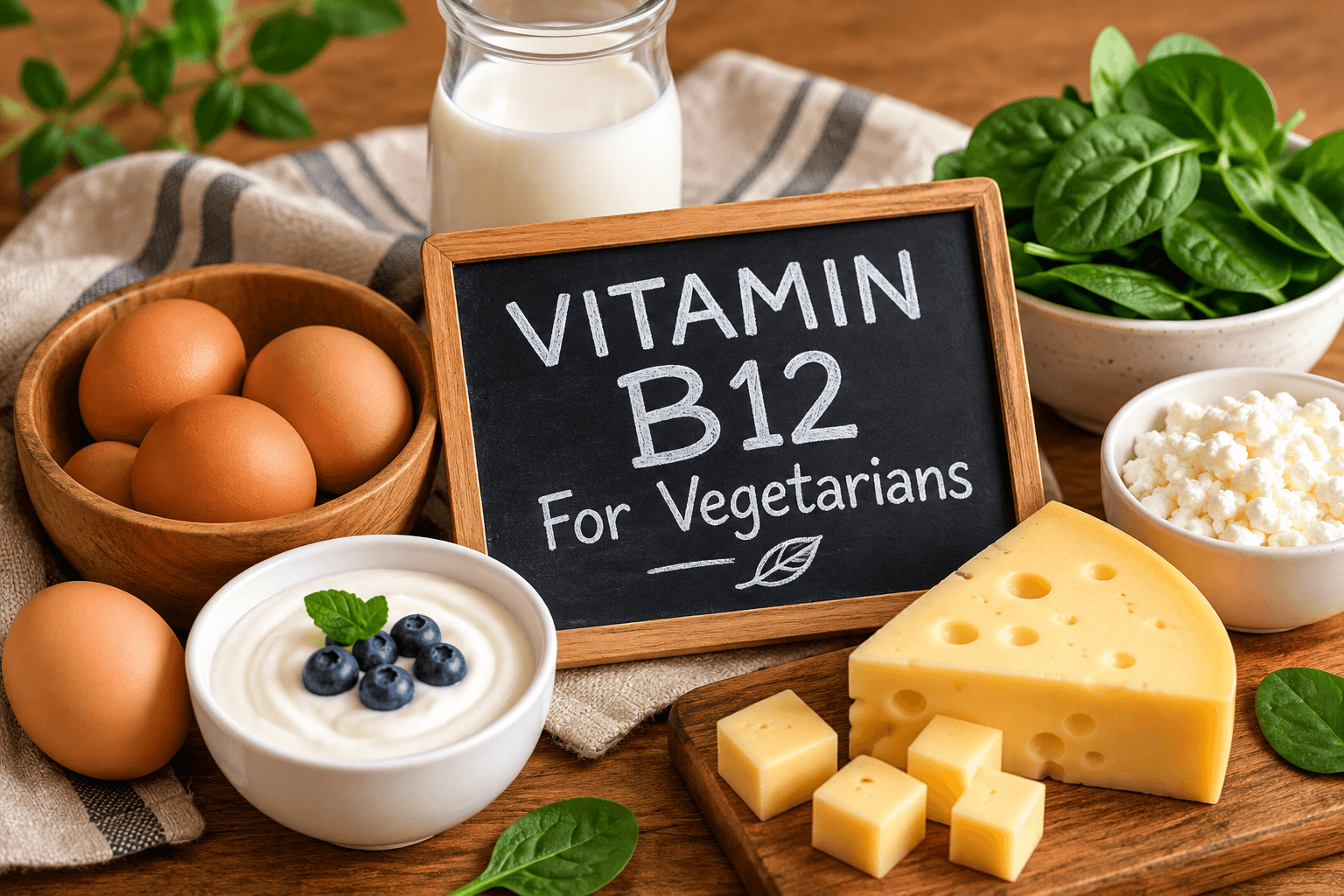
Discover vitamin B12 foods for vegetarians, including milk, yogurt, cheese, eggs, and fortified foods, plus practical tips for meeting B12 needs.
NutriCompass provides general nutrition information for educational purposes. Nutrient requirements can vary between individuals, and this information should not be used to diagnose or treat a medical condition. Speak with a qualified healthcare professional for personalized advice.