🥗
Loading NutriCompass
Preparing your nutrition information...
Preparing your nutrition information...
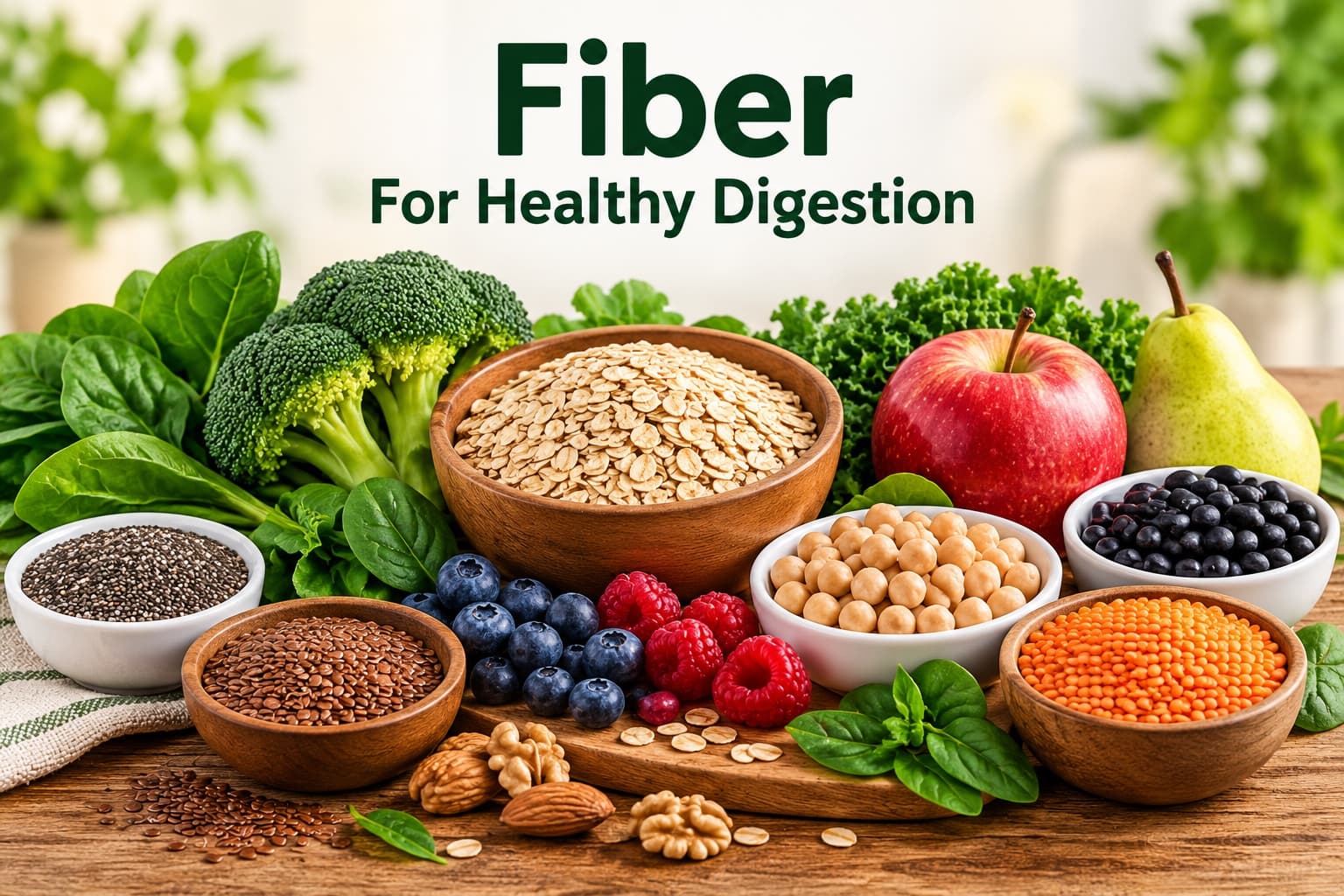
Dietary fiber is found mainly in plant foods and supports healthy digestion and regular bowel movements.
A quick look at the key nutrition information for Fiber.
About 25–38 g For Adults
10 Food Sources
4 Key Benefits
3 Symptoms
How Fiber supports normal health and nutrition.
Supports Healthy Digestion
Supports Regular Bowel Movements
Helps Increase Satiety
Supports A Balanced Diet
Explore foods that can provide Fiber.
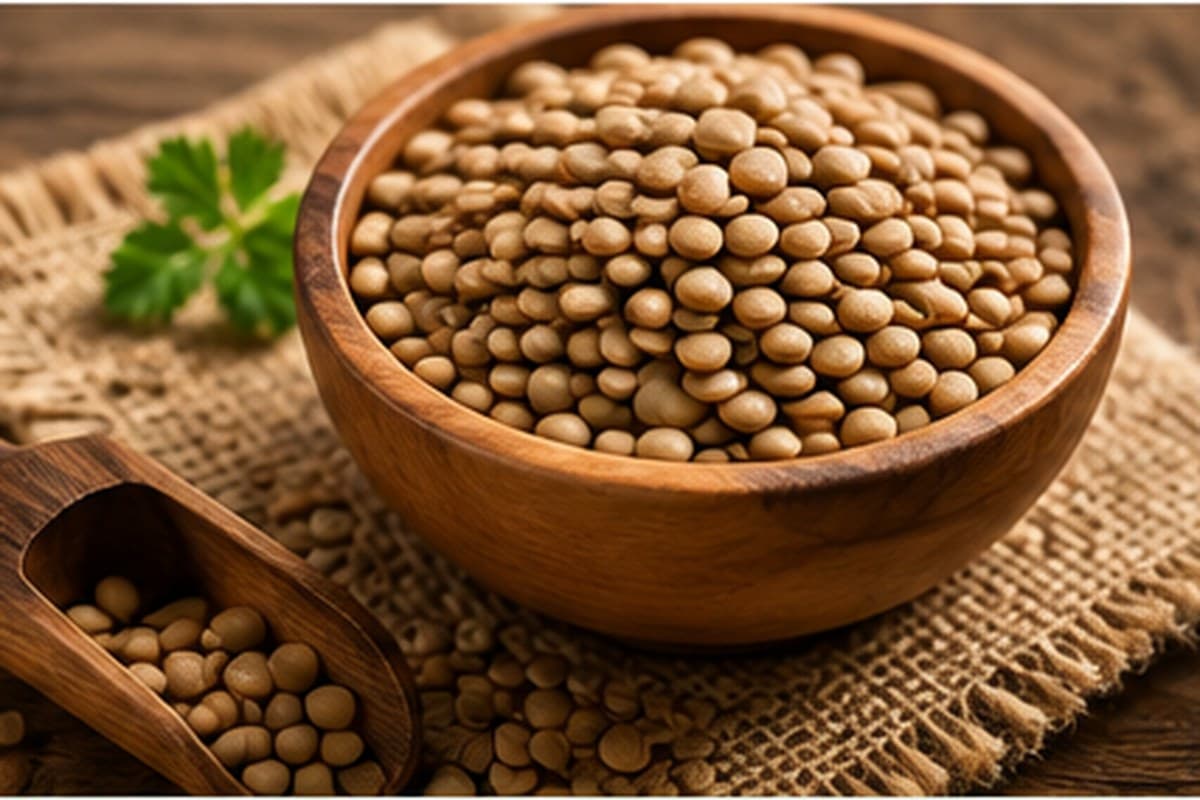
Lentils are nutritious legumes that provide plant-based protein, iron, fiber, and other essential nutrients.
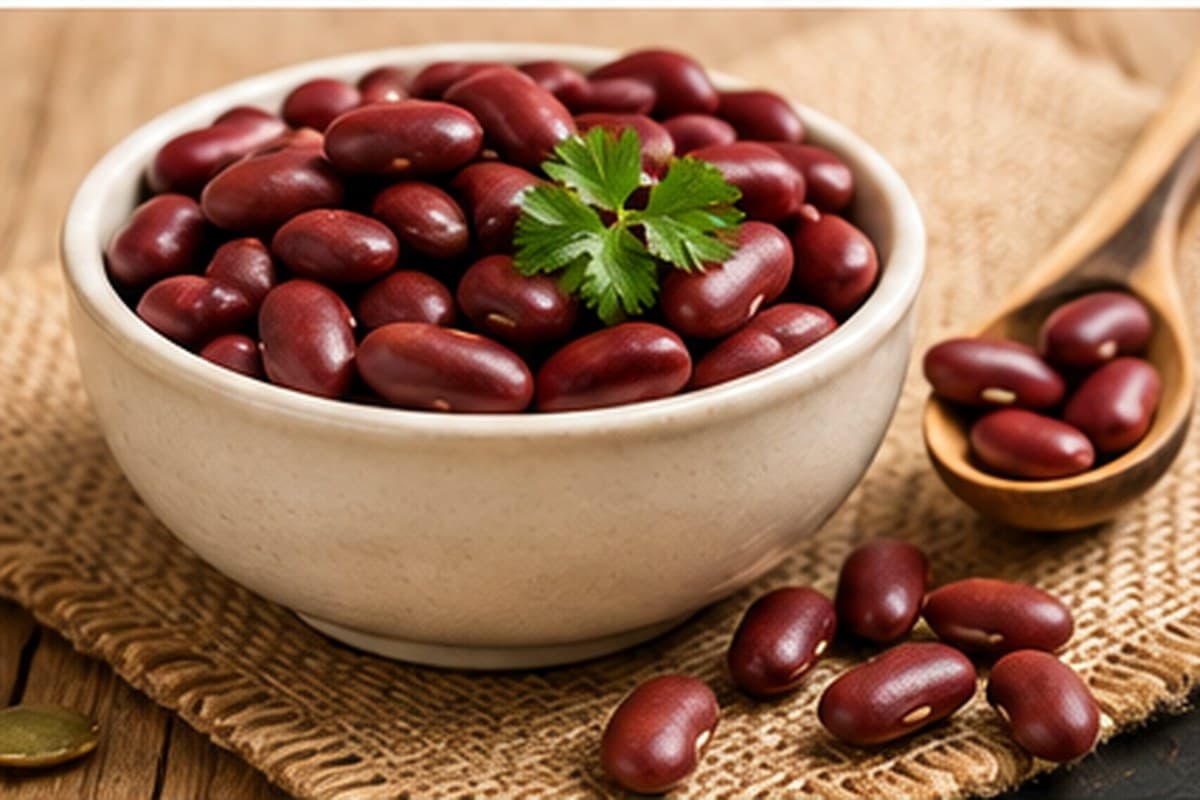
Beans provide plant-based iron, fiber, folate, protein, and other nutrients that can contribute to a balanced diet.
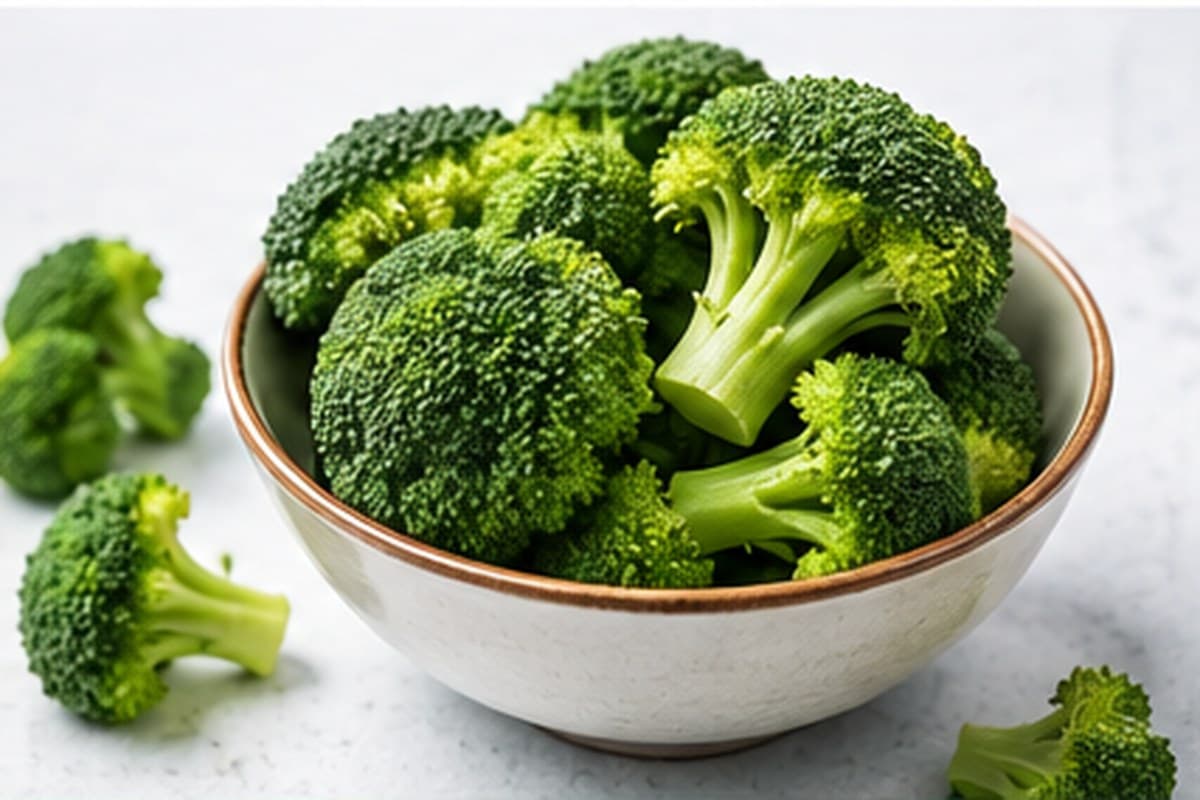
Broccoli provides vitamin C, fiber, folate, and other nutrients that support a varied and balanced diet.
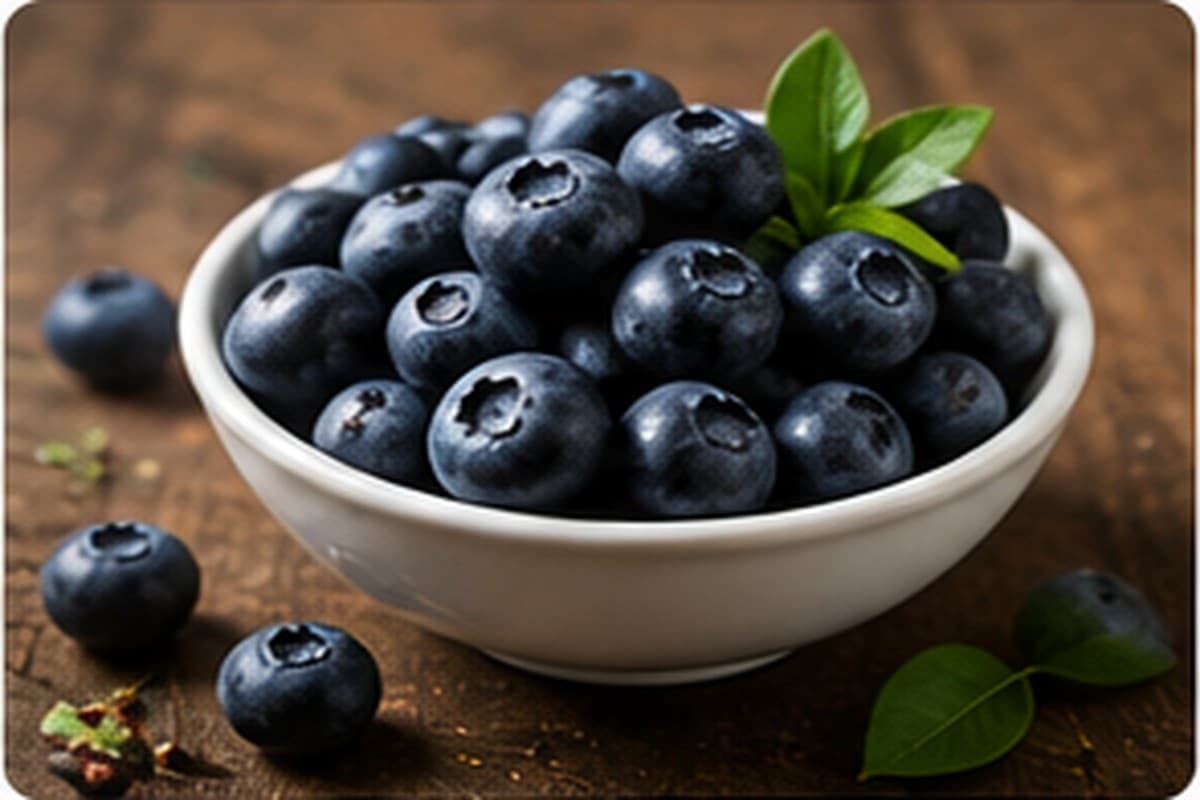
Blueberries are nutrient-rich fruits that provide vitamin C, fiber, and naturally occurring antioxidant compounds.
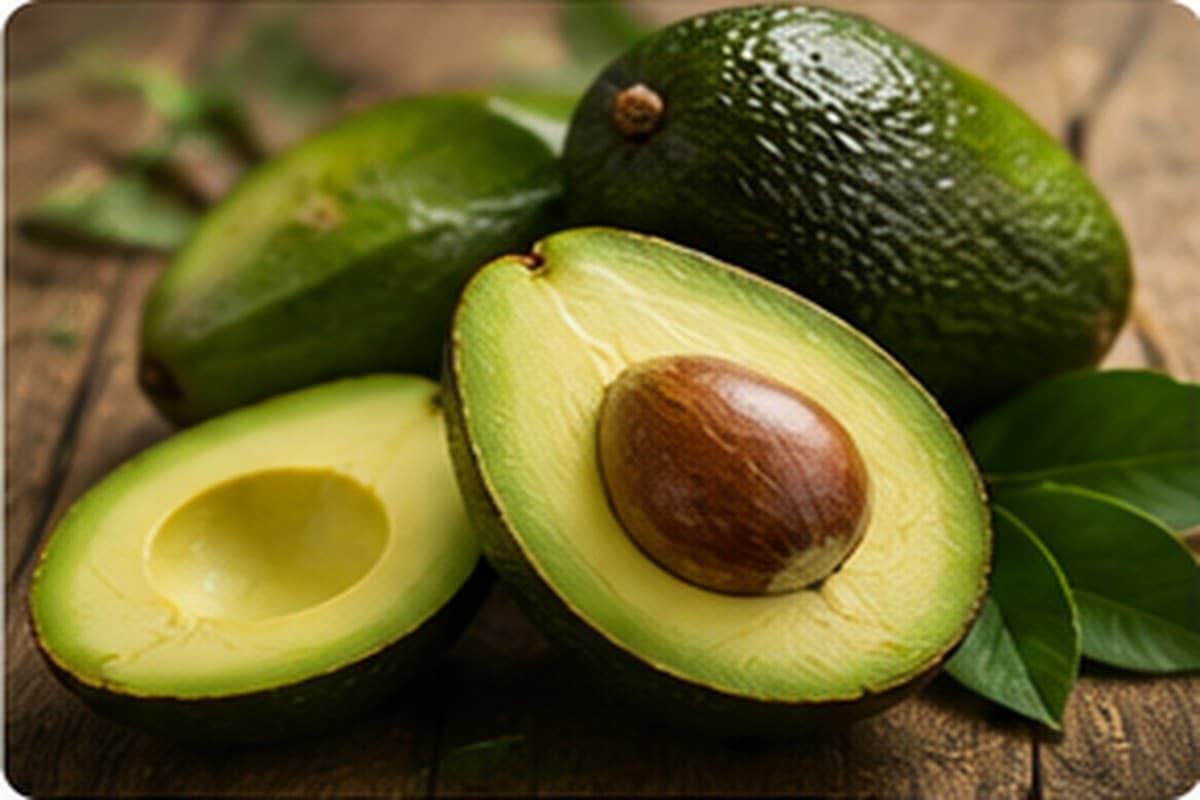
Avocado provides fiber, folate, potassium, vitamin E, and mostly unsaturated fats.
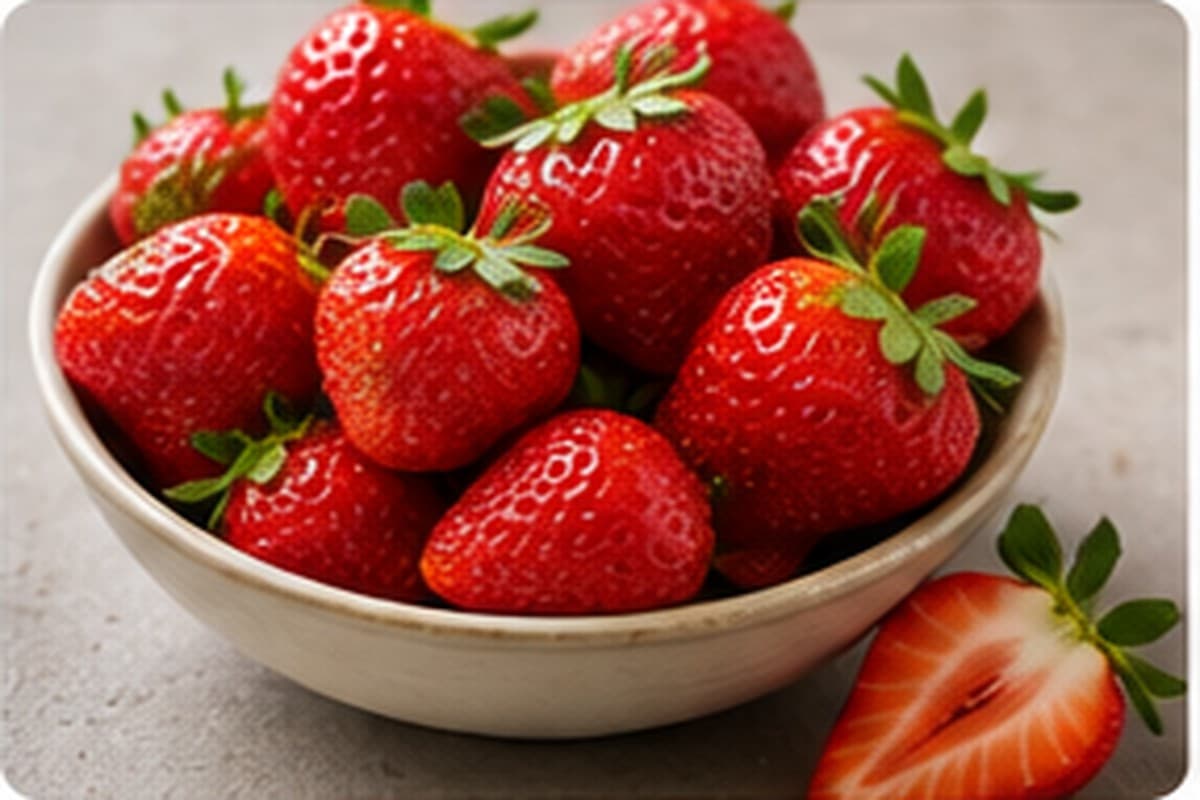
Strawberries provide vitamin C, fiber, folate, and other nutrients while adding variety to a balanced diet.
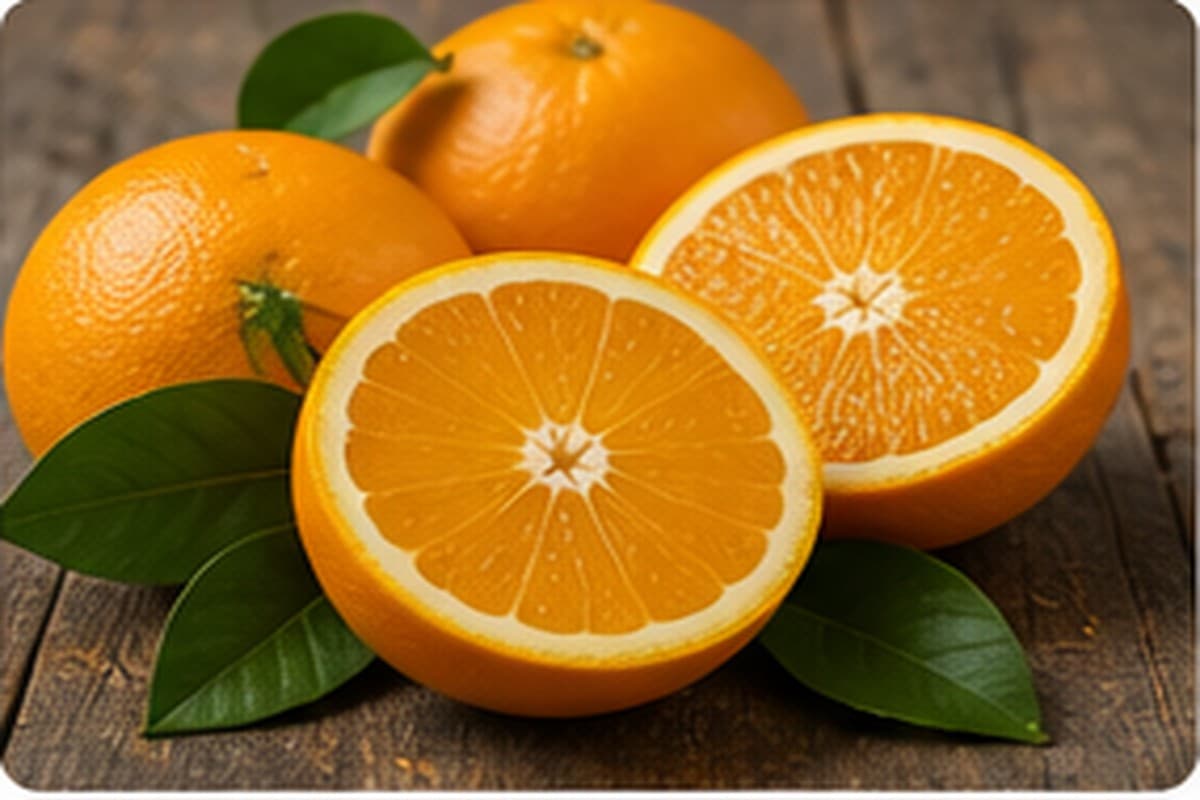
Oranges provide vitamin C, fiber, folate, and other nutrients and can be part of a balanced diet.
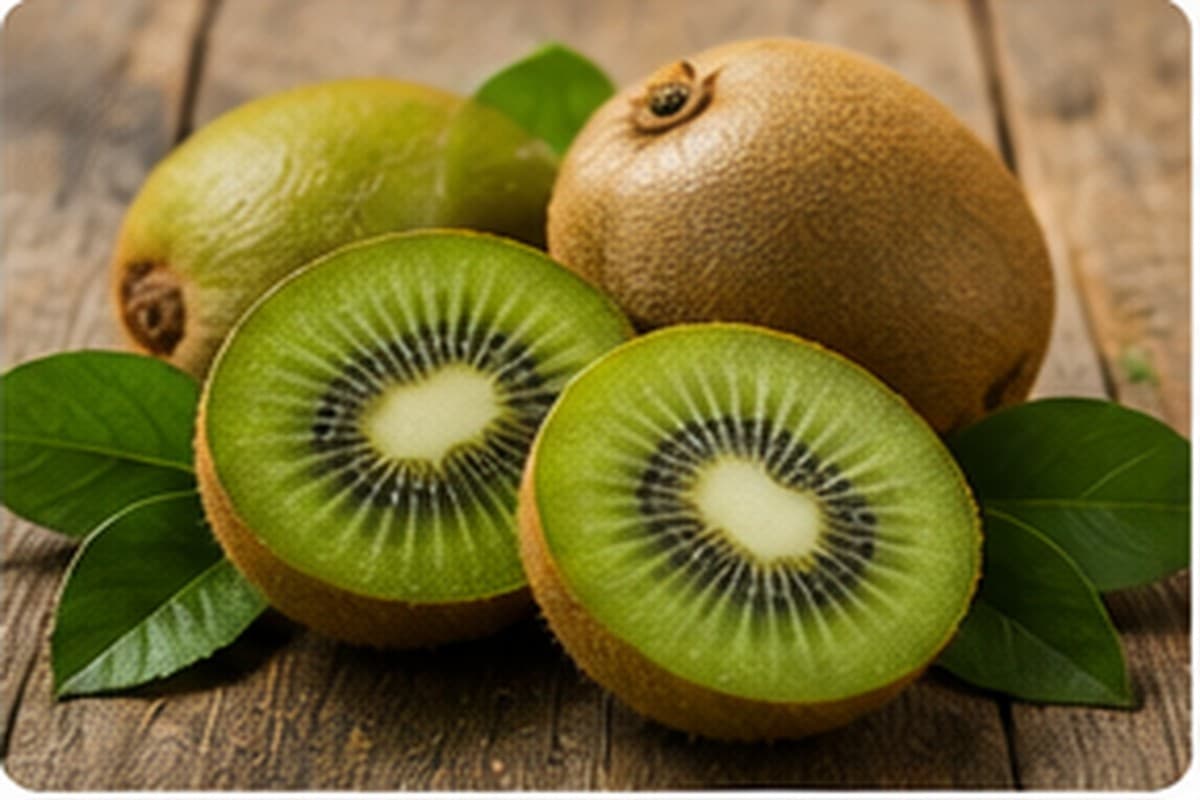
Kiwi is a nutrient-rich fruit that provides vitamin C, fiber, folate, and other nutrients.
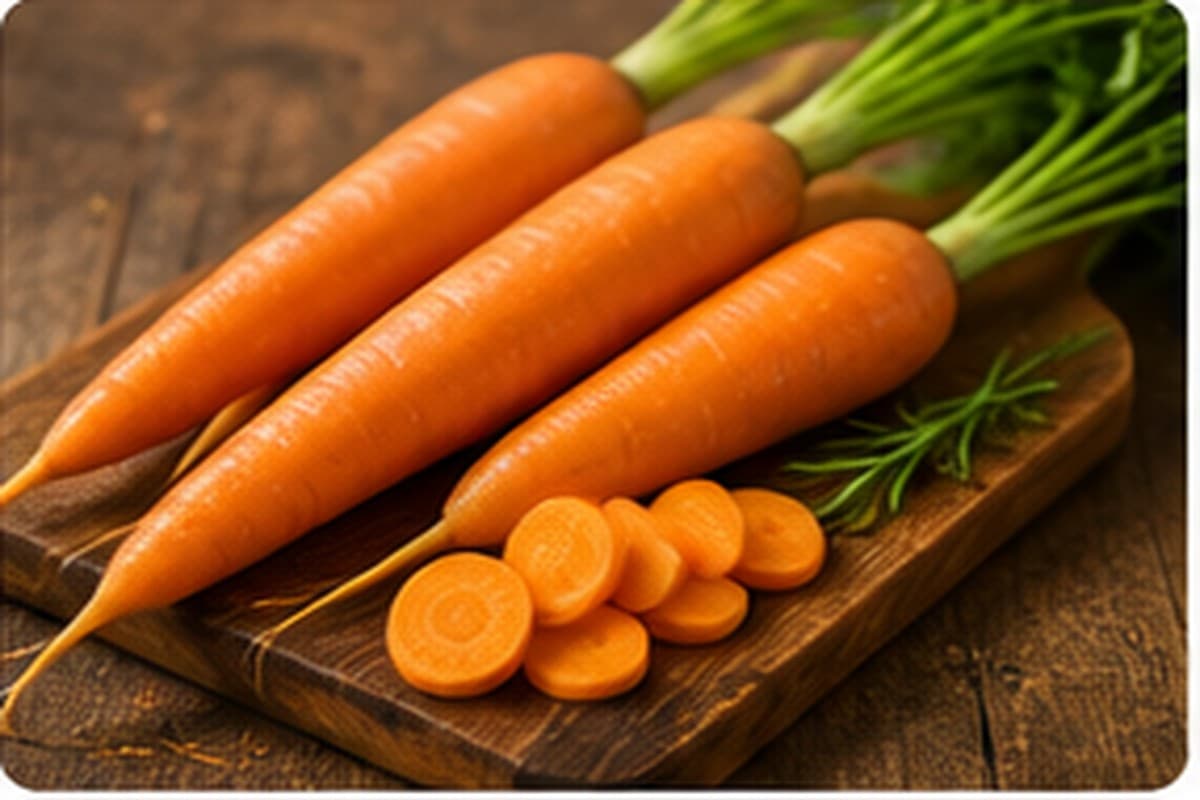
Carrots are rich in carotenoids and provide fiber and vitamin C as part of a balanced diet.
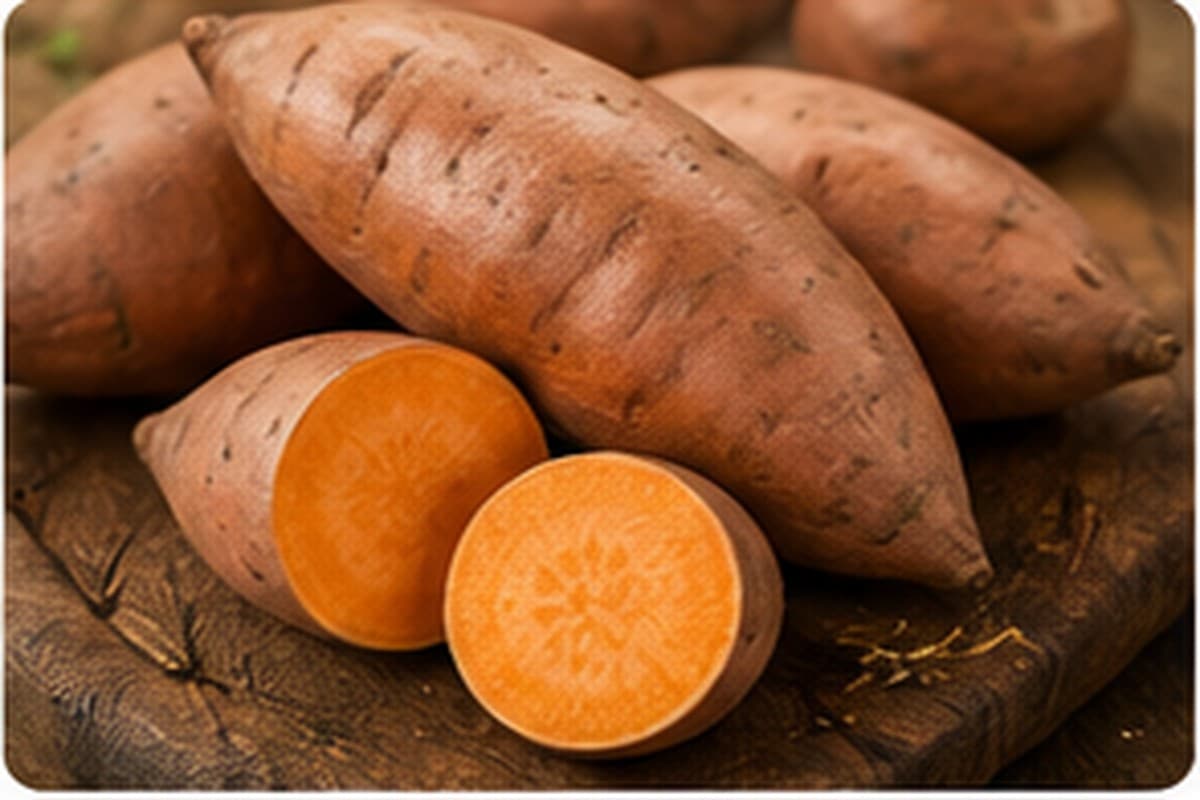
Sweet potatoes provide fiber, potassium, vitamin C, and carotenoids that the body can convert to vitamin A.
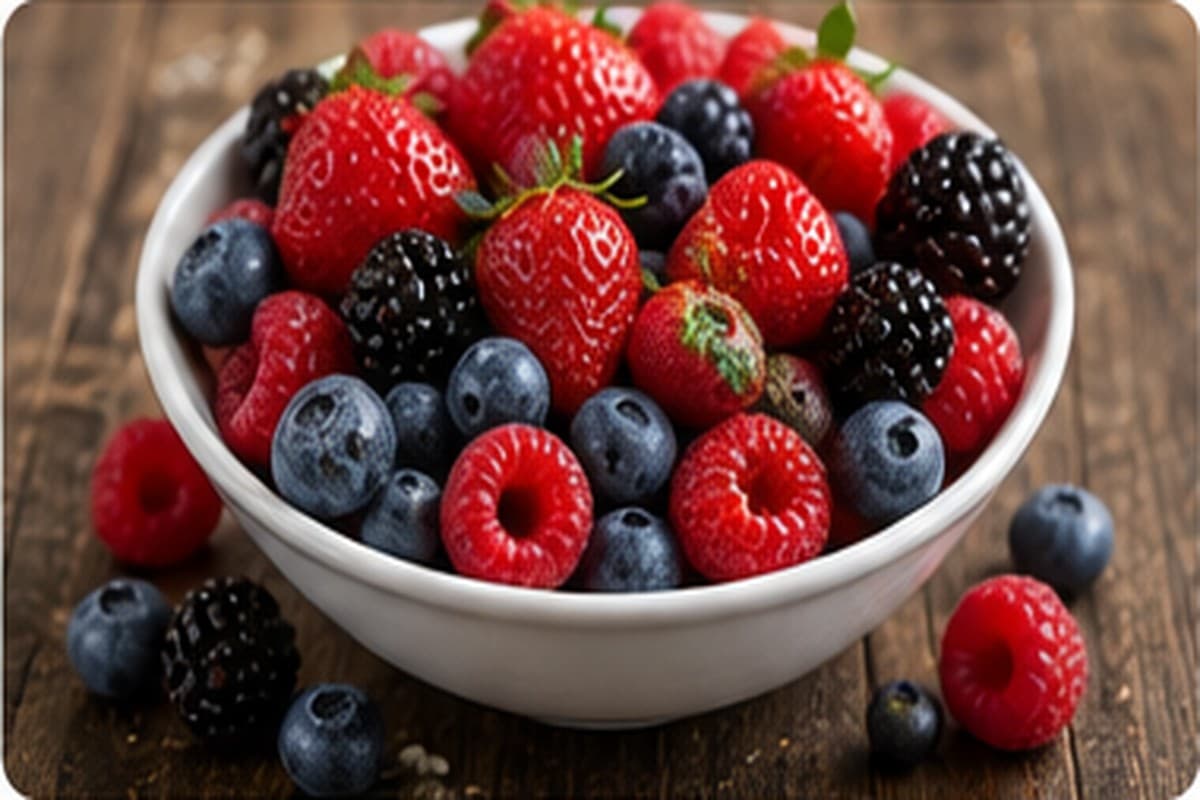
Berries such as strawberries, blueberries, raspberries, and blackberries provide fiber, vitamin C, and naturally occurring antioxidant compounds.
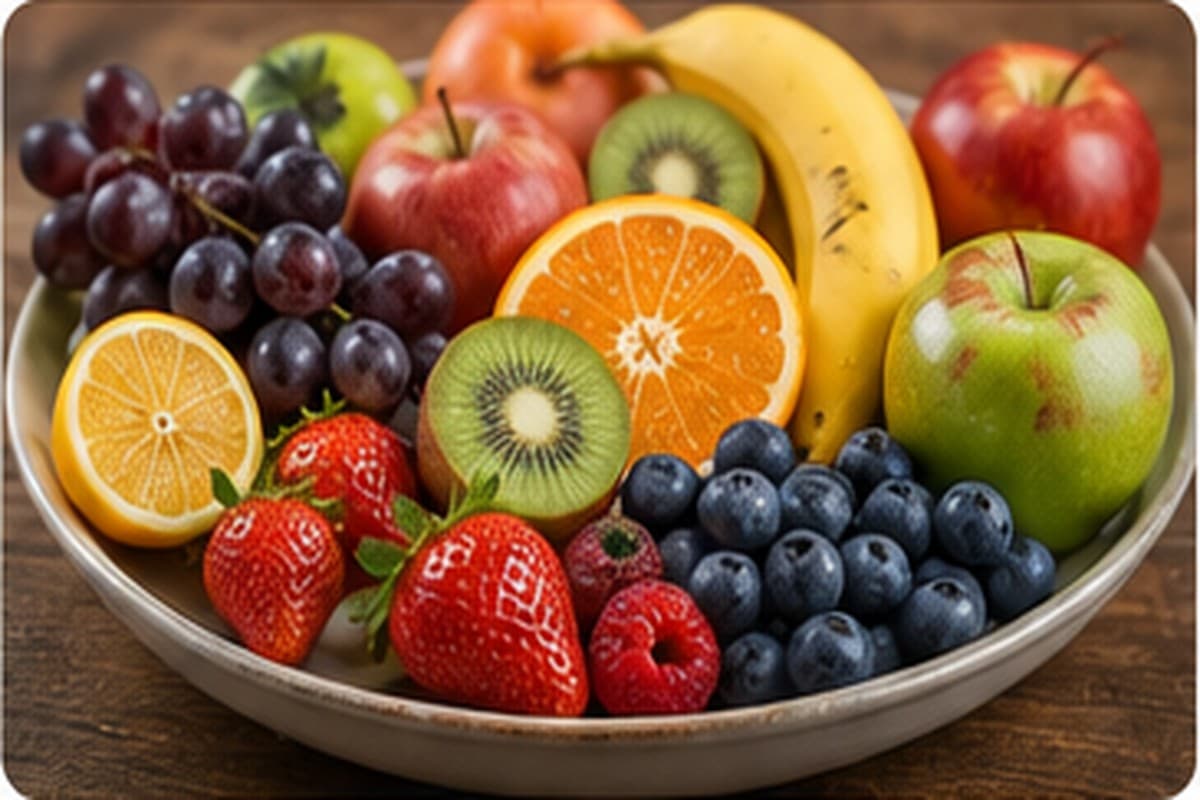
A variety of fruits can provide fiber, vitamins, minerals, and naturally occurring plant compounds.
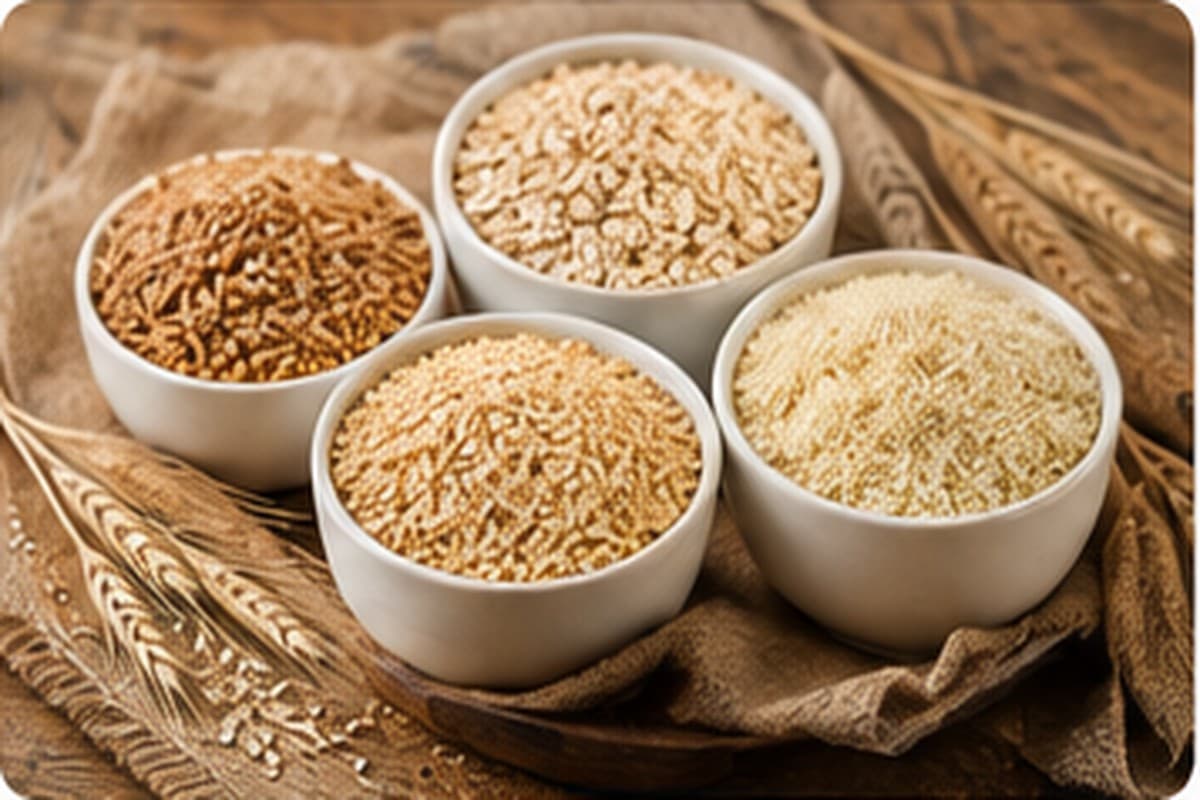
Whole grains contain the grain kernel and provide fiber, magnesium, B vitamins, and other nutrients.
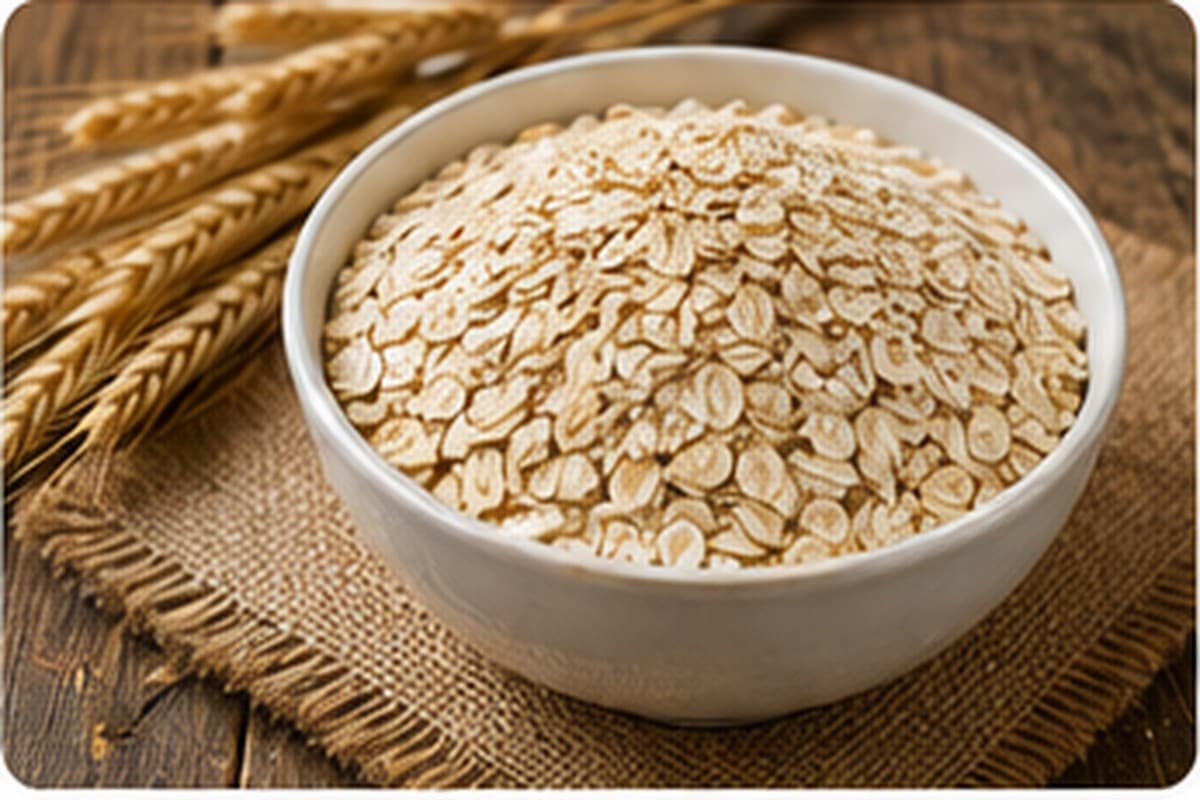
Oats are whole grains that provide fiber, magnesium, iron, protein, and other nutrients.
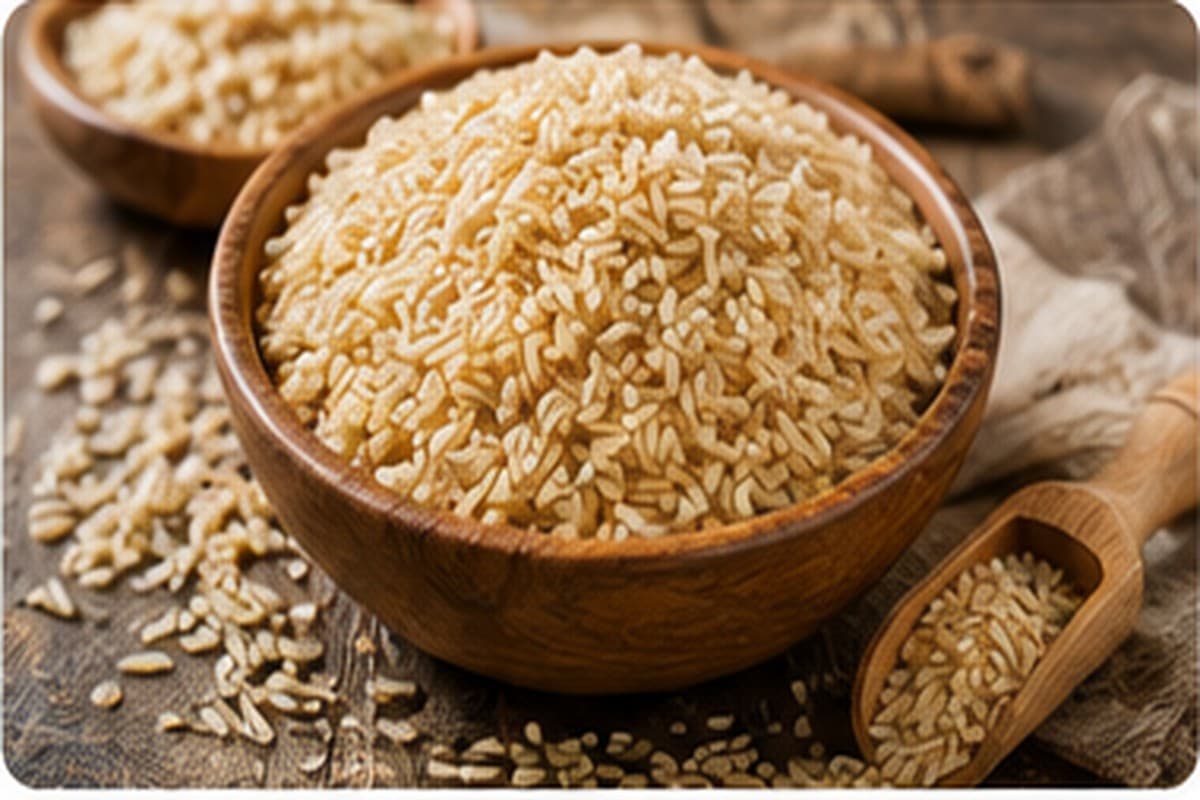
Brown rice is a whole grain that provides fiber, magnesium, B vitamins, and other nutrients.
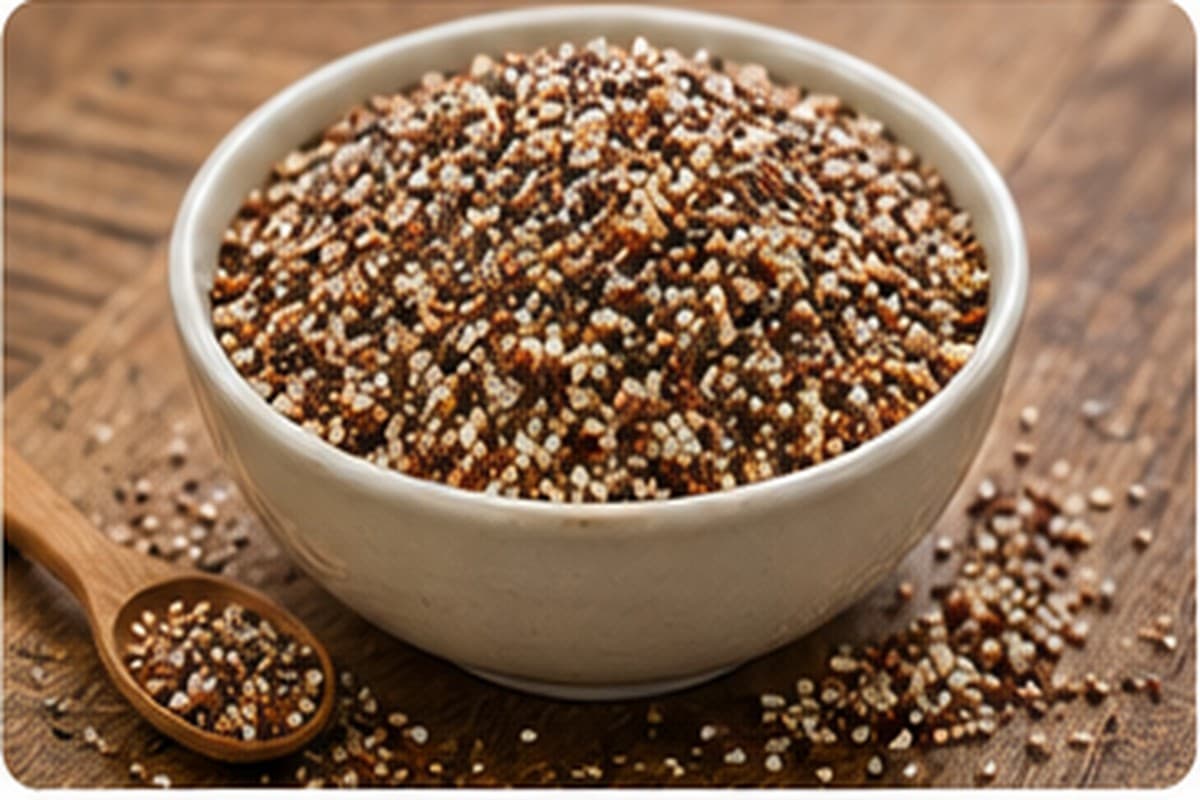
Quinoa is a nutrient-rich seed commonly used as a grain and provides protein, fiber, iron, magnesium, and other nutrients.
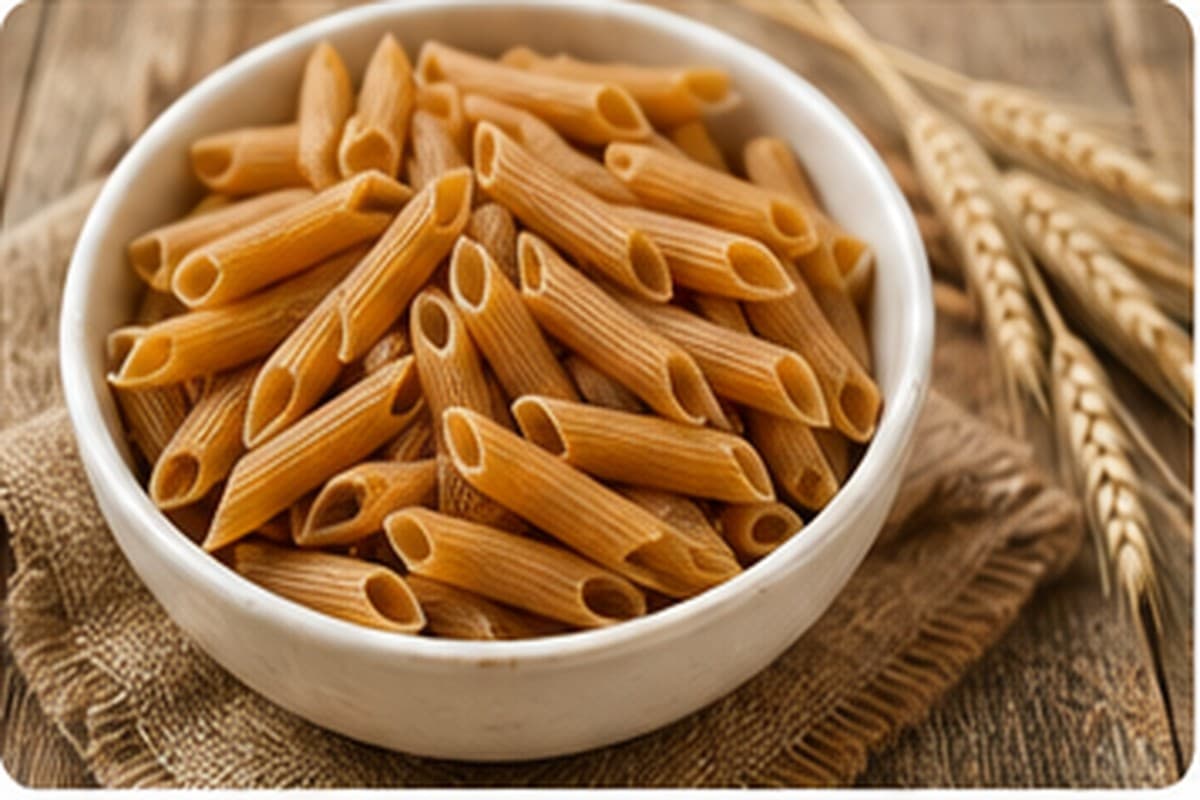
Whole wheat pasta is made from whole-grain wheat and provides fiber, B vitamins, iron, and other nutrients.
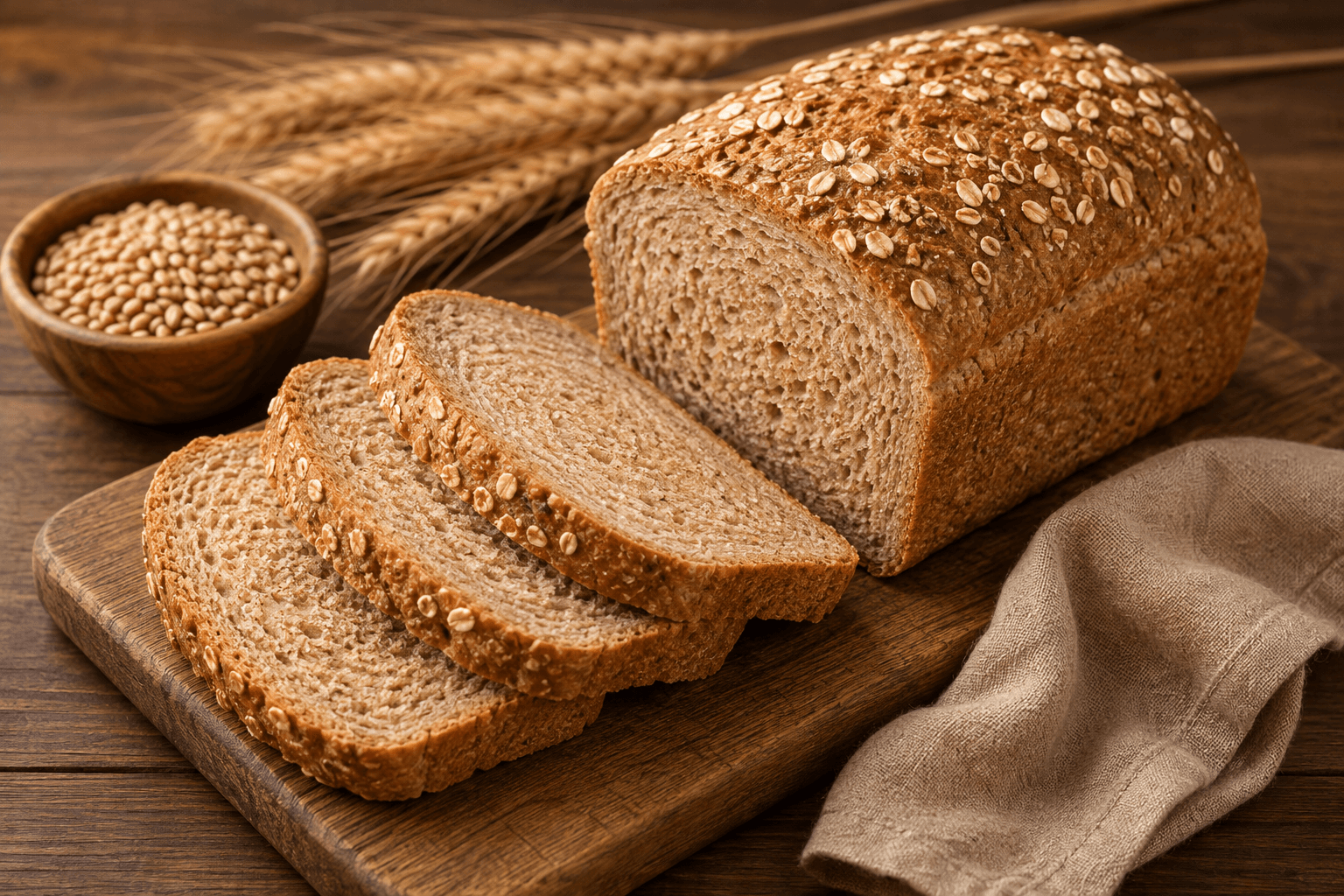
Whole wheat bread is made from whole grains and provides dietary fiber, B vitamins, and other nutrients that can contribute to a balanced diet.
Symptoms that may be associated with inadequate Fiber intake.
About 25–38 g For Adults
Individual requirements can vary based on age, sex, life stage, and other factors.
Discover recipes that provide Fiber.
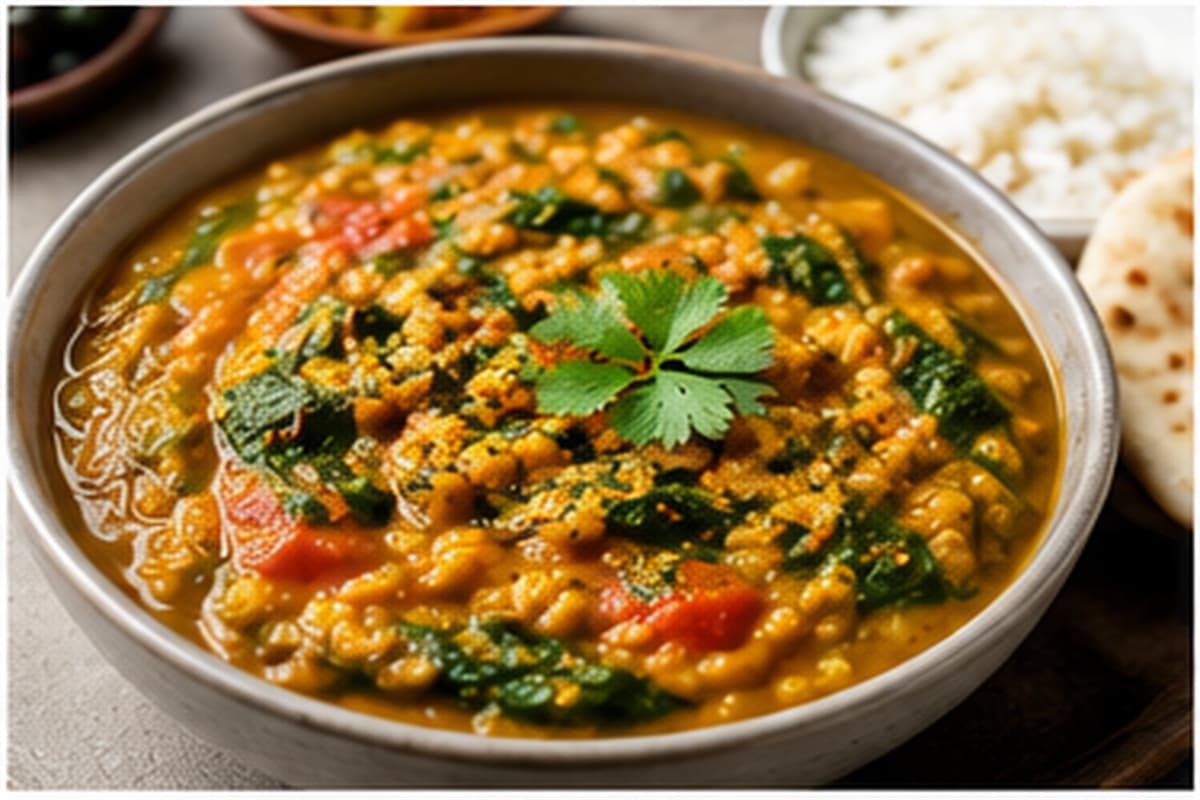
A nutritious combination of lentils and spinach providing plant-based iron, protein, fiber, and folate.
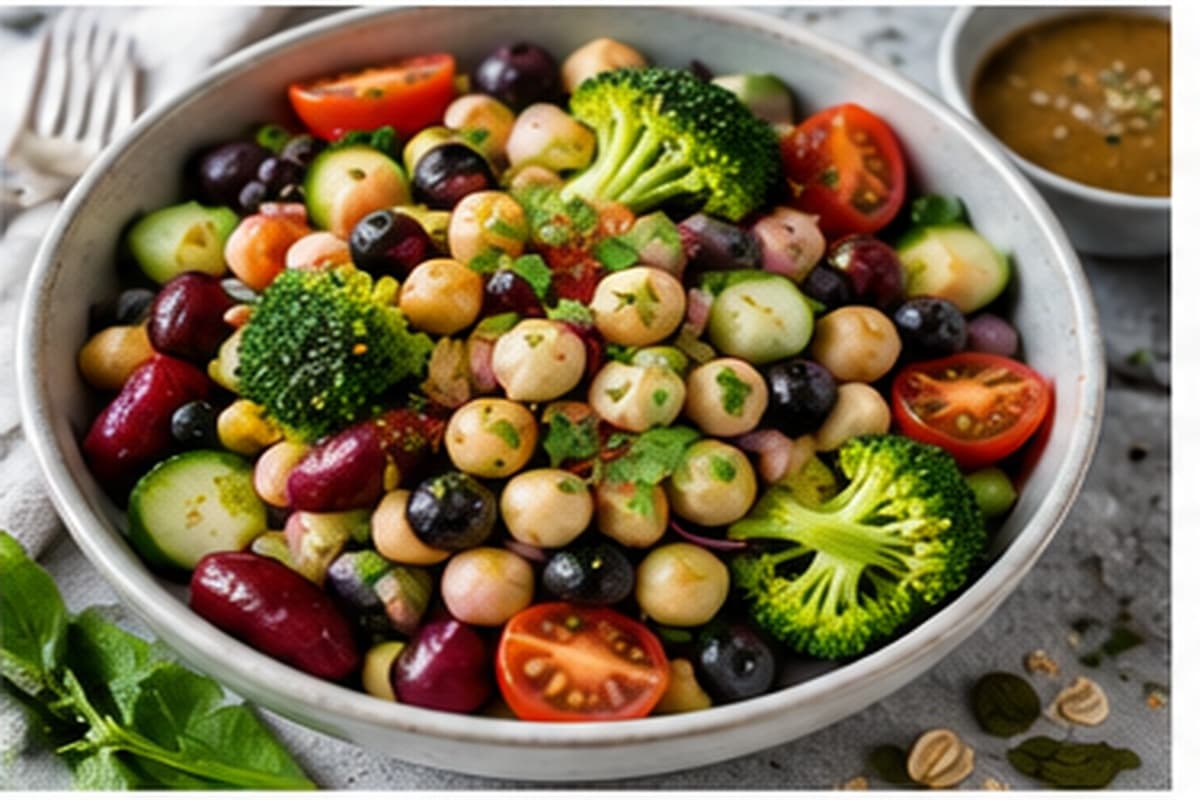
A fresh bean salad combining beans and vegetables for iron, fiber, folate, and vitamin C.
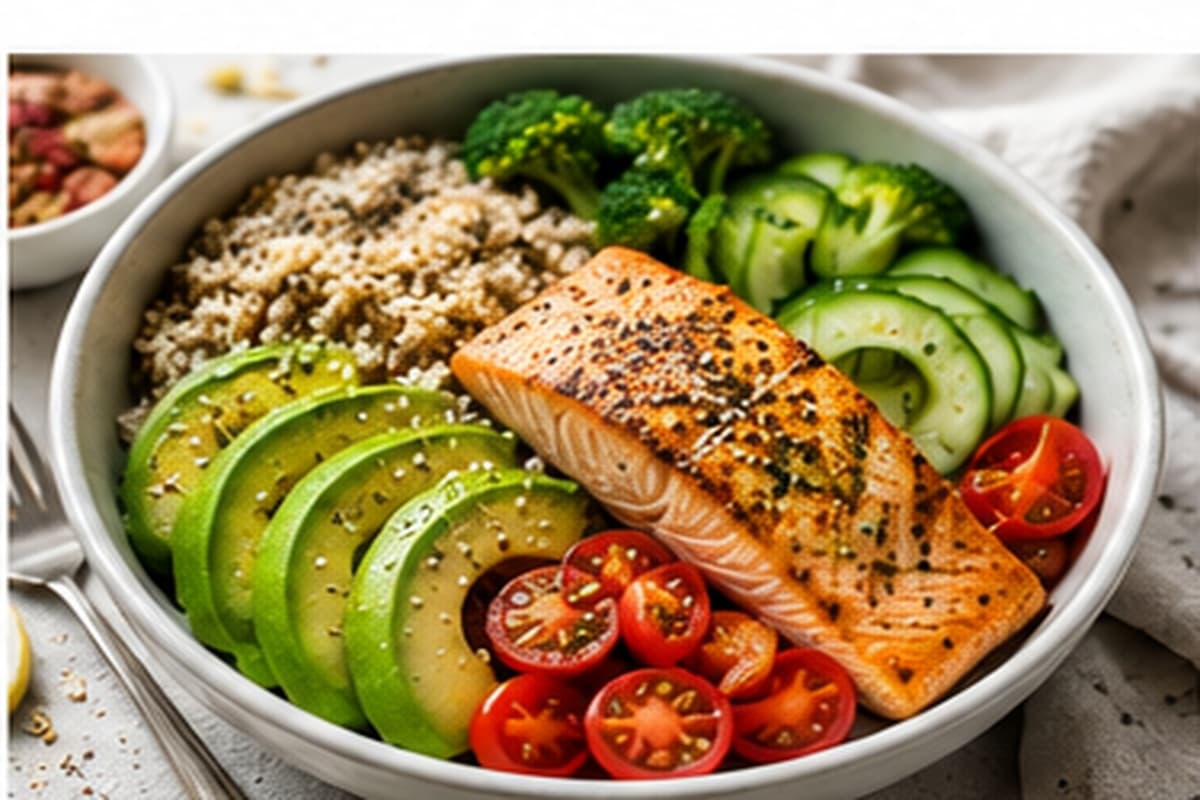
A balanced bowl combining salmon, avocado, vegetables, and whole grains for protein, vitamin D, omega-3 fatty acids, and fiber.
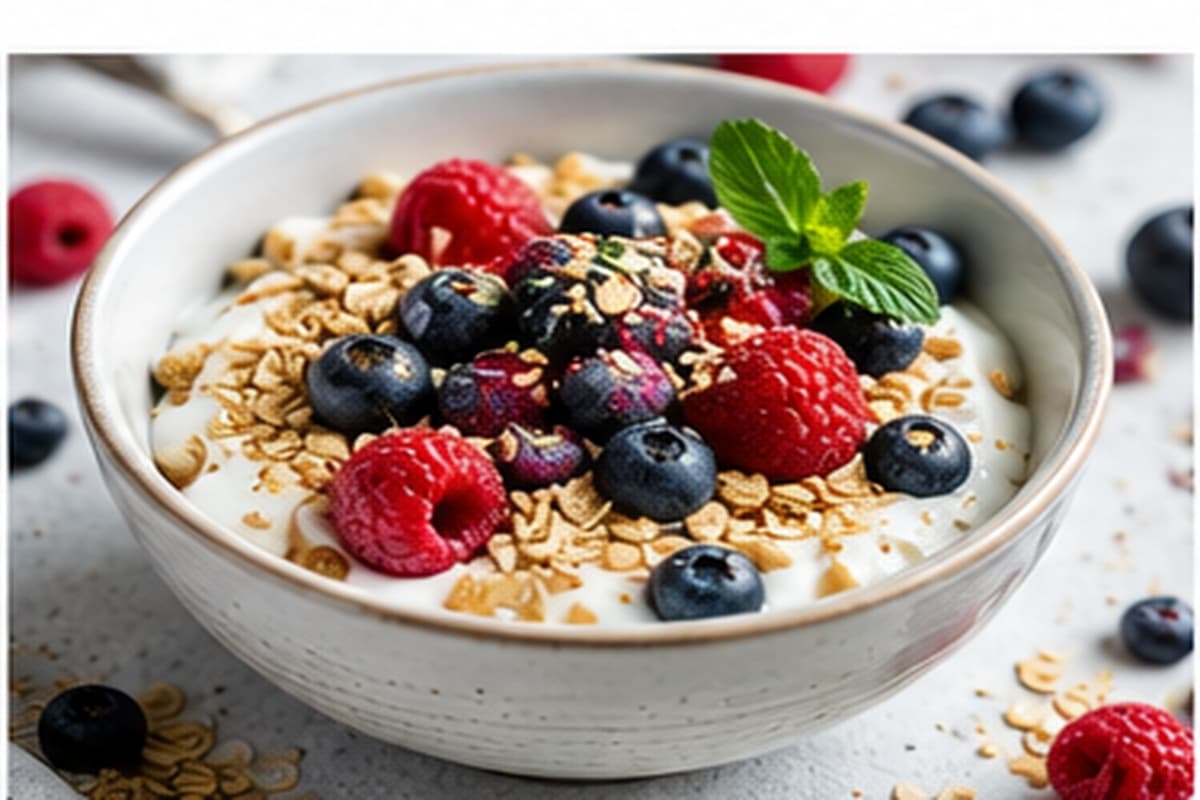
A simple breakfast bowl made with Greek yogurt, berries, oats, and nuts for protein, fiber, calcium, and antioxidants.
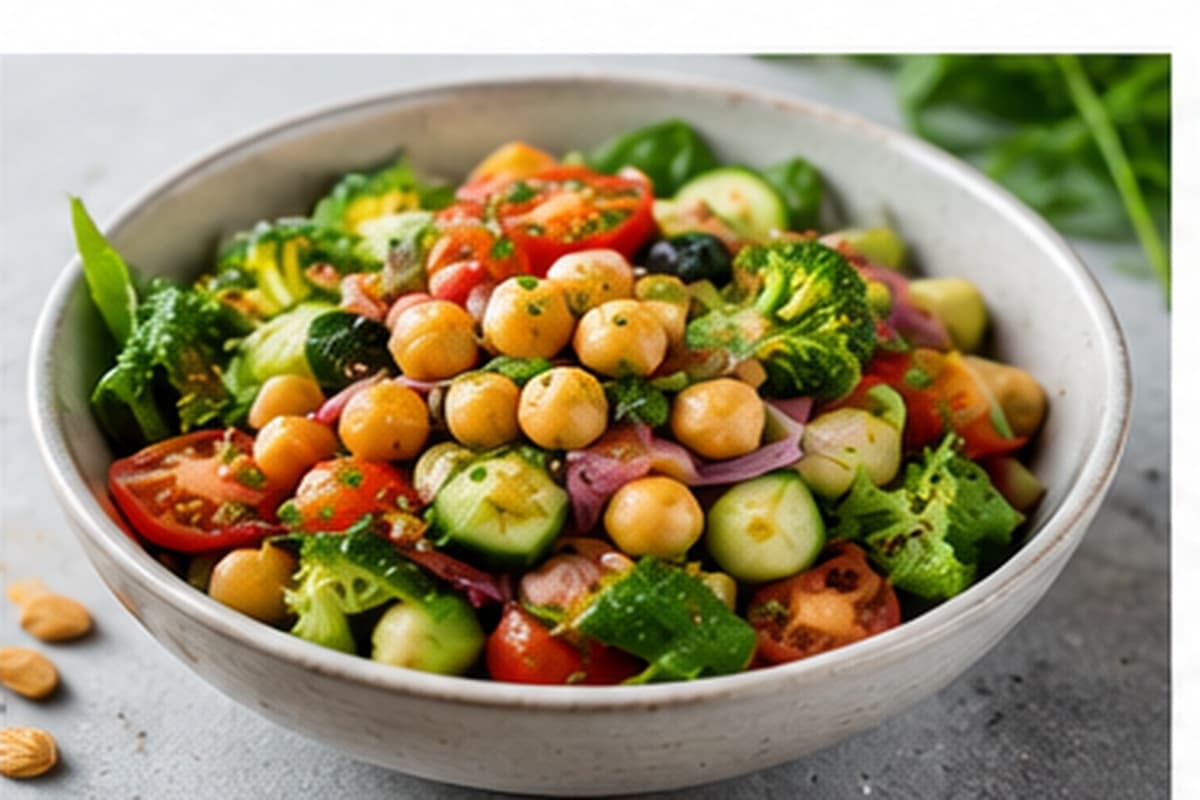
A refreshing chickpea and vegetable salad providing plant protein, fiber, folate, and vitamin C.
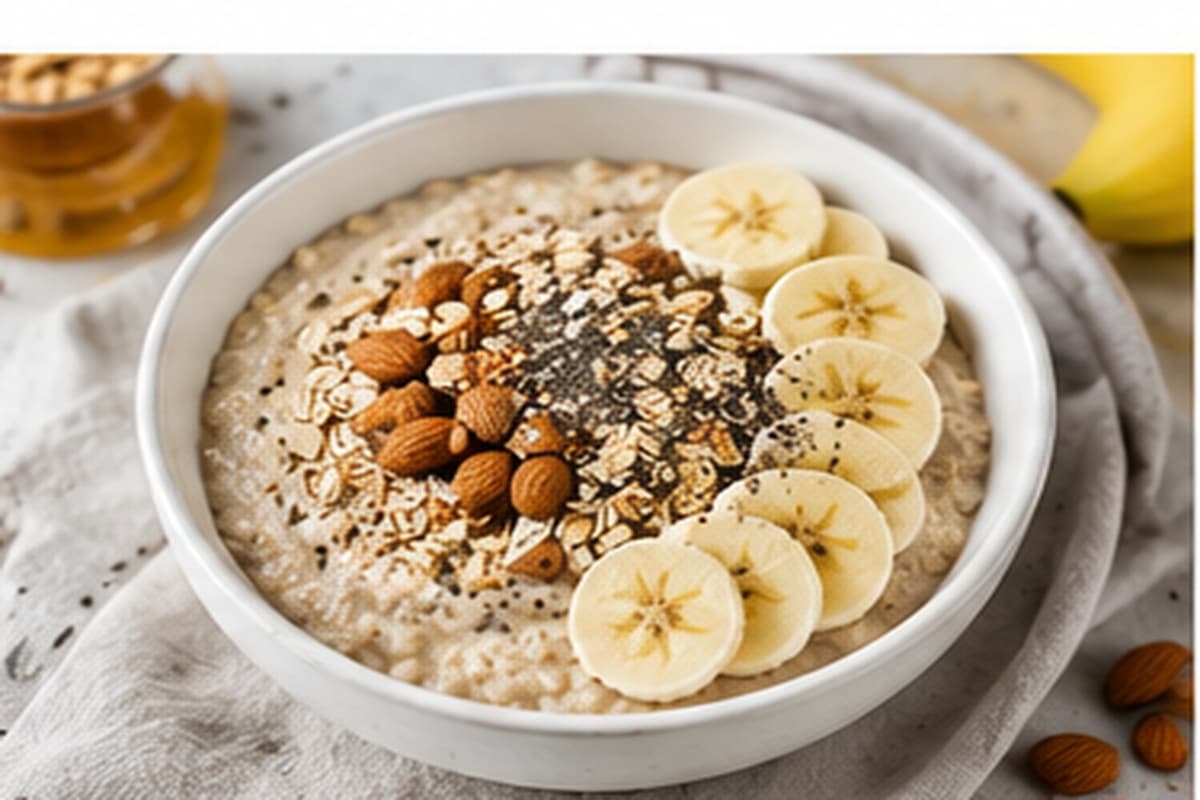
A filling breakfast made with oats, banana, milk, and nuts providing fiber, magnesium, protein, and B vitamins.
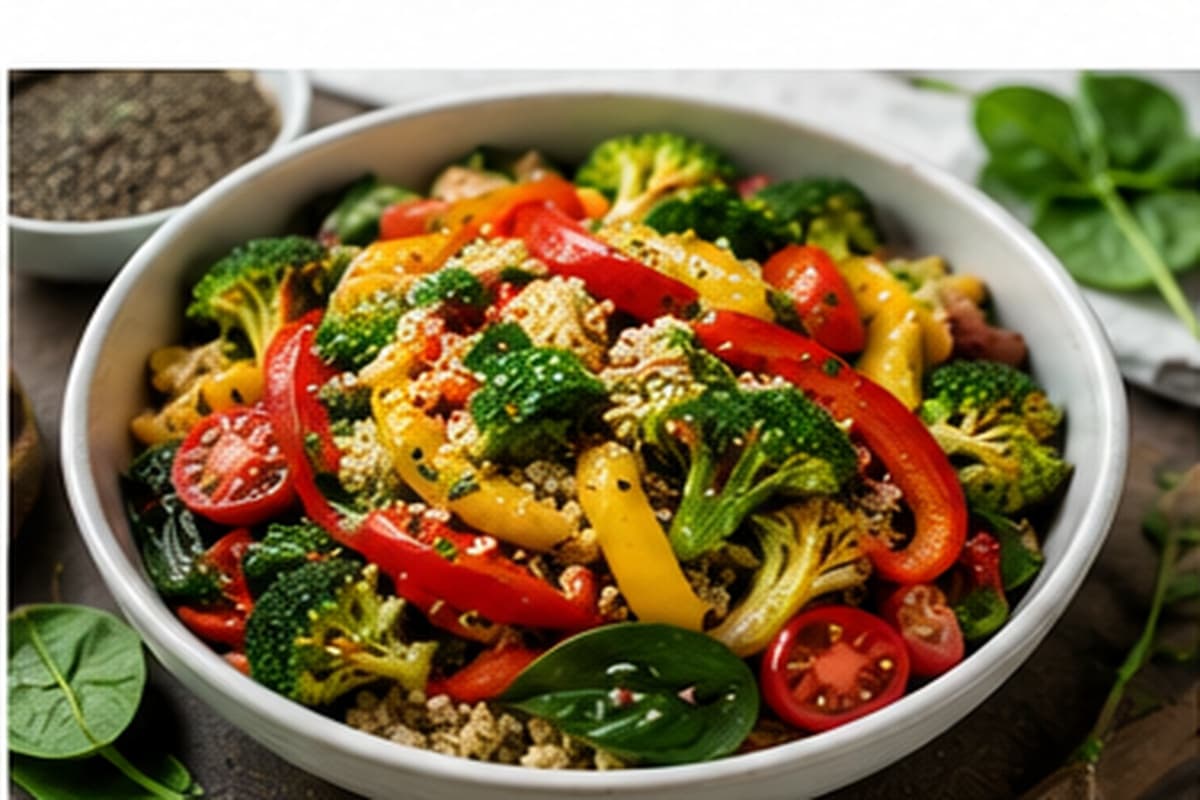
A balanced quinoa bowl with vegetables providing plant protein, iron, magnesium, fiber, and vitamin C.

Whole wheat toast topped with eggs and avocado for protein, healthy fats, fiber, and B vitamins.
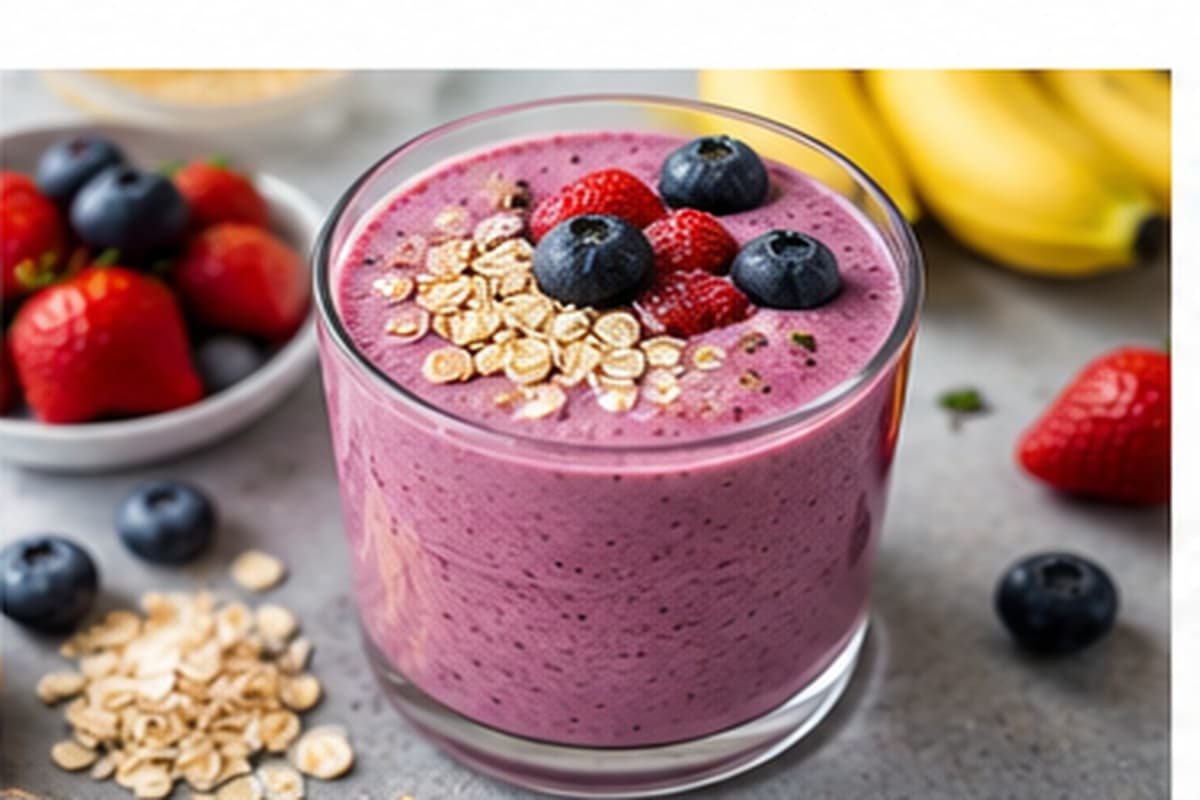
A refreshing smoothie made with berries, oats, yogurt, and milk providing fiber, calcium, protein, and vitamin C.
Explore nutrition-related topics connected with Fiber.
Explore nutrition guides related to Fiber, its food sources, benefits, and related nutrition topics.
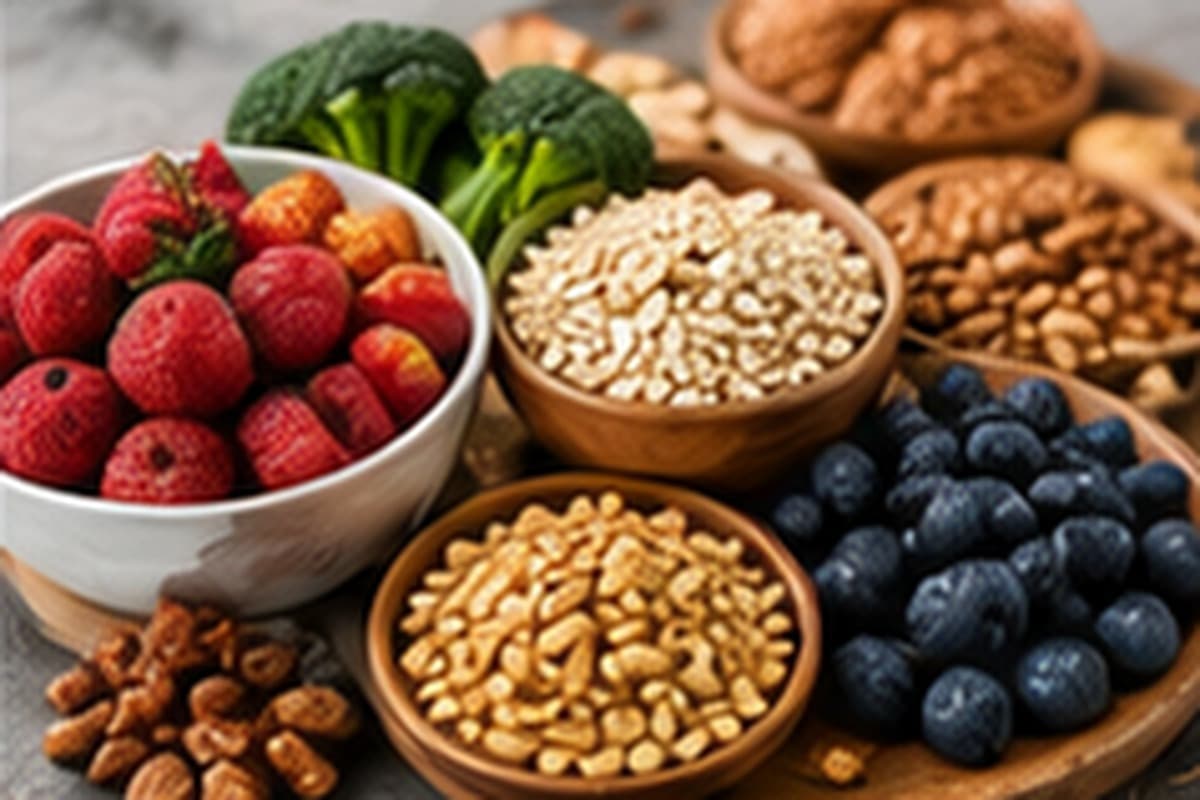
Discover high fiber foods including lentils, beans, oats, whole grains, brown rice, quinoa, fruits, berries, vegetables, and whole wheat foods.
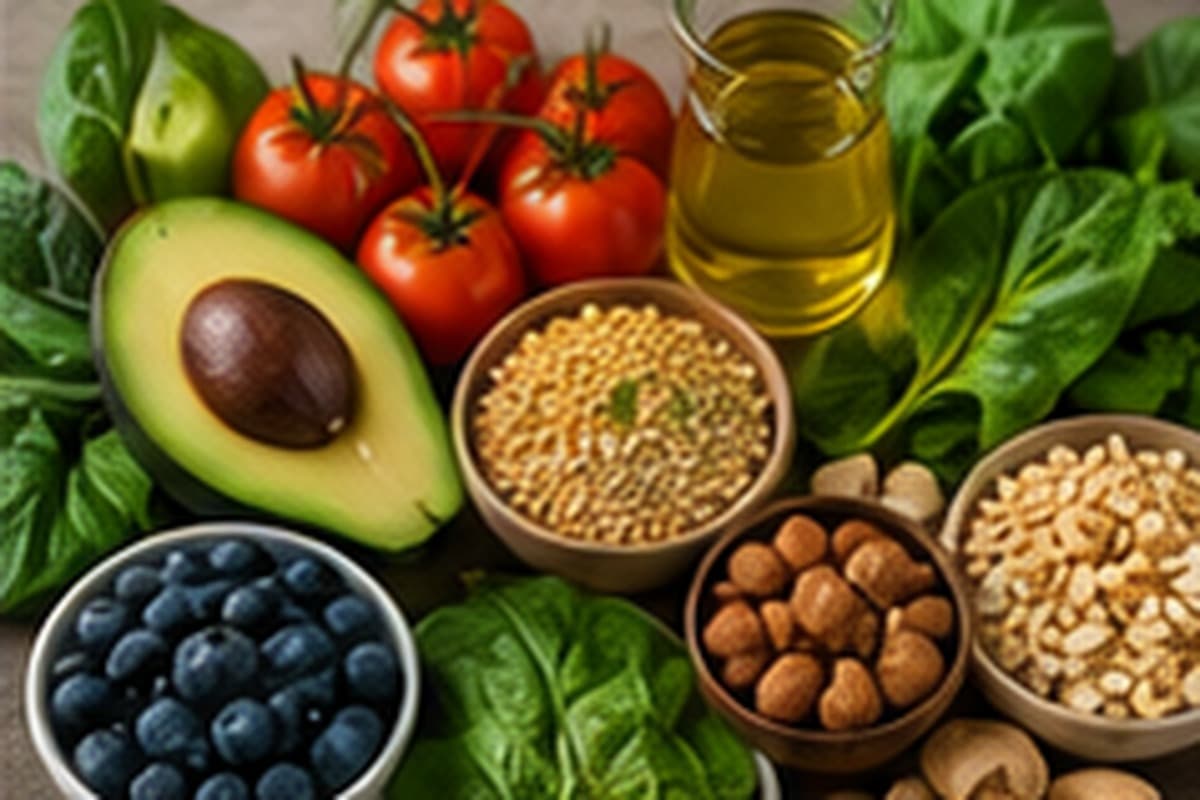
Explore nutritious foods from vegetables, fruits, legumes, whole grains, dairy, fish, nuts, and other food groups for a varied balanced diet.
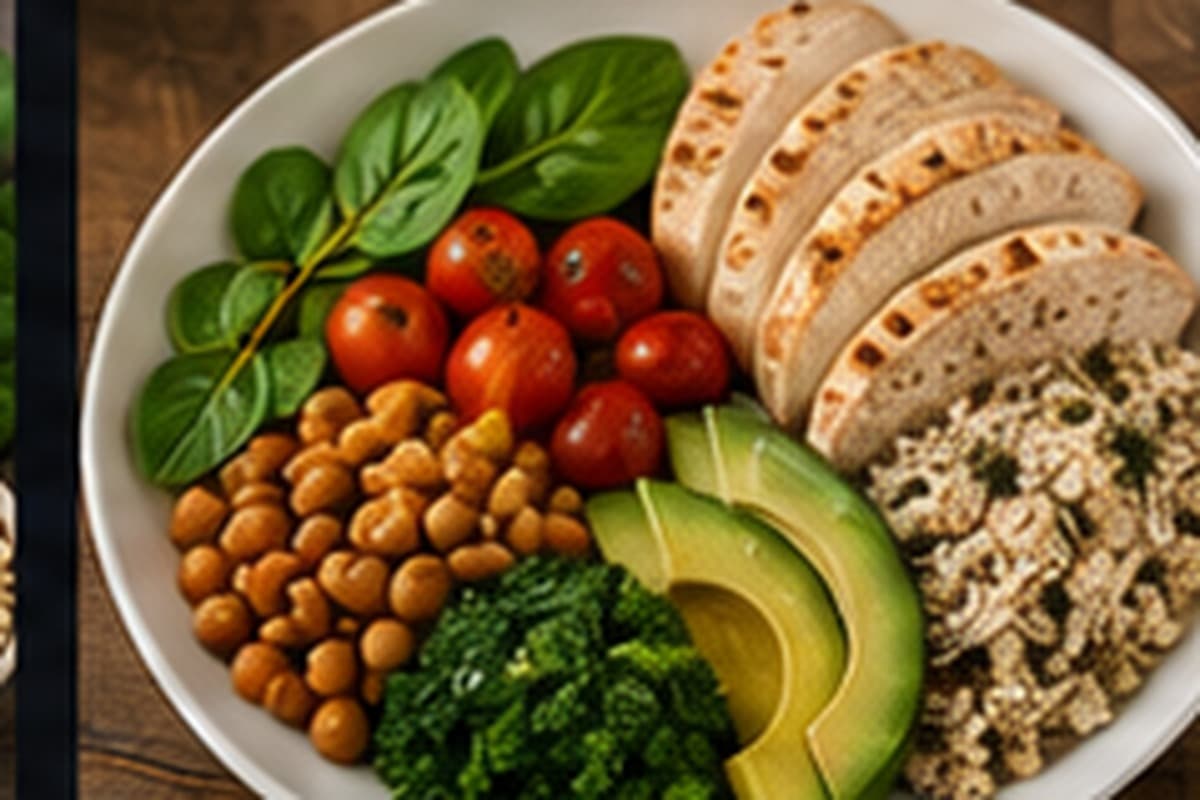
Learn practical healthy eating principles including food variety, balanced meals, whole grains, vegetables, fruits, protein, and nutrient-rich foods.
Learn how to understand food nutrition information, including nutrients, protein, fiber, vitamins, minerals, and nutritional value.
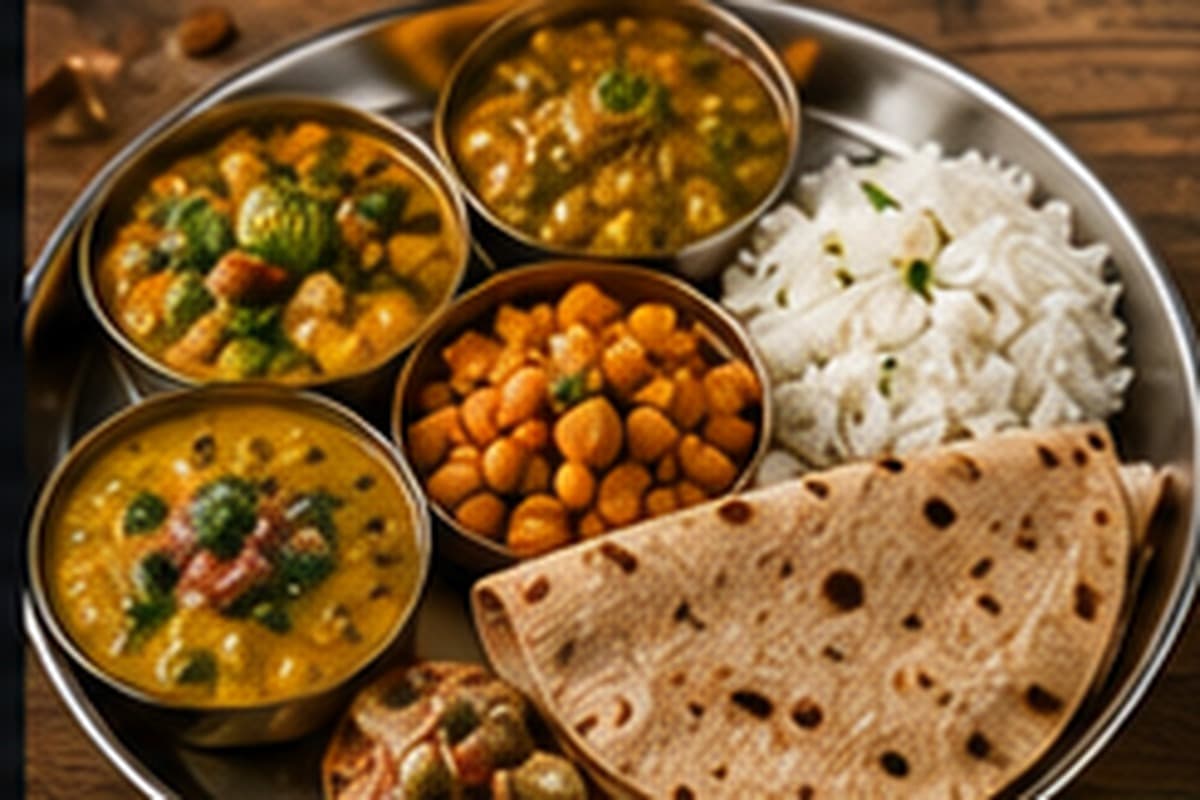
Explore nutritious foods commonly used in Indian meals, including lentils, beans, whole grains, vegetables, fruits, nuts, seeds, and dairy foods.
NutriCompass provides general nutrition information for educational purposes. Nutrient requirements can vary between individuals, and this information should not be used to diagnose or treat a medical condition. Speak with a qualified healthcare professional for personalized advice.