🥗
Loading NutriCompass
Preparing your nutrition information...
Preparing your nutrition information...
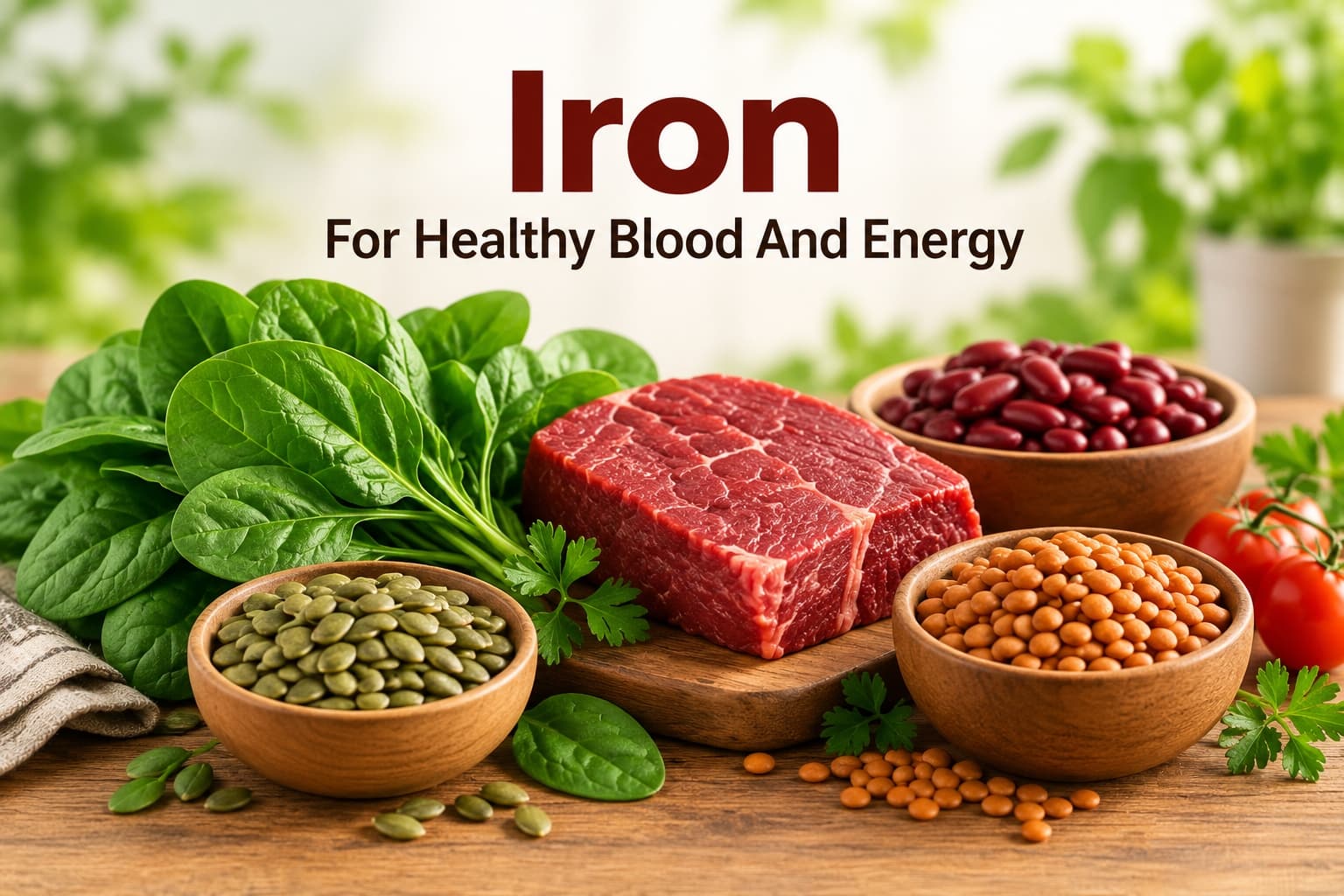
Iron is an essential mineral that helps produce hemoglobin, which carries oxygen throughout the body.
A quick look at the key nutrition information for Iron.
8 mg (Adult Men), 18 mg (Adult Women)
8 Food Sources
4 Key Benefits
5 Symptoms
How Iron supports normal health and nutrition.
Supports Healthy Red Blood Cells
Supports Normal Energy Metabolism
Supports Normal Cognitive Function
Helps Transport Oxygen
Explore foods that can provide Iron.
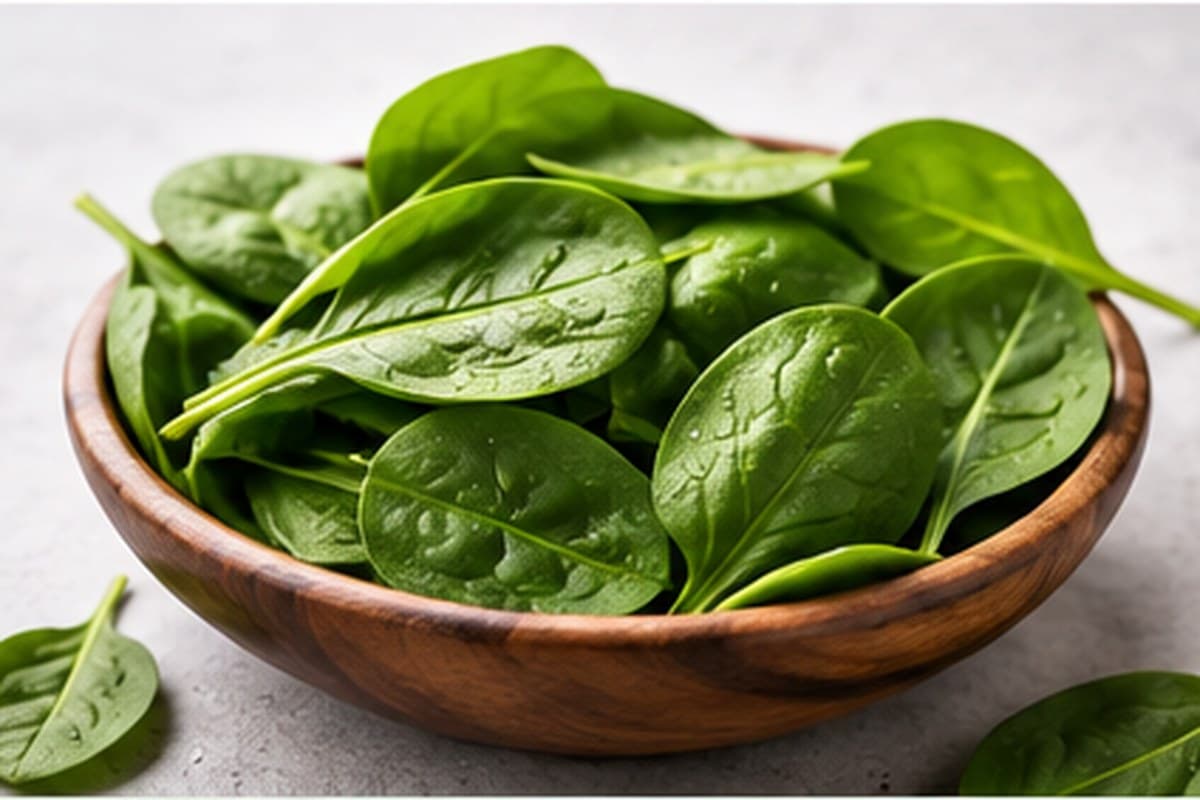
Spinach is a nutrient-rich leafy green vegetable that provides iron, vitamin C, folate, and other nutrients.
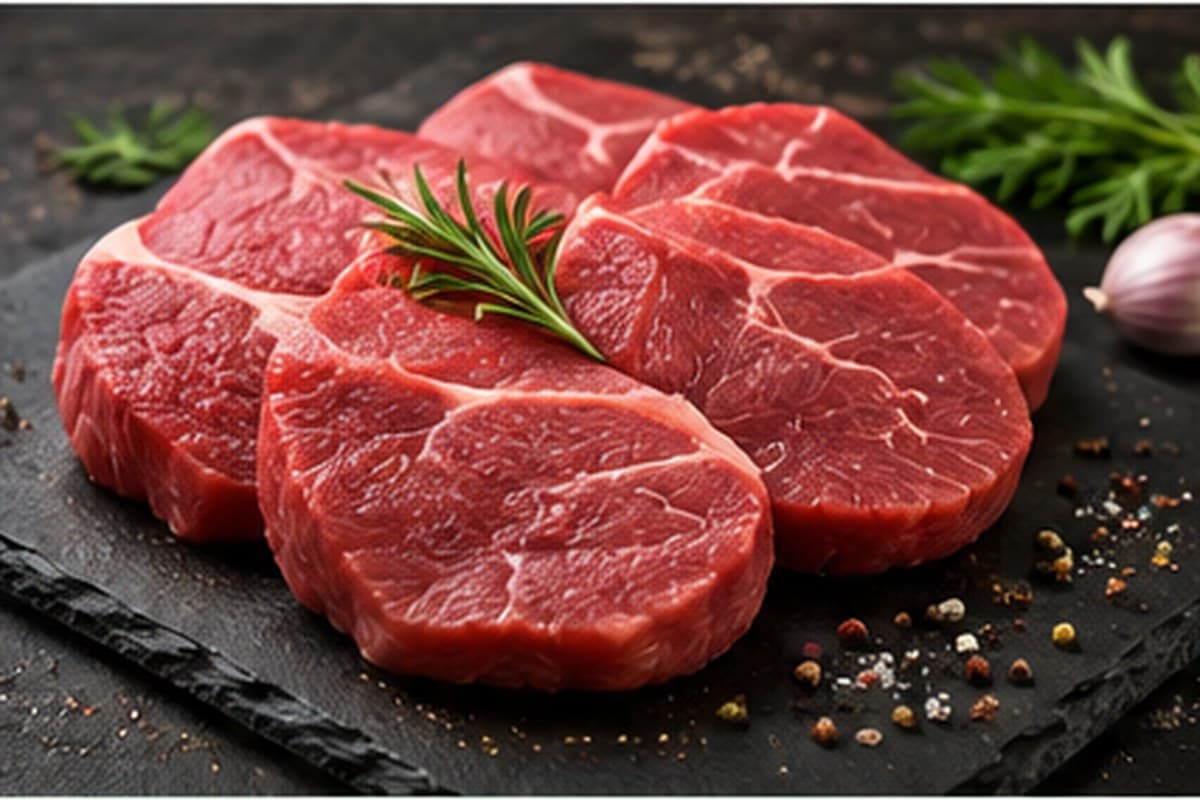
Lean red meat provides heme iron, protein, and vitamin B12 as part of a balanced diet.
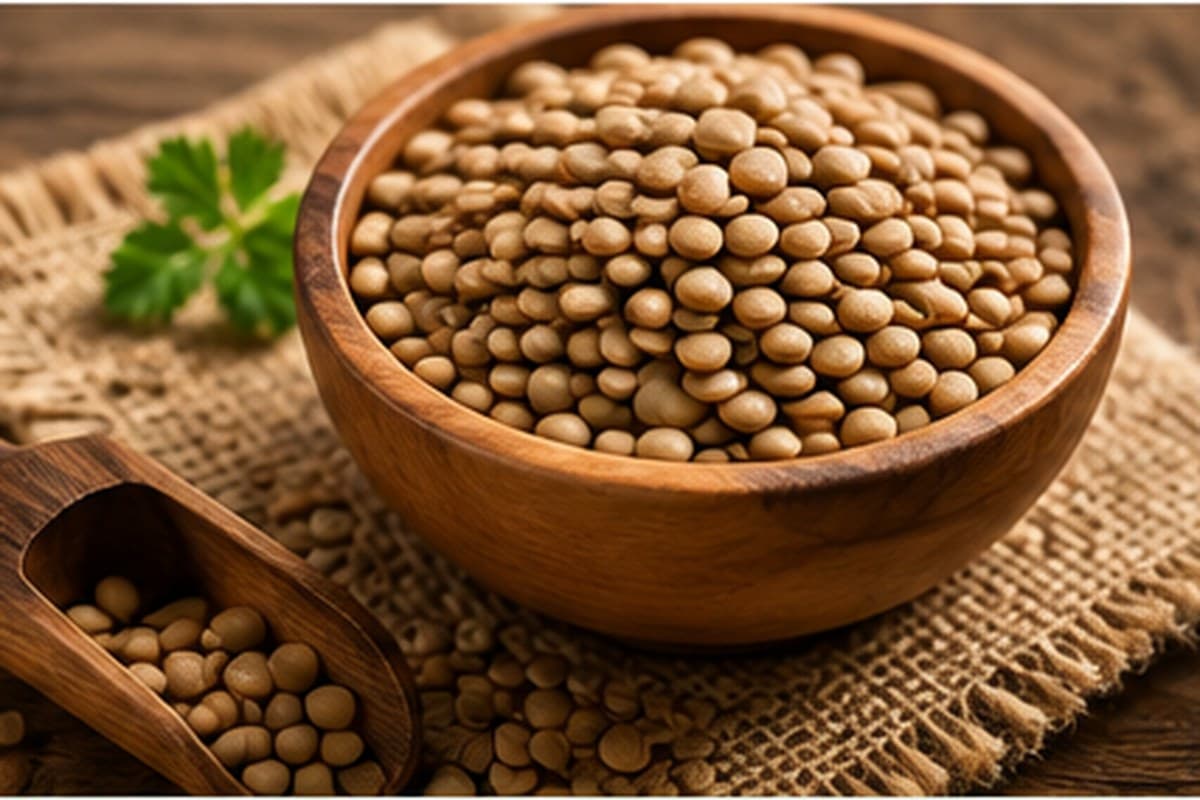
Lentils are nutritious legumes that provide plant-based protein, iron, fiber, and other essential nutrients.
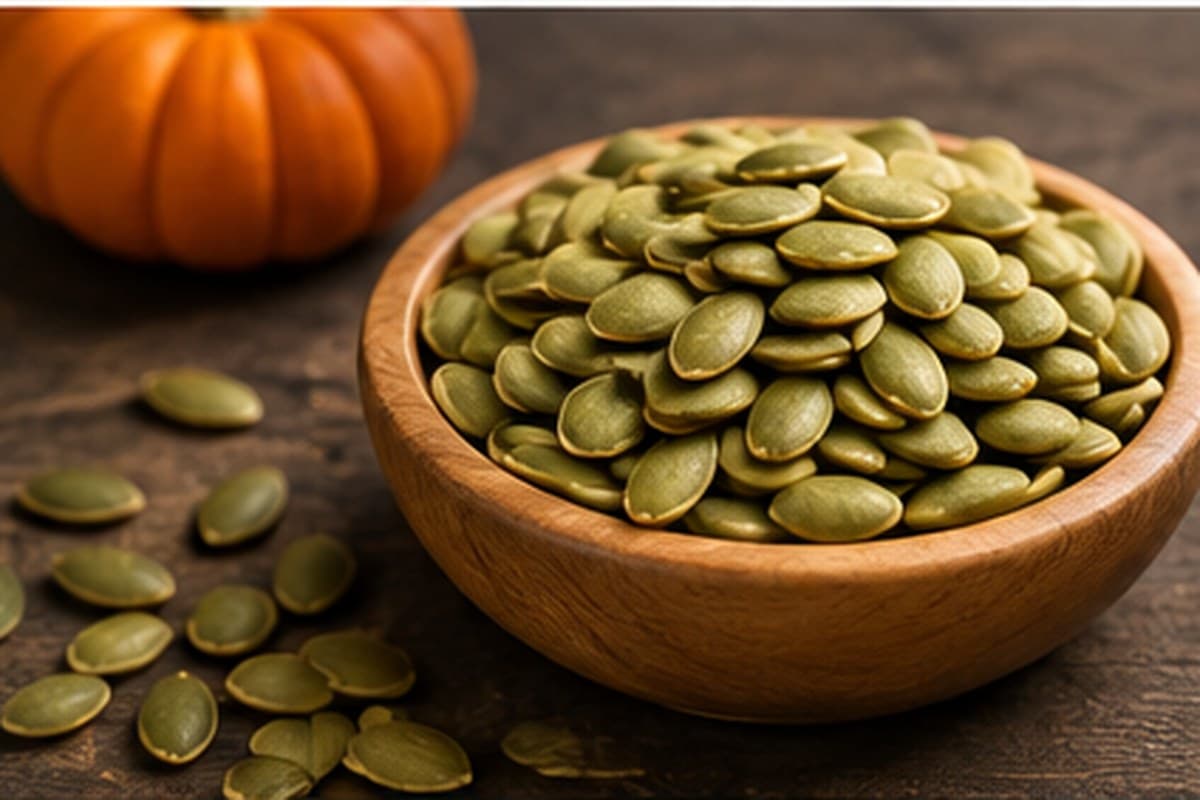
Pumpkin seeds are nutrient-dense seeds containing iron, magnesium, zinc, protein, and healthy fats.
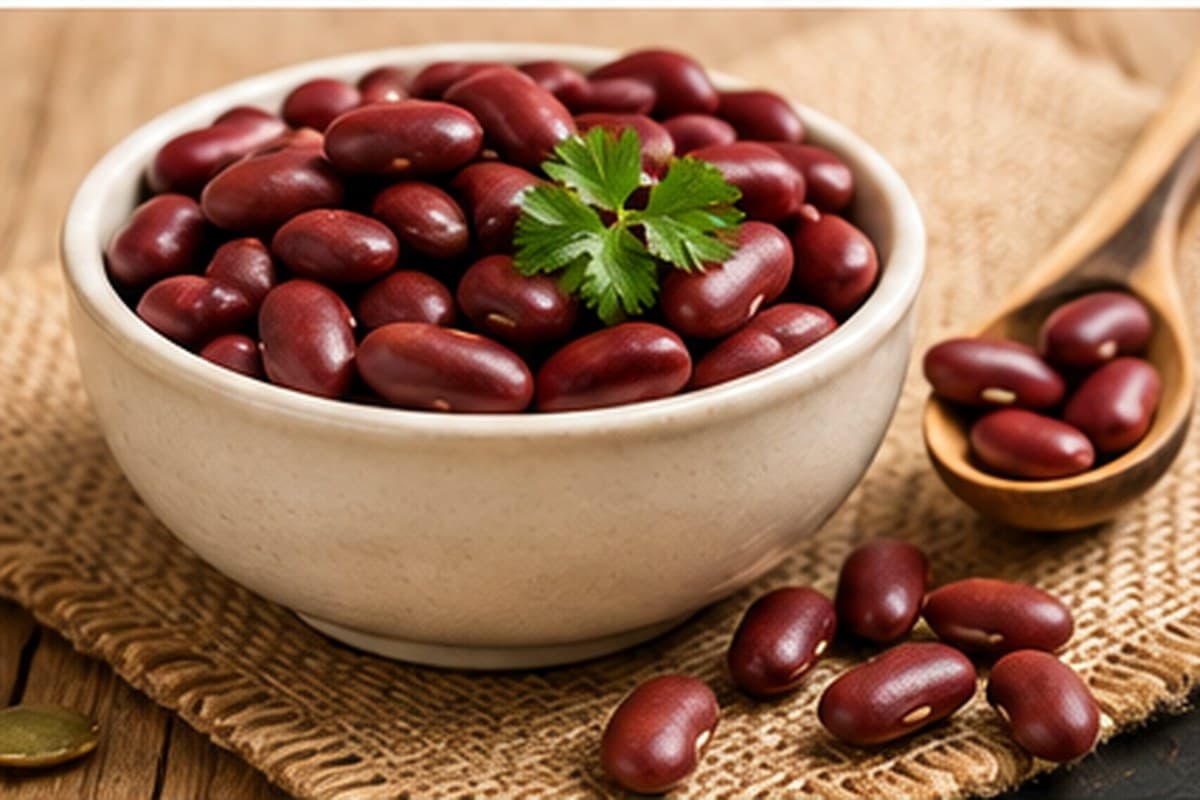
Beans provide plant-based iron, fiber, folate, protein, and other nutrients that can contribute to a balanced diet.
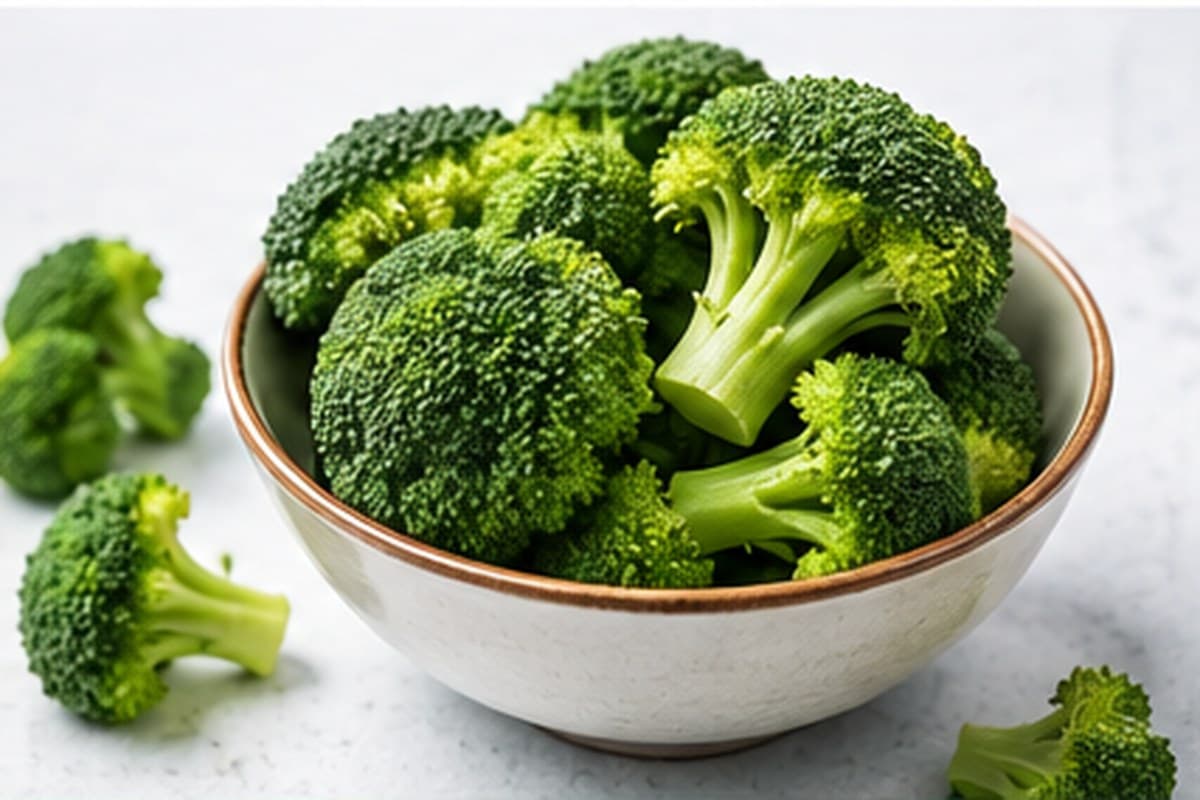
Broccoli provides vitamin C, fiber, folate, and other nutrients that support a varied and balanced diet.
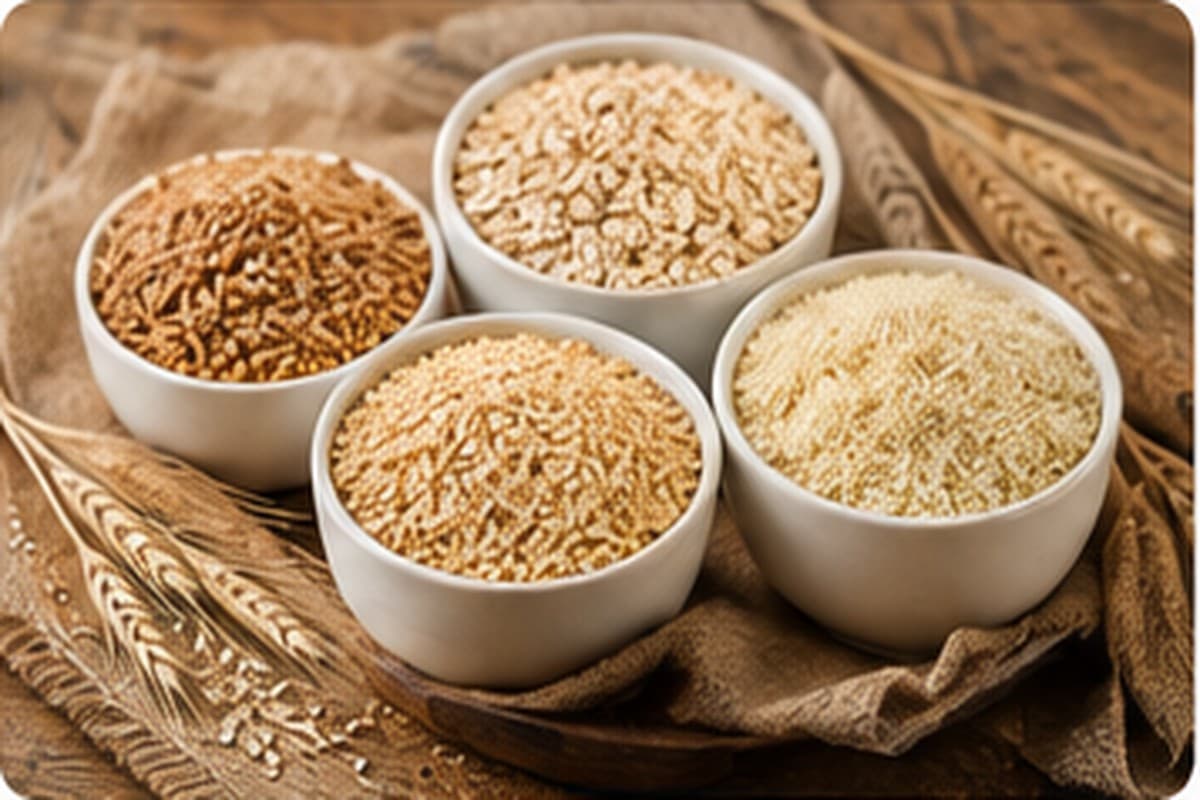
Whole grains contain the grain kernel and provide fiber, magnesium, B vitamins, and other nutrients.
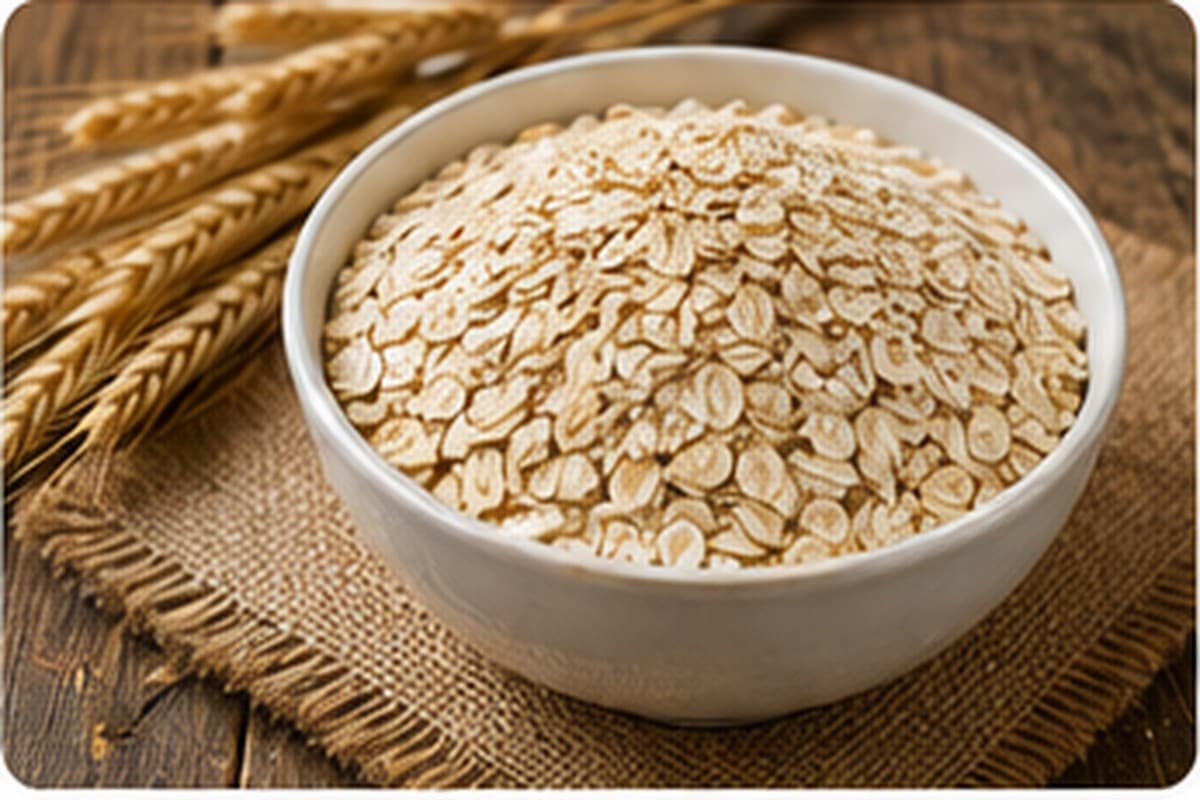
Oats are whole grains that provide fiber, magnesium, iron, protein, and other nutrients.
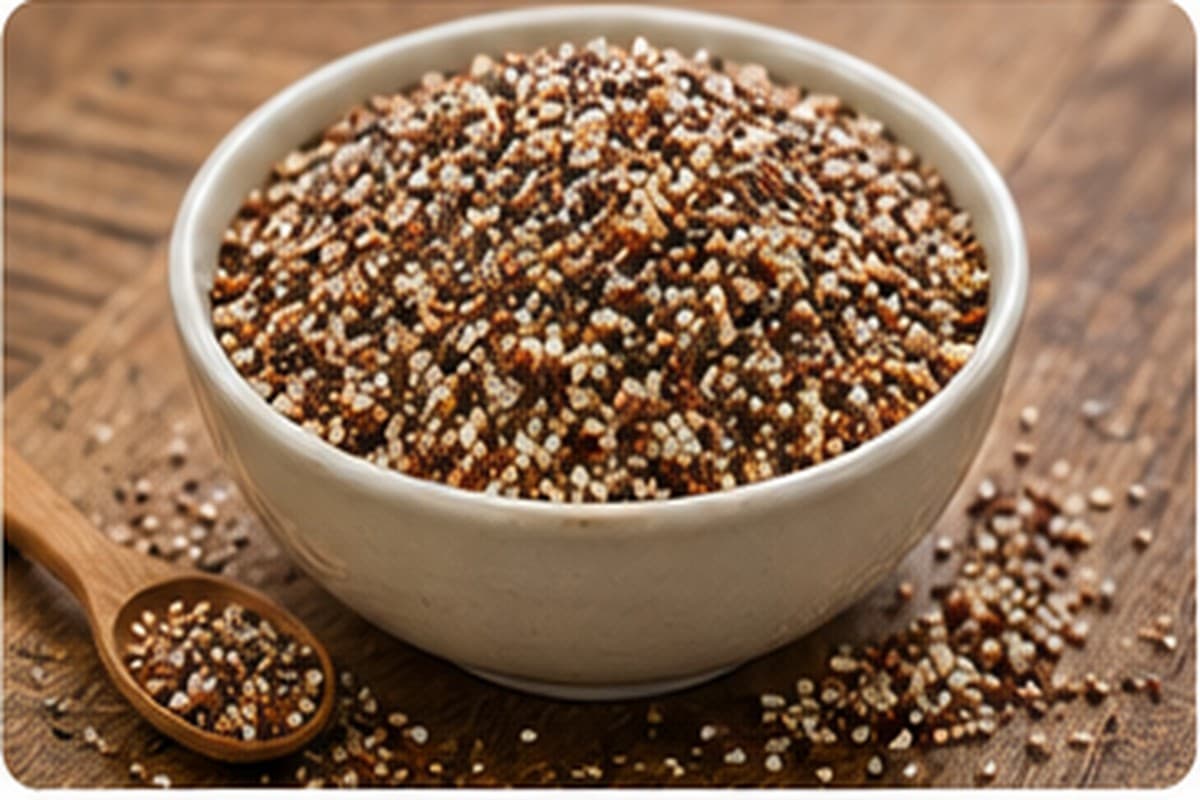
Quinoa is a nutrient-rich seed commonly used as a grain and provides protein, fiber, iron, magnesium, and other nutrients.
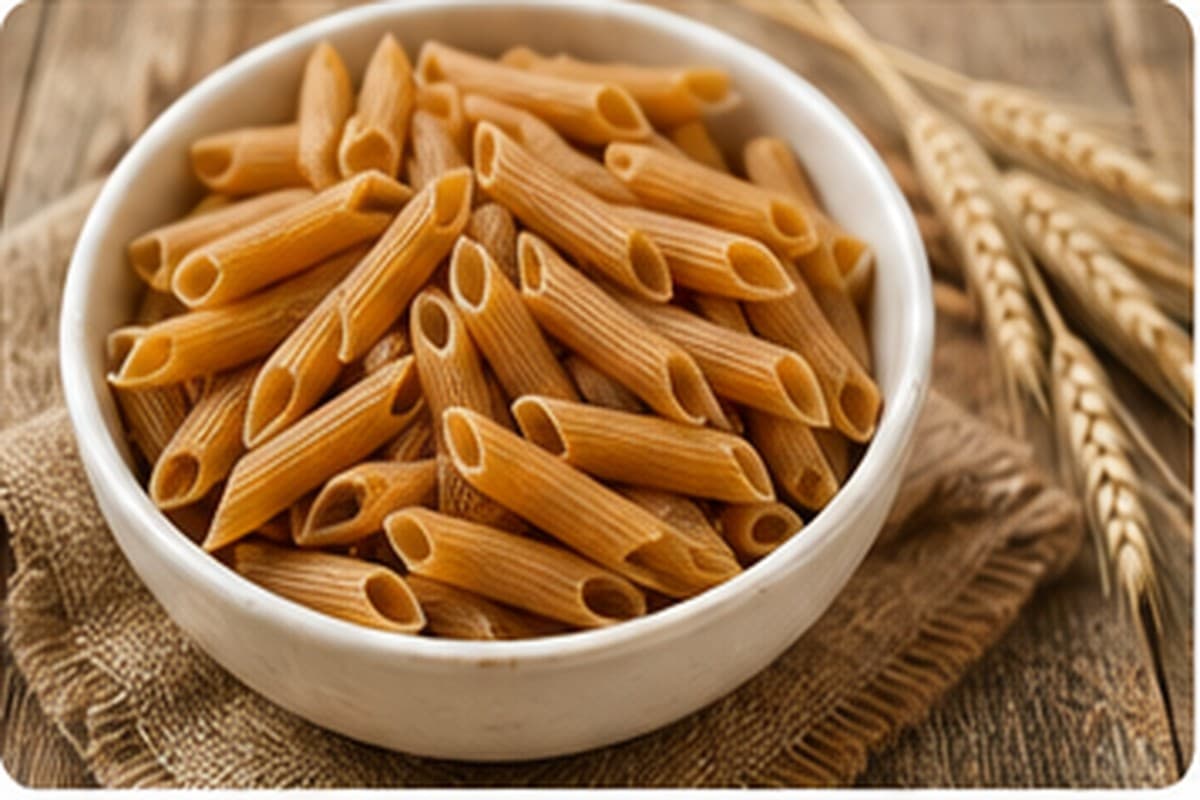
Whole wheat pasta is made from whole-grain wheat and provides fiber, B vitamins, iron, and other nutrients.
Symptoms that may be associated with inadequate Iron intake.
8 mg (Adult Men), 18 mg (Adult Women)
Individual requirements can vary based on age, sex, life stage, and other factors.
Discover recipes that provide Iron.
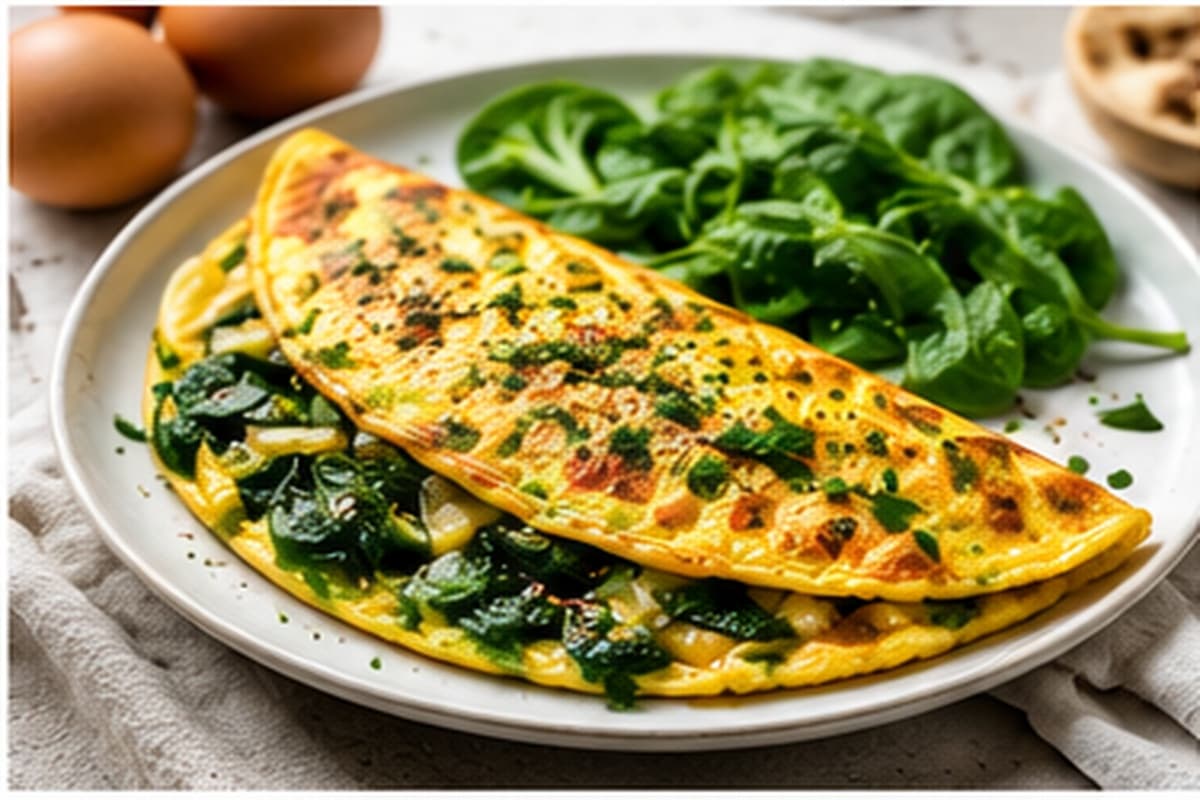
A simple protein-rich omelette made with spinach and eggs, providing iron, protein, vitamin B12, and folate.
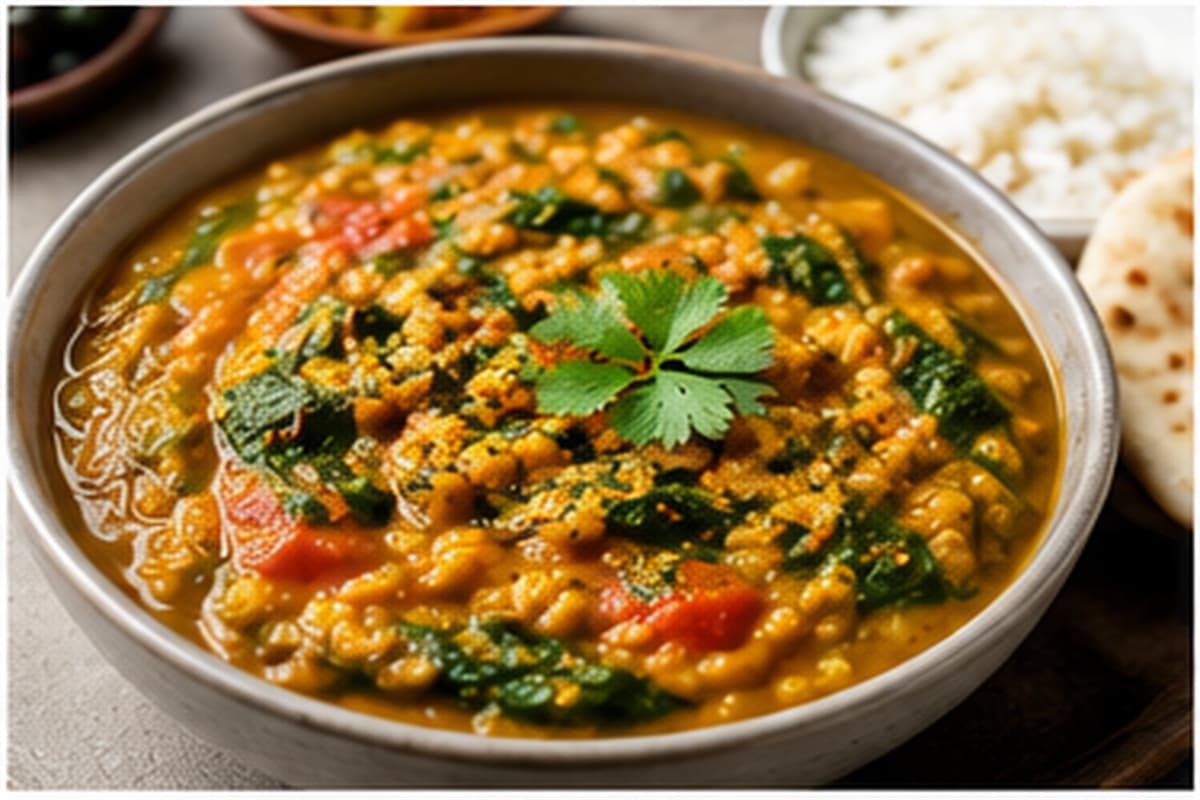
A nutritious combination of lentils and spinach providing plant-based iron, protein, fiber, and folate.
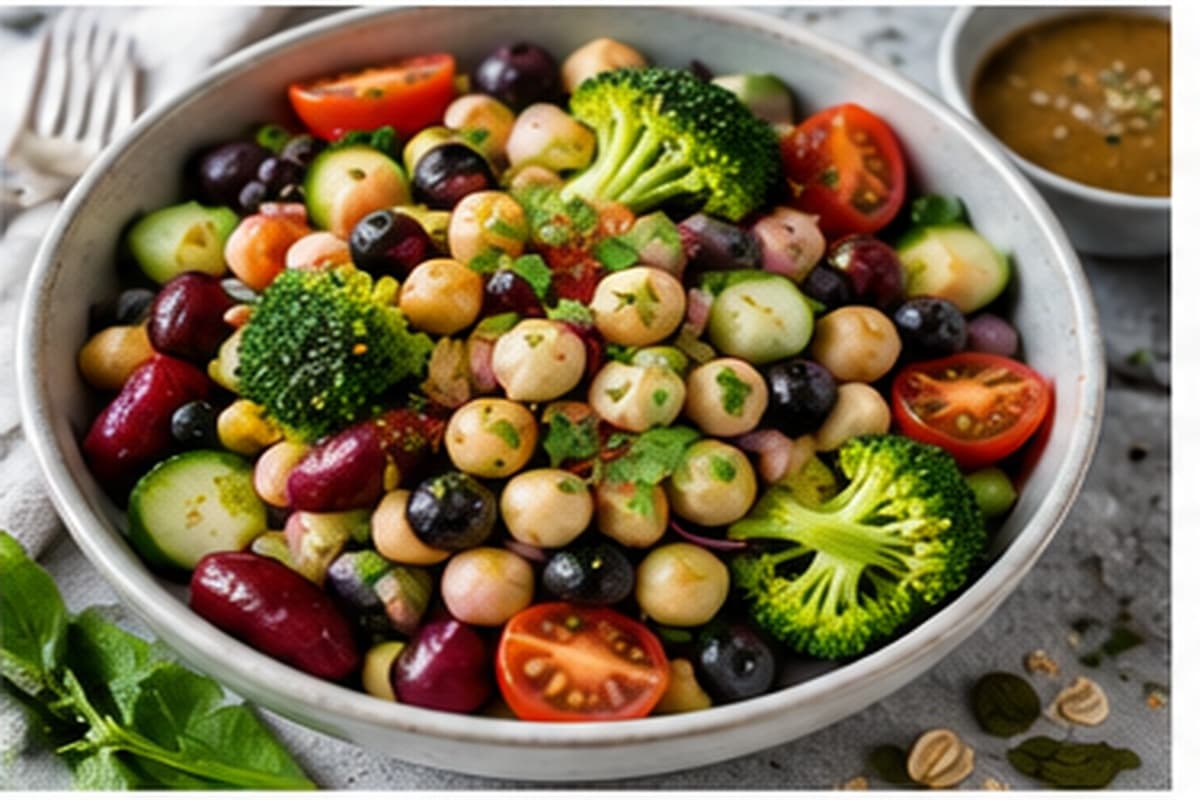
A fresh bean salad combining beans and vegetables for iron, fiber, folate, and vitamin C.
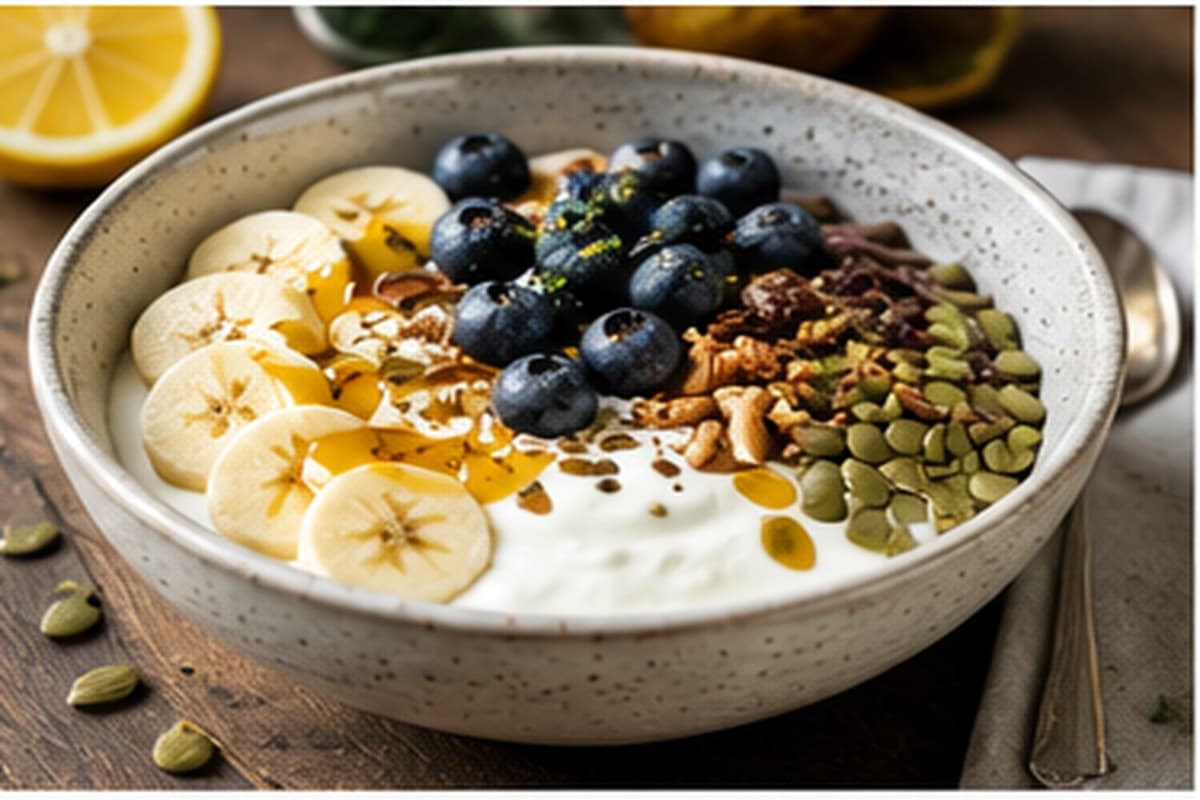
A nutrient-dense bowl featuring pumpkin seeds, yogurt, and fruit for protein, iron, magnesium, and sustained energy.
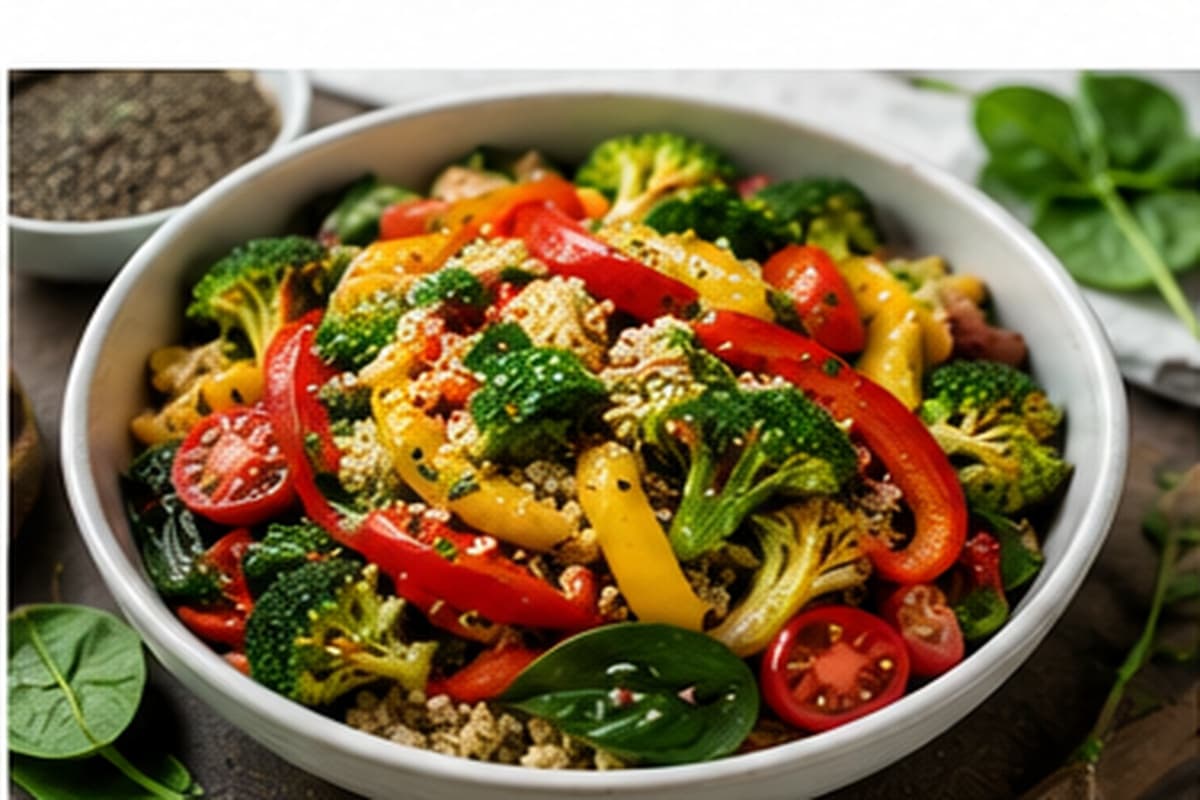
A balanced quinoa bowl with vegetables providing plant protein, iron, magnesium, fiber, and vitamin C.
Explore nutrition-related topics connected with Iron.
Low iron levels causing fatigue and weakness.
Nutrition linked to healthy hair growth.
Find nutritional causes behind tiredness.
Learn about nutritional factors that may contribute to weakness and low energy.
Learn about nutritional factors that support healthy hemoglobin levels.
Explore nutrition guides related to Iron, its food sources, benefits, and related nutrition topics.
Learn what iron deficiency is, common symptoms and causes, iron-rich foods, and how vitamin C supports iron absorption.
Discover the best iron-rich foods, including lean red meat, lentils, beans, spinach, and pumpkin seeds, plus tips for improving iron absorption.
Learn how vitamin C supports iron absorption, which foods provide vitamin C, and how to pair vitamin C-rich foods with plant-based sources of iron.
Learn about common signs of low iron levels, possible iron deficiency symptoms, iron-rich foods, and when to discuss your concerns with a healthcare professional.
Discover iron-rich foods for vegetarians, including lentils, beans, spinach, pumpkin seeds, oats, and quinoa, plus tips for supporting iron absorption.
Learn which foods can help improve iron absorption, including vitamin C-rich foods that can be paired with plant-based sources of iron.
Learn how iron deficiency can be related to low hemoglobin and explore nutrients and foods that support healthy red blood cell production.
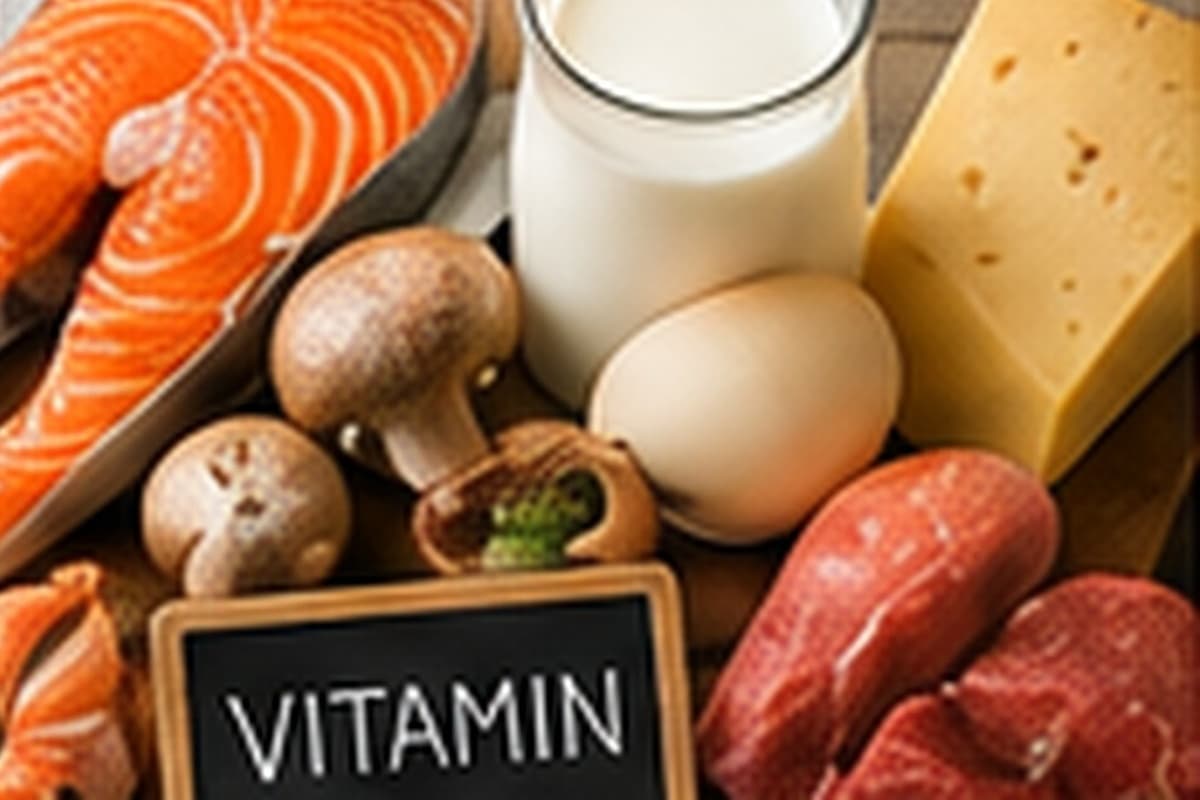
Discover vitamin B12-rich foods including eggs, milk, yogurt, cheese, fish, salmon, and lean red meat that can contribute to dietary vitamin B12 intake.

Learn about common symptoms associated with vitamin B12 deficiency, including fatigue, weakness, numbness, and memory problems.
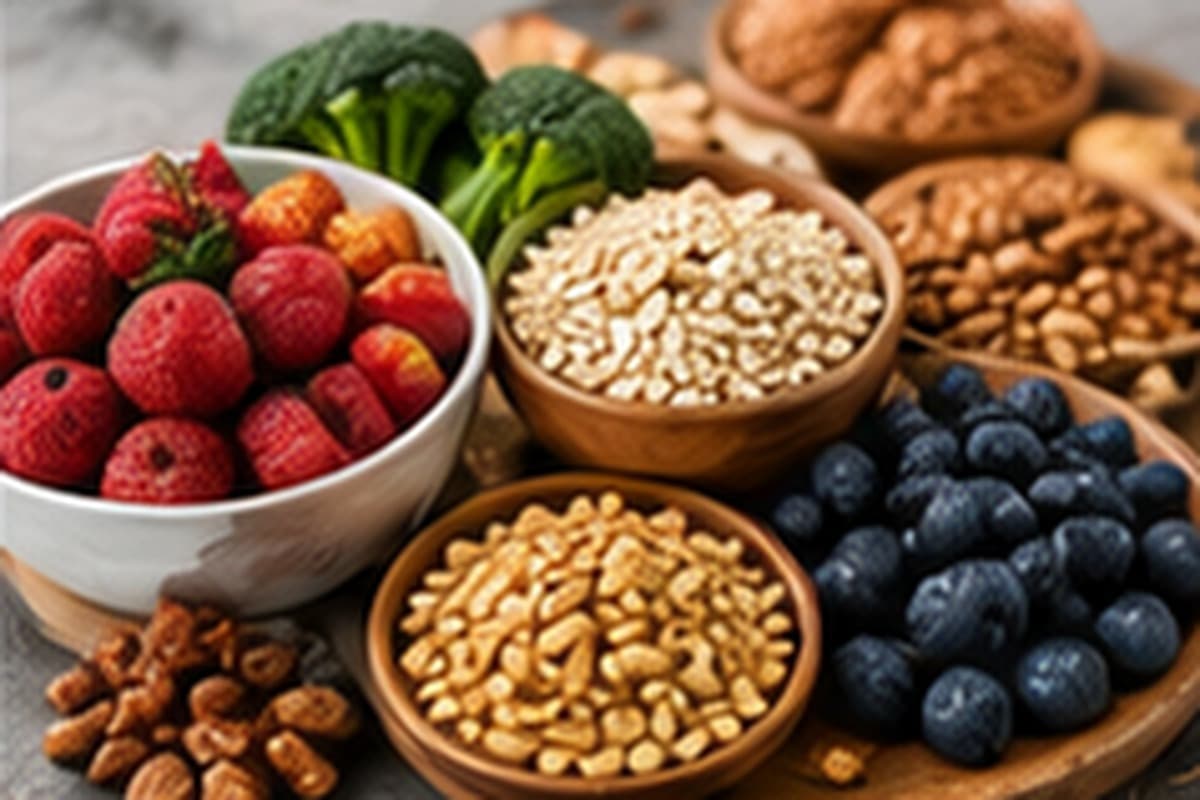
Discover high fiber foods including lentils, beans, oats, whole grains, brown rice, quinoa, fruits, berries, vegetables, and whole wheat foods.
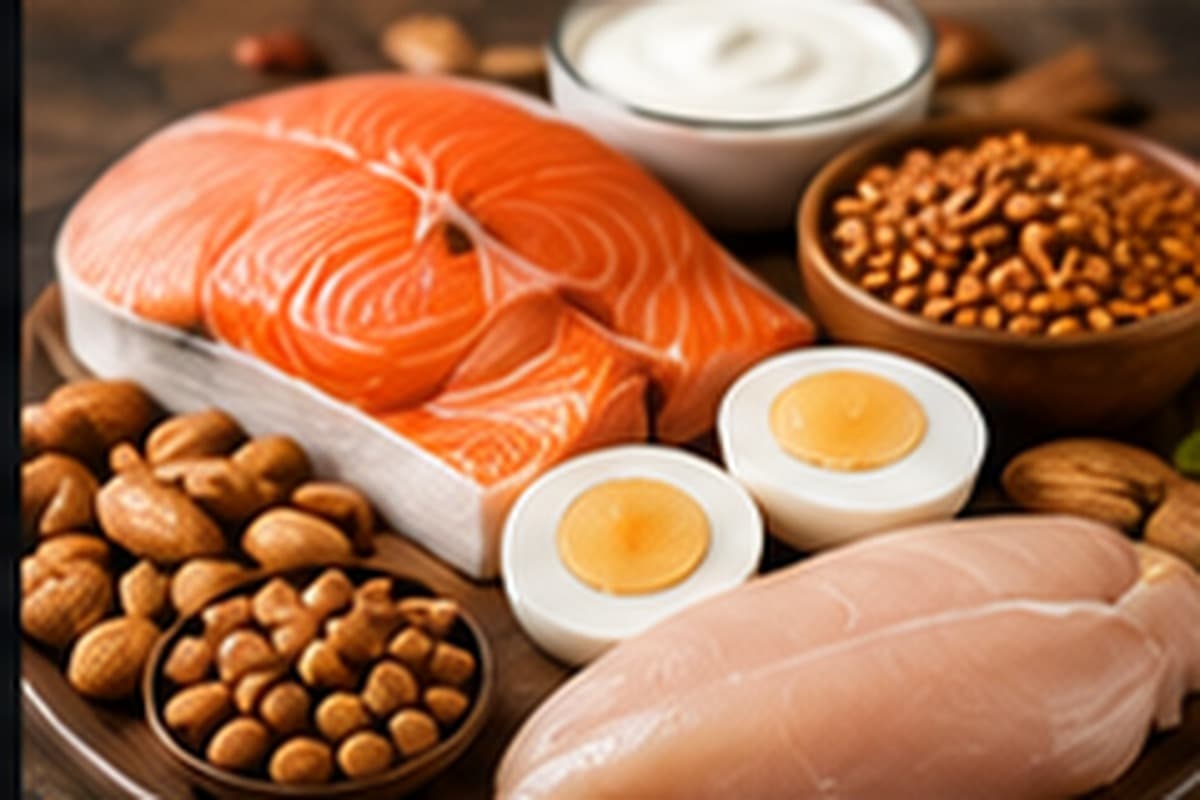
Discover protein-rich foods including eggs, lentils, beans, fish, lean red meat, Greek yogurt, nuts, quinoa, and other nutritious protein sources.
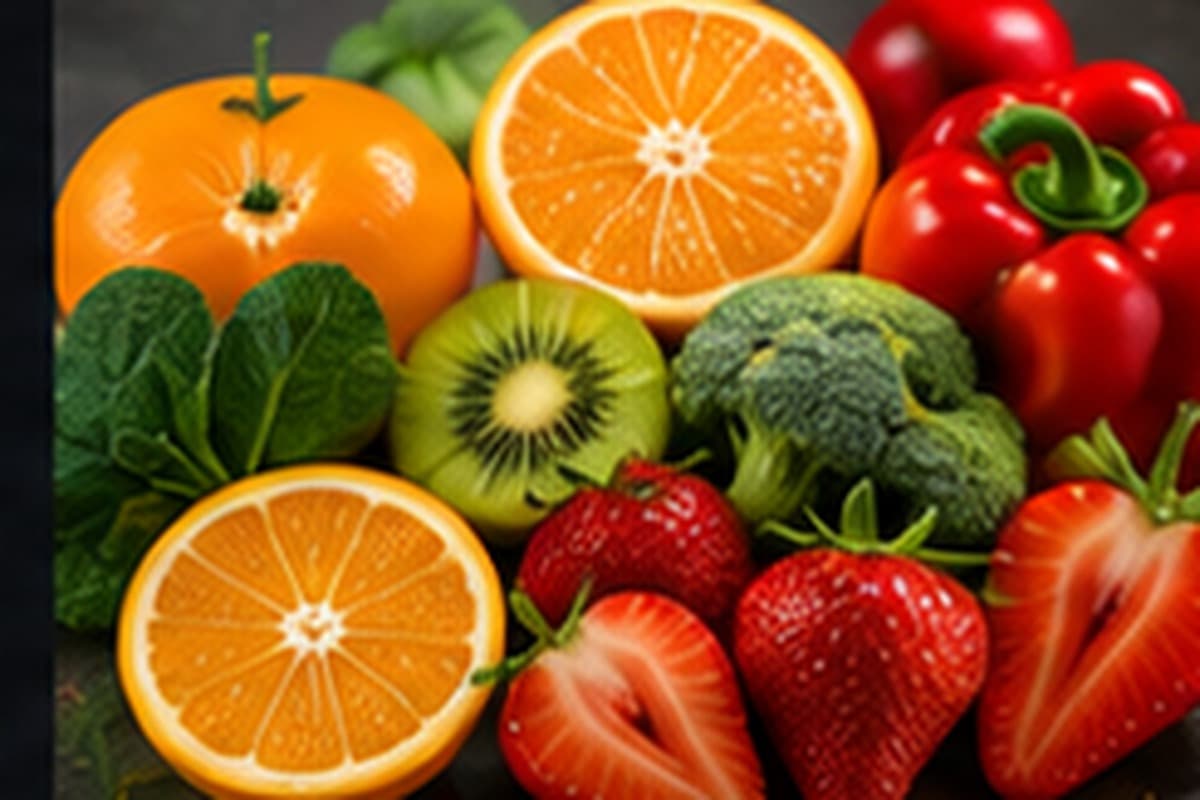
Discover vitamin C-rich foods including oranges, kiwi, strawberries, broccoli, bell peppers, berries, and other fruits and vegetables.
Learn about vitamin B12-rich foods including eggs, milk, yogurt, fish, salmon, lean red meat, cheese, and other food sources.
Discover zinc-rich foods including pumpkin seeds, nuts, lean red meat, beans, lentils, cheese, and other nutritious foods.
Explore nutritious foods from vegetables, fruits, legumes, whole grains, dairy, fish, nuts, and other food groups for a varied balanced diet.
Learn practical healthy eating principles including food variety, balanced meals, whole grains, vegetables, fruits, protein, and nutrient-rich foods.
Learn how to understand food nutrition information, including nutrients, protein, fiber, vitamins, minerals, and nutritional value.
Explore nutritious foods commonly used in Indian meals, including lentils, beans, whole grains, vegetables, fruits, nuts, seeds, and dairy foods.
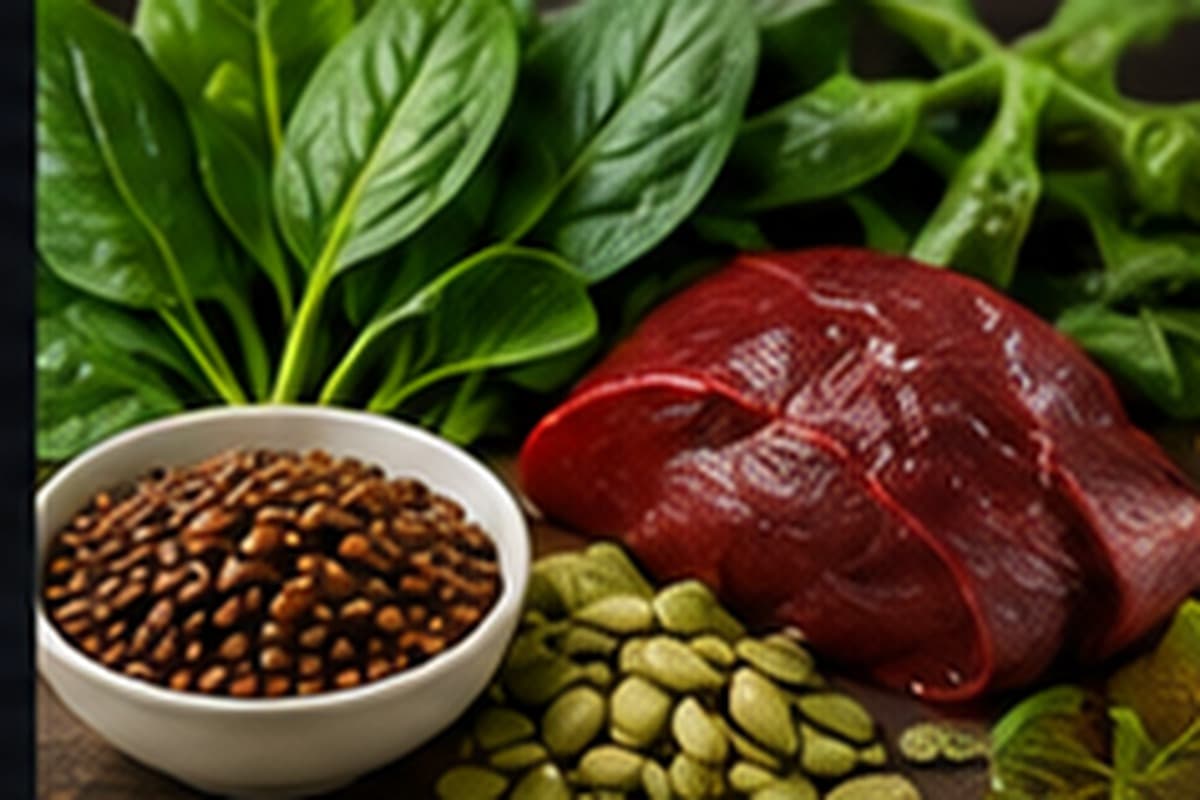
Explore iron-rich foods including lean red meat, lentils, beans, spinach, pumpkin seeds, oats, quinoa, and other foods that can contribute to dietary iron intake.
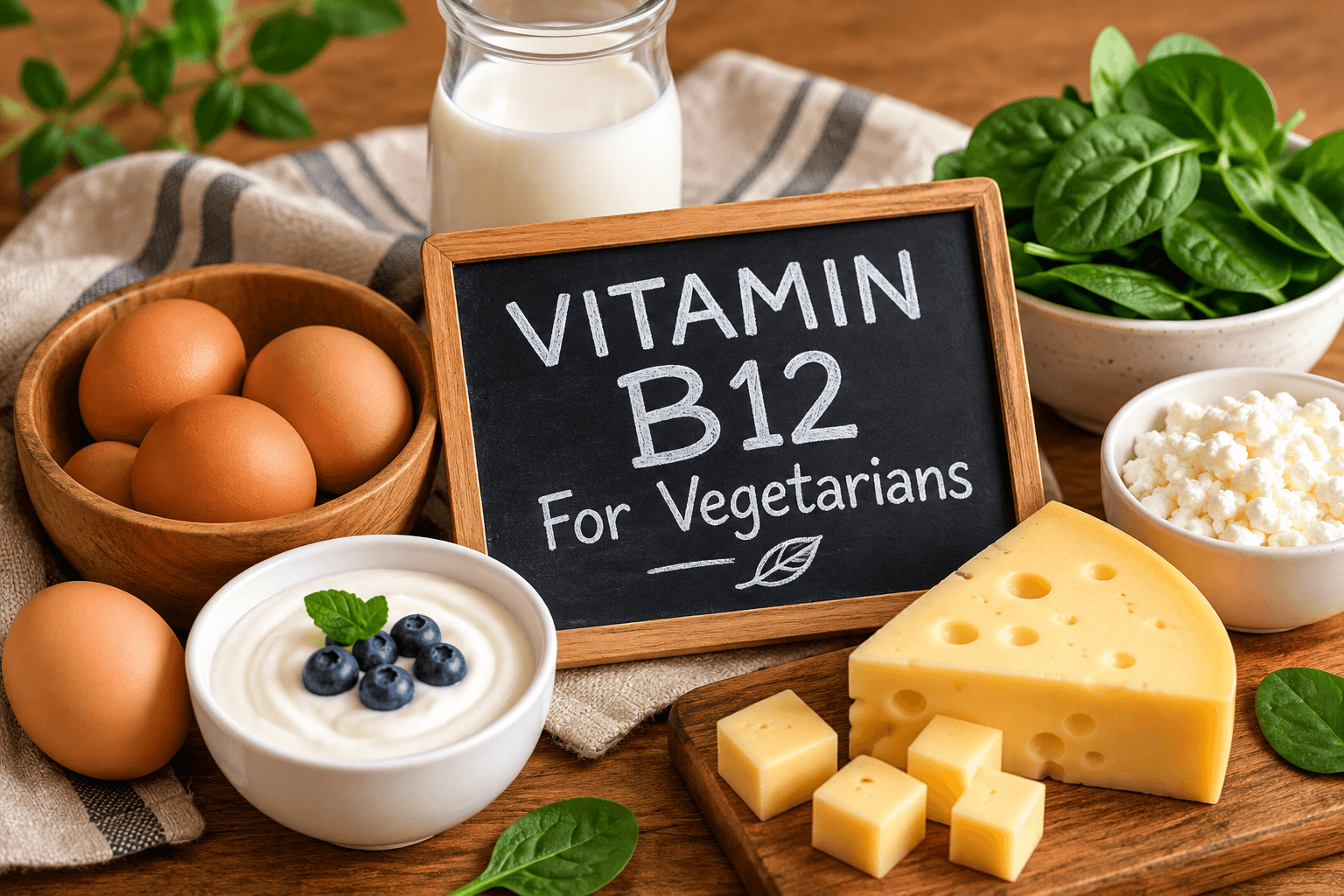
Discover vitamin B12 foods for vegetarians, including milk, yogurt, cheese, eggs, and fortified foods, plus practical tips for meeting B12 needs.
NutriCompass provides general nutrition information for educational purposes. Nutrient requirements can vary between individuals, and this information should not be used to diagnose or treat a medical condition. Speak with a qualified healthcare professional for personalized advice.