🥗
Loading NutriCompass
Preparing your nutrition information...
Preparing your nutrition information...
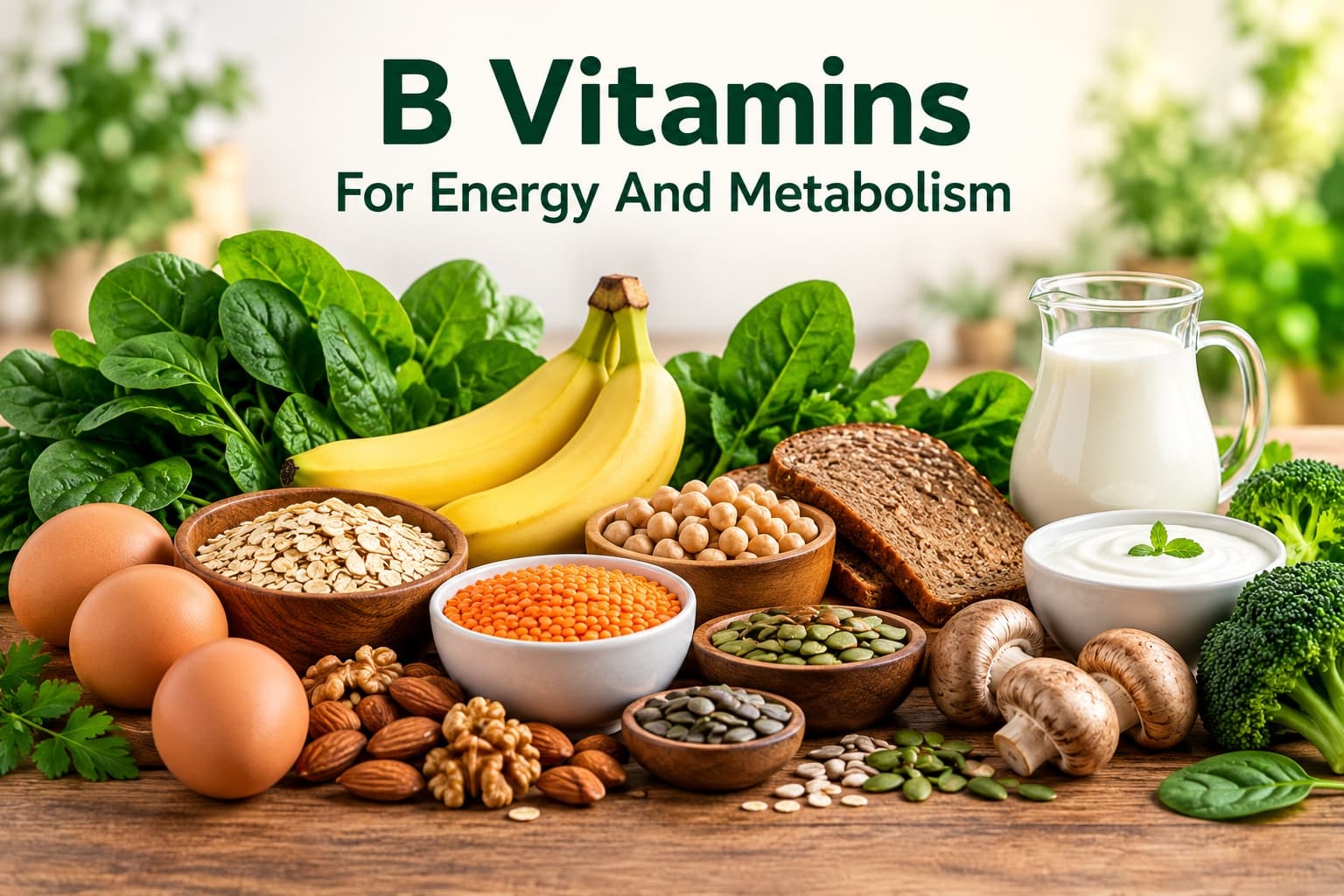
B vitamins are a group of essential vitamins that help support energy metabolism, nervous system function, and normal cell processes.
A quick look at the key nutrition information for B Vitamins.
Requirements Vary By Individual B Vitamin
8 Food Sources
4 Key Benefits
4 Symptoms
How B Vitamins supports normal health and nutrition.
Supports Energy Metabolism
Supports Normal Nervous System Function
Supports Red Blood Cell Formation
Supports Normal Cell Function
Explore foods that can provide B Vitamins.

Mushrooms provide B vitamins, selenium, and other nutrients. Some varieties can also provide vitamin D when appropriately exposed to UV light.
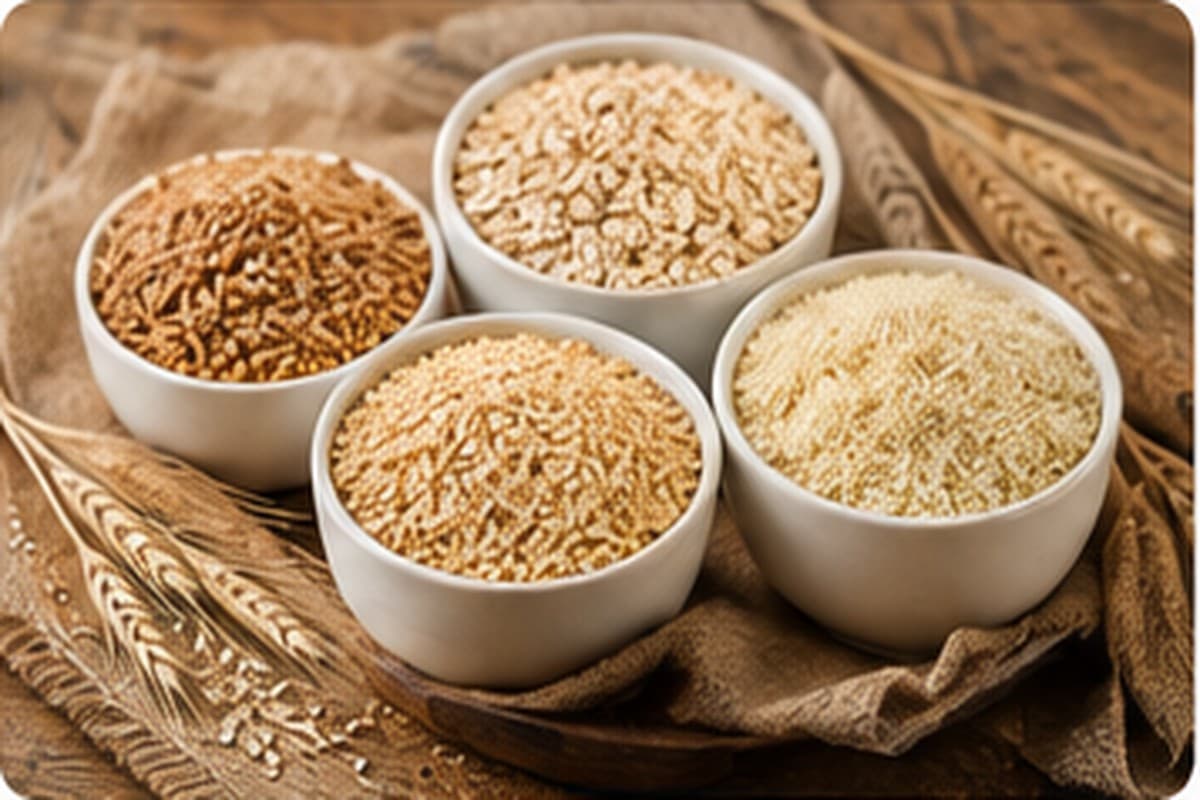
Whole grains contain the grain kernel and provide fiber, magnesium, B vitamins, and other nutrients.
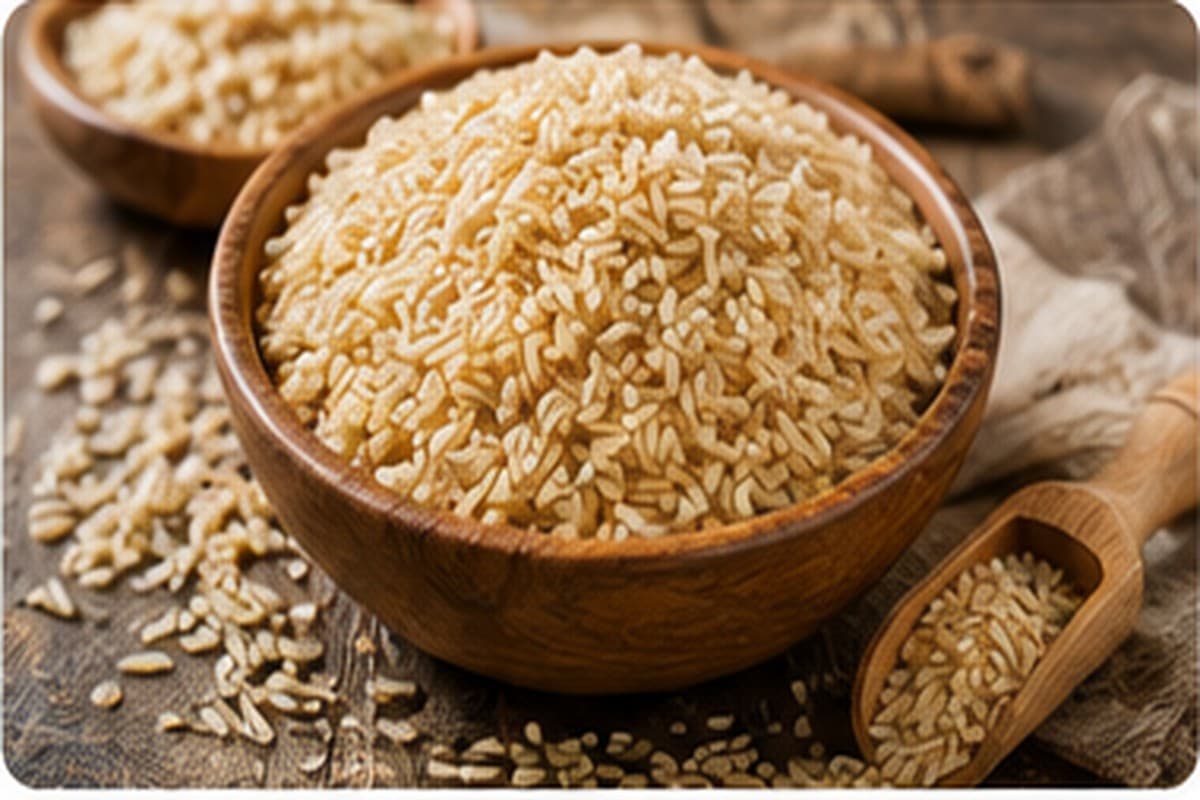
Brown rice is a whole grain that provides fiber, magnesium, B vitamins, and other nutrients.

Whole wheat pasta is made from whole-grain wheat and provides fiber, B vitamins, iron, and other nutrients.
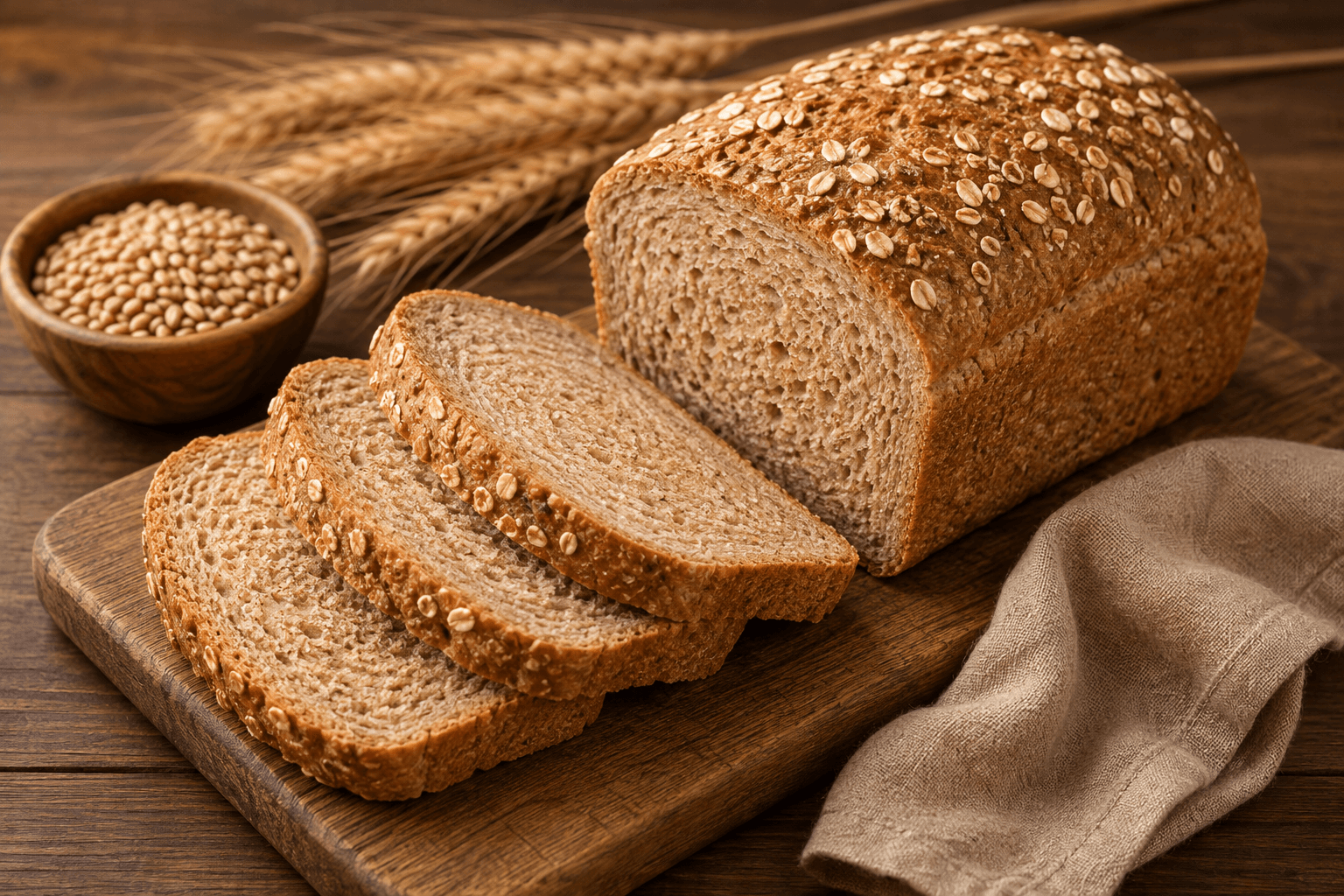
Whole wheat bread is made from whole grains and provides dietary fiber, B vitamins, and other nutrients that can contribute to a balanced diet.
Symptoms that may be associated with inadequate B Vitamins intake.
Requirements Vary By Individual B Vitamin
Individual requirements can vary based on age, sex, life stage, and other factors.
Discover recipes that provide B Vitamins.

A filling breakfast made with oats, banana, milk, and nuts providing fiber, magnesium, protein, and B vitamins.

Whole wheat toast topped with eggs and avocado for protein, healthy fats, fiber, and B vitamins.
NutriCompass provides general nutrition information for educational purposes. Nutrient requirements can vary between individuals, and this information should not be used to diagnose or treat a medical condition. Speak with a qualified healthcare professional for personalized advice.