Vitamin B12 Rich Foods
Discover vitamin B12-rich foods including eggs, milk, yogurt, cheese, fish, salmon, and lean red meat that can contribute to dietary vitamin B12 intake.
About This Topic
Vitamin B12-rich foods can help provide this essential nutrient as part of a balanced diet. Vitamin B12 is involved in normal red blood cell formation and nervous system function.
Best Foods Rich In Vitamin B12
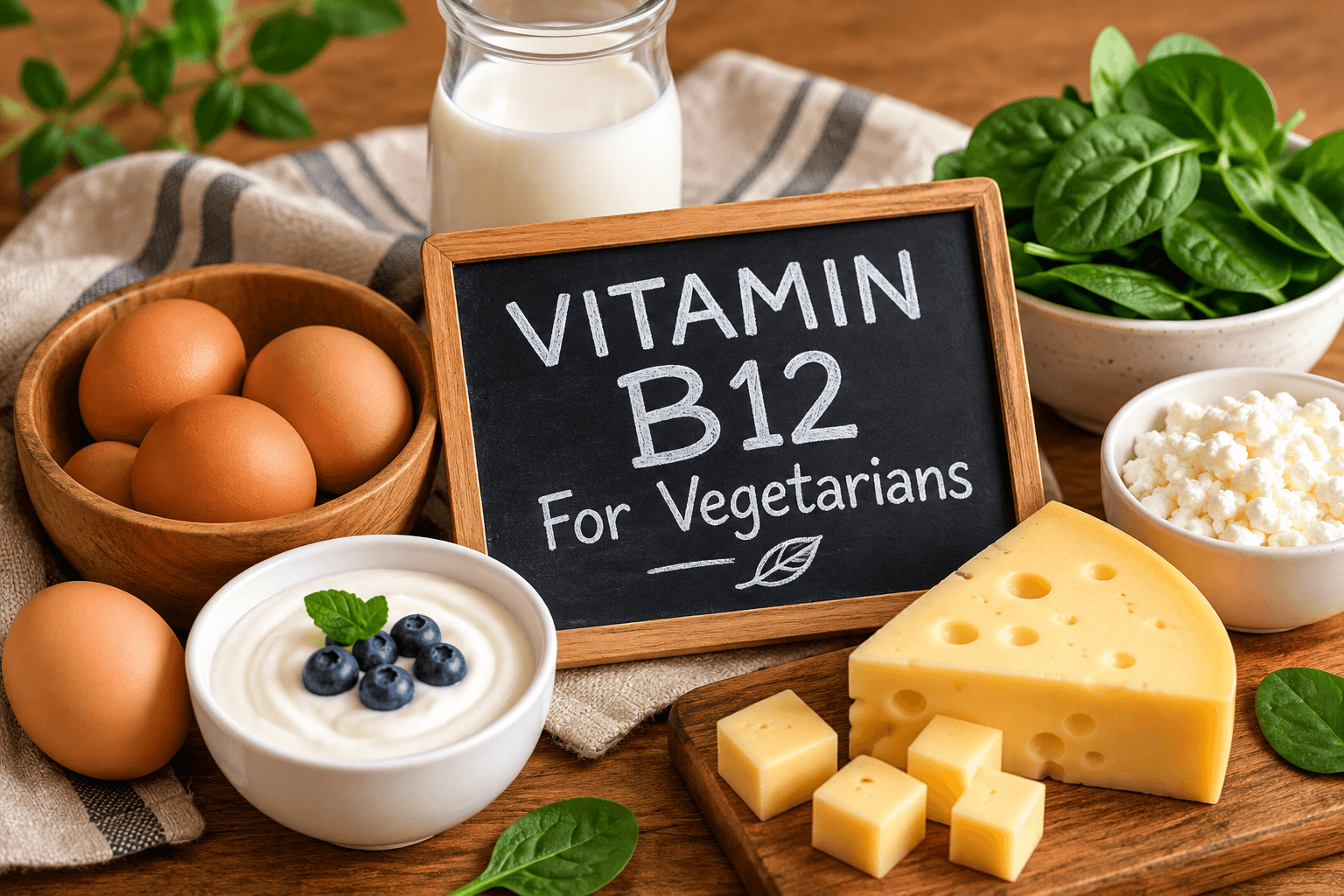
Foods that can contribute vitamin B12 include eggs, milk, yogurt, cheese, fish, salmon, and lean red meat.
Why Vitamin B12 Is Important
Vitamin B12 supports normal red blood cell formation and nervous system function. Getting adequate nutrients through a varied diet is an important part of overall nutritional health.
Eggs And Dairy Foods
Eggs, milk, yogurt, and cheese can contribute vitamin B12 to the diet.
These foods can be included in a variety of balanced meals depending on individual dietary preferences.
Fish And Seafood Sources
Fish and salmon are additional foods that can contribute vitamin B12.
Lean Red Meat
Lean red meat can provide vitamin B12 along with other nutrients, including iron.
This makes lean red meat relevant to both Vitamin B12 and Iron nutrition.
Vitamin B12 And Iron
Vitamin B12 and iron are different nutrients, but both are relevant to normal red blood cell formation. Nutrition needs vary between individuals, so persistent symptoms should be evaluated appropriately.
Vitamin B12 Deficiency
Vitamin B12 Deficiency can be associated with symptoms such as fatigue, weakness, numbness, and memory problems. These symptoms can have many possible causes and should not be used to diagnose vitamin B12 deficiency on their own.
If you are concerned about your vitamin B12 status, speak with a qualified healthcare professional about appropriate testing and personalized advice.
Frequently Asked Questions About Vitamin B12 Foods
Which Foods Provide Vitamin B12?
Fish, salmon, lean red meat, eggs, milk, yogurt, and cheese can provide vitamin B12.
Why Is Vitamin B12 Important?
Vitamin B12 supports normal red blood cell formation and nervous system function.