Understanding Iron Deficiency
Learn what iron deficiency is, common symptoms and causes, iron-rich foods, and how vitamin C supports iron absorption.
About This Topic
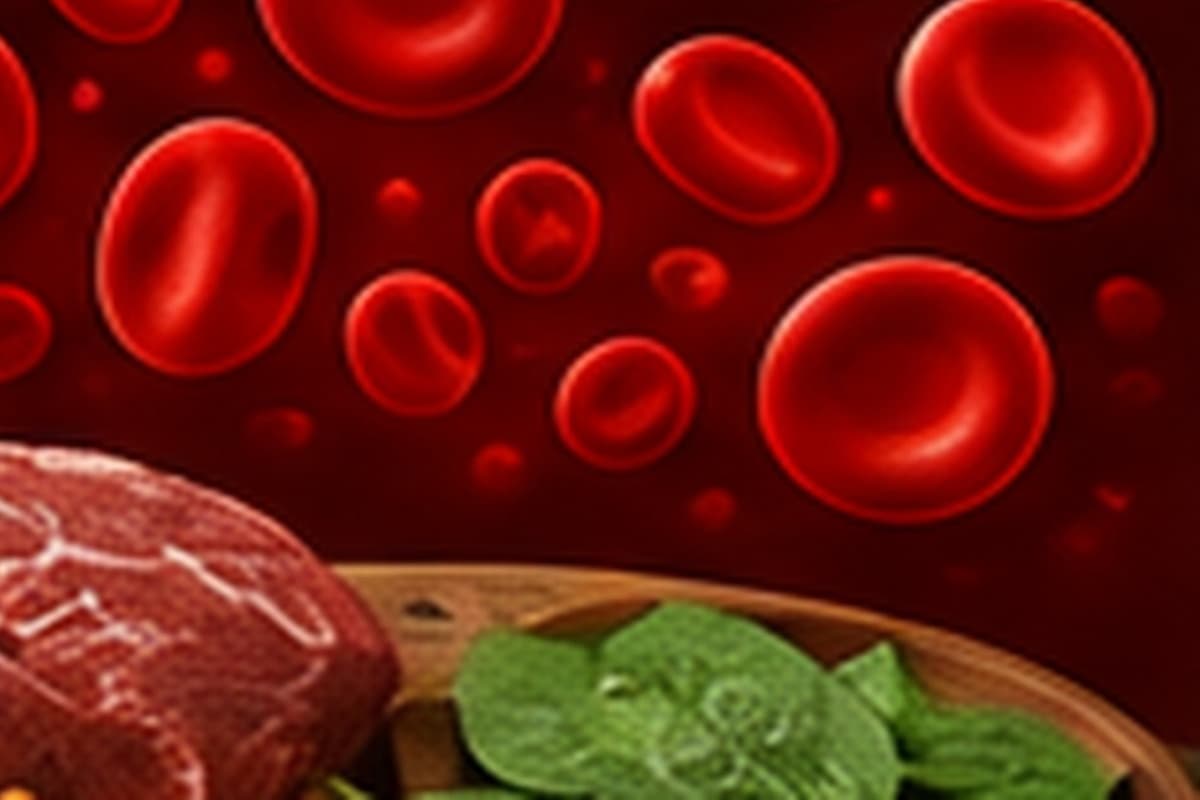
Iron deficiency occurs when the body does not have enough iron to support normal functions such as producing hemoglobin and transporting oxygen throughout the body. Iron is an essential mineral that plays an important role in normal energy and blood health.
What Is Iron Deficiency?
Iron deficiency can develop when the body does not get enough iron from food, cannot absorb enough iron, or loses iron faster than it can replace it. Low iron levels can have several possible causes, and persistent concerns should be evaluated by a qualified healthcare professional.
Iron Deficiency Symptoms
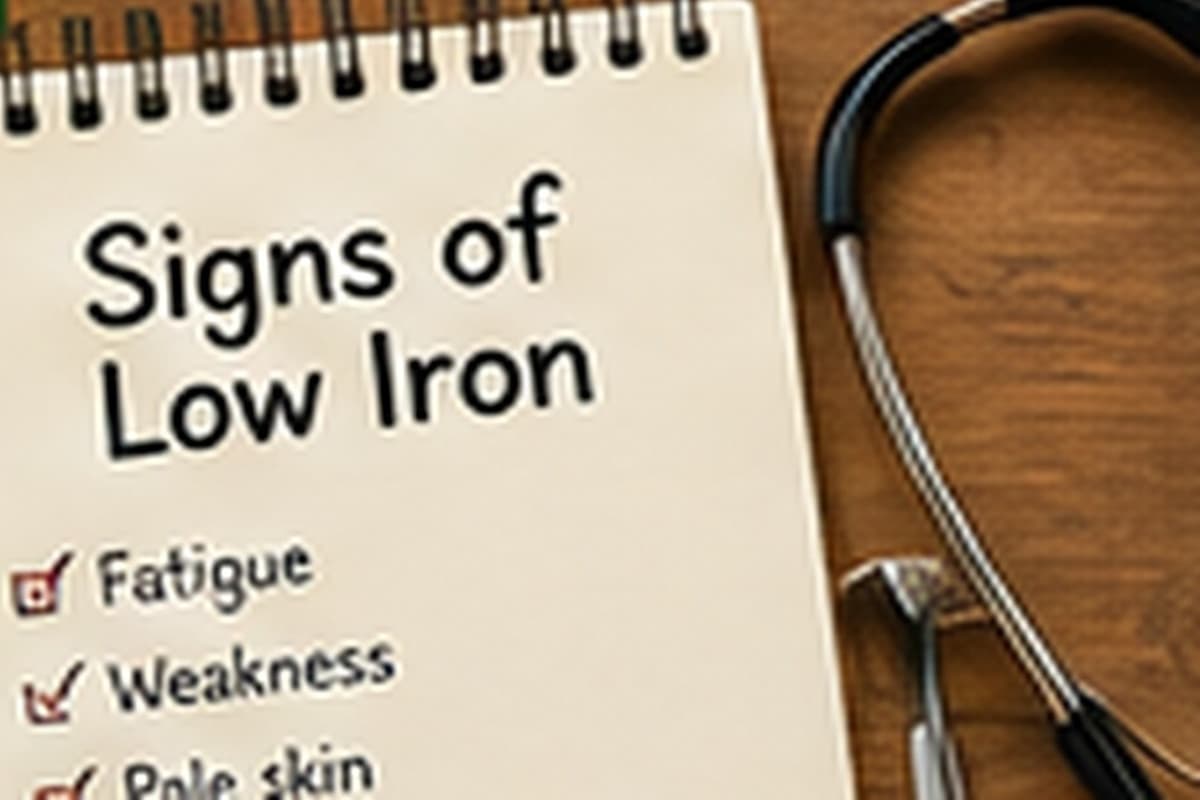
Common signs associated with low iron levels may include fatigue, weakness, dizziness, pale skin, cold hands and feet, and shortness of breath.
These symptoms can have many possible causes and should not be used to diagnose iron deficiency on their own. If symptoms are persistent or concerning, speak with a qualified healthcare professional about appropriate evaluation.
Iron-Rich Foods
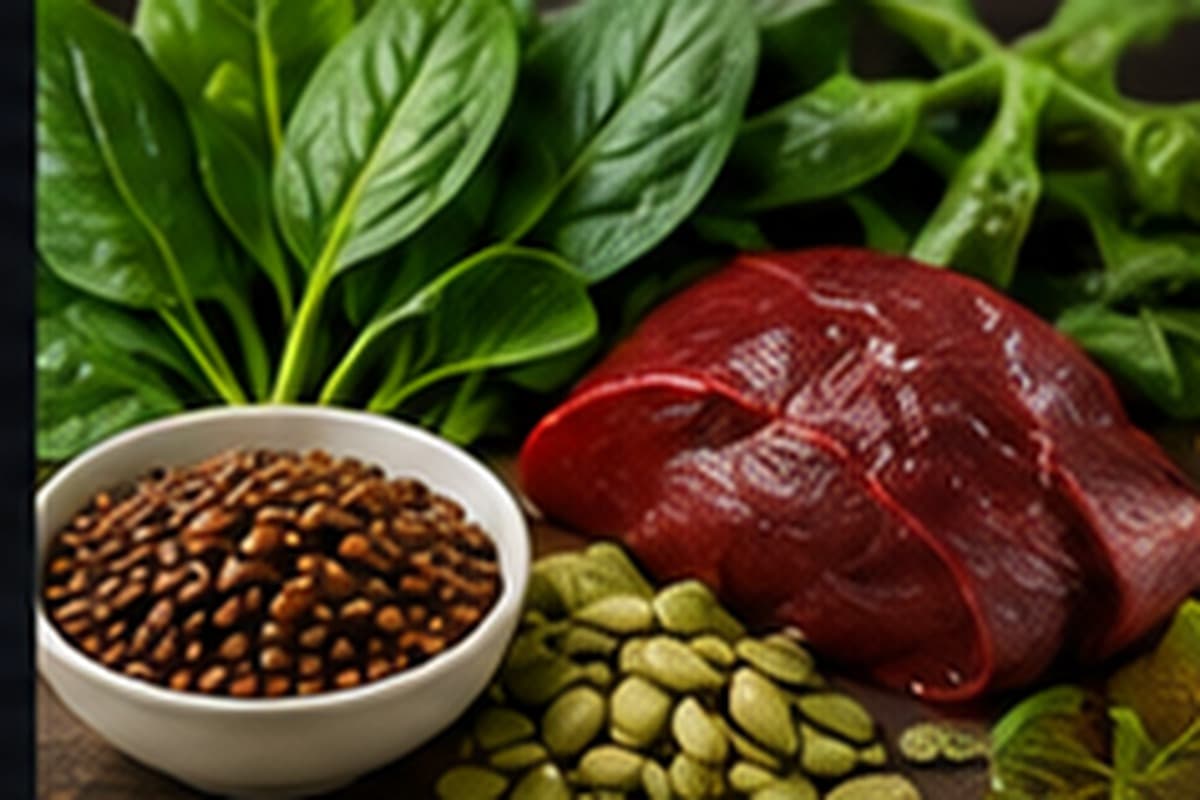
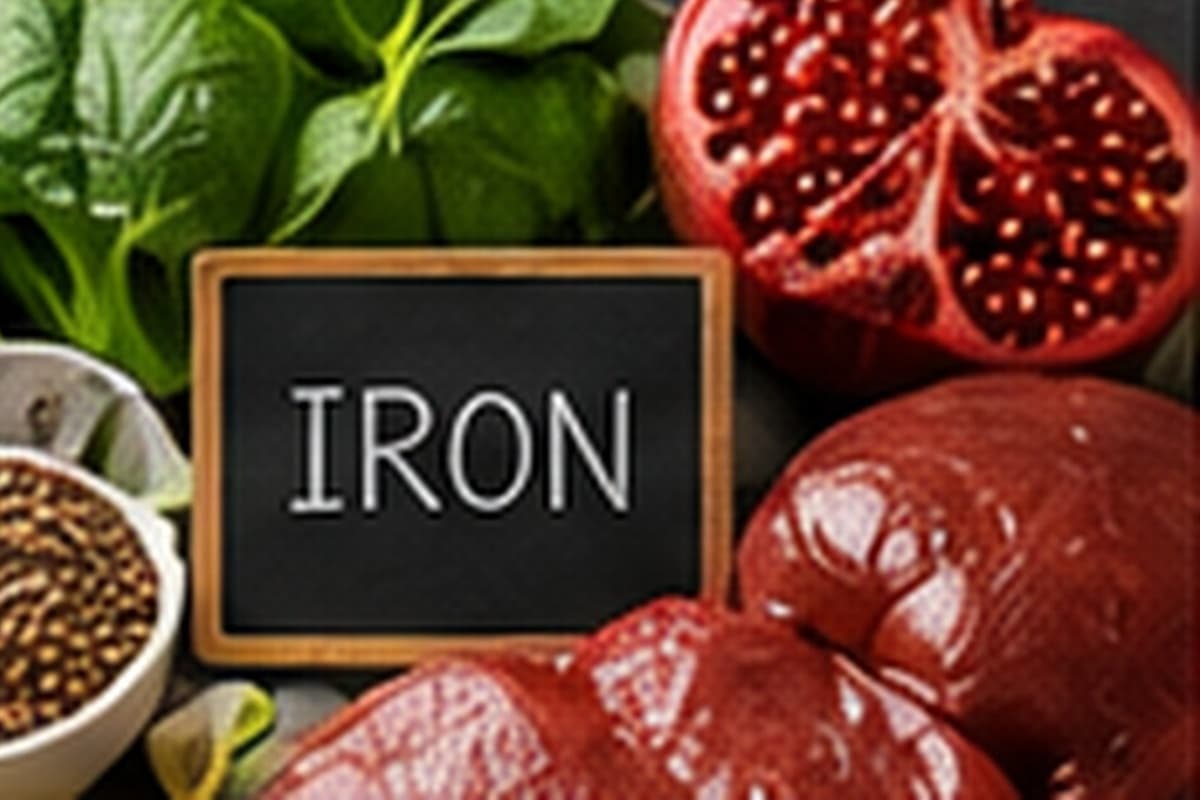
A balanced diet can provide iron through a variety of foods. Examples include lean red meat, lentils, beans, spinach, and pumpkin seeds.
Lean red meat provides heme iron, while plant-based foods provide non-heme iron. Including a variety of iron-containing foods can help support adequate nutritional intake.
Vitamin C And Iron Absorption
Vitamin C can help improve the absorption of non-heme iron from plant-based foods. Pairing vitamin C-rich foods with plant sources of iron can therefore be a useful part of a balanced eating pattern.
Foods such as broccoli, citrus fruits, strawberries, and bell peppers provide vitamin C. Combining these foods with options such as lentils, beans, or spinach can support the absorption of plant-based iron.
When To Seek Professional Advice
If you are concerned about your iron levels or have persistent symptoms such as fatigue or weakness, speak with a qualified healthcare professional about appropriate testing and personalized advice.
Nutrition information can support healthy eating, but symptoms alone should not be used to diagnose an iron-related condition.
Frequently Asked Questions About Iron Deficiency
What Are Common Iron Deficiency Symptoms?
Symptoms associated with iron deficiency anemia can include fatigue, weakness, shortness of breath, pale skin, headaches, and reduced energy. These symptoms can have other causes, so testing may be needed.
What Foods Are High In Iron?
Iron-containing foods include lean red meat, lentils, beans, spinach, pumpkin seeds, and fortified foods. Plant-based iron can be paired with vitamin C-rich foods to support absorption.
Can Iron Deficiency Cause Low Hemoglobin?
Iron deficiency can contribute to low hemoglobin because iron is required for hemoglobin production, although low hemoglobin can have other causes.