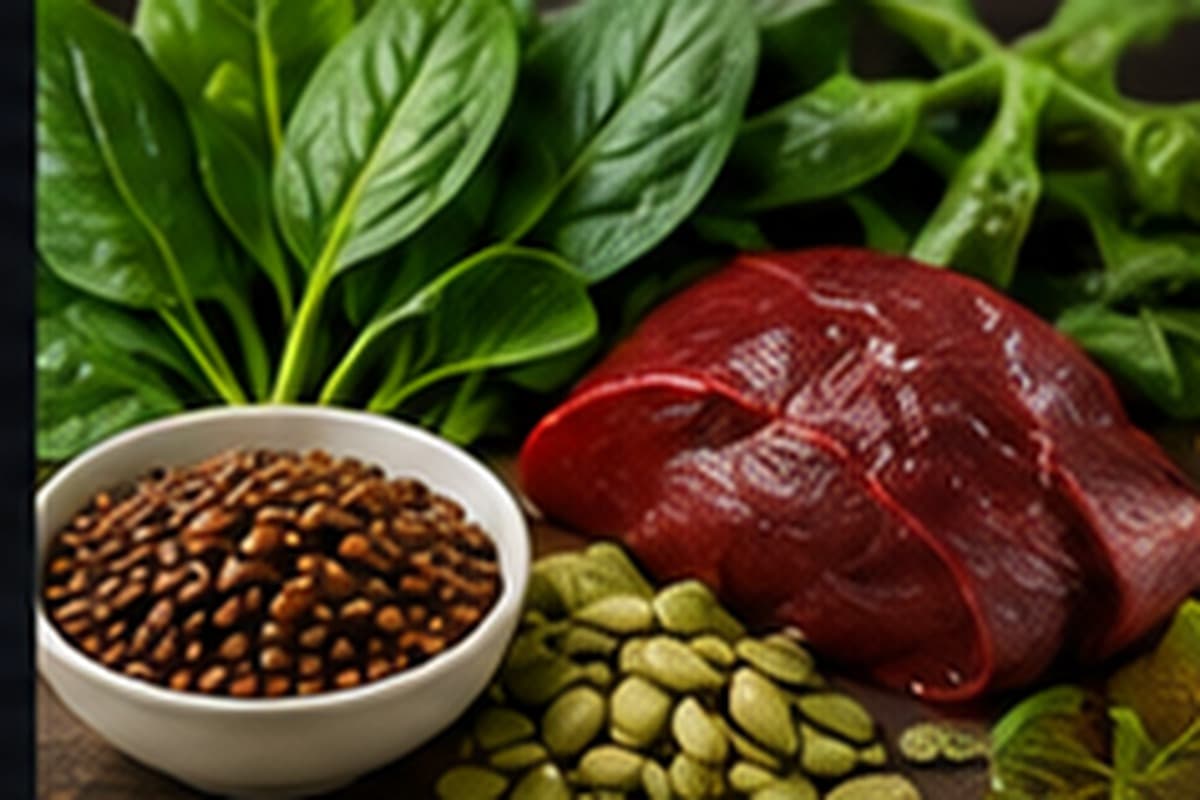
Iron Rich Foods: Best Food Sources Of Iron
Explore iron-rich foods including lean red meat, lentils, beans, spinach, pumpkin seeds, oats, quinoa, and other foods that can contribute to dietary iron intake.
About This Topic
Iron-rich foods can help provide iron as part of a varied and balanced diet. Iron is an essential mineral involved in normal hemoglobin production and oxygen transport.
Different foods provide different forms of iron. Animal-based foods generally provide heme iron, while plant-based foods generally provide non-heme iron.
Including a variety of iron-containing foods throughout the day can contribute to overall nutritional intake.
What Are Iron-Rich Foods?
Iron-rich foods are foods that contribute iron to the diet. They can include animal-based foods as well as plant-based foods.
Some foods that can contribute dietary iron include lean red meat, lentils, beans, spinach, pumpkin seeds, oats, and quinoa.
Best Iron-Rich Foods
There is no single best iron-rich food for everyone. Including a variety of foods can provide different nutrients and forms of iron.
Lean Red Meat
Lean red meat provides heme iron and can also contribute other nutrients such as protein and vitamin B12.
Lean red meat can be included as part of a varied eating pattern according to individual dietary preferences.
Lentils
Lentils are a plant-based source of non-heme iron. They can also provide protein and fiber and can be included in soups, curries, salads, and other balanced meals.
Beans
Beans can contribute non-heme iron along with protein, fiber, and other nutrients.
Beans can be used in soups, curries, salads, grain-based meals, and other dishes.
Spinach
Spinach is a leafy green vegetable that can contribute iron along with other nutrients.
Including spinach with other nutrient-rich foods can add variety to meals.
Pumpkin Seeds
Pumpkin seeds can contribute plant-based iron as well as other nutrients such as magnesium and healthy fats.
Oats
Oats can contribute iron, fiber, magnesium, and other nutrients. They can be included in breakfast meals, porridge, and other recipes.
Quinoa
Quinoa provides plant-based iron along with protein, fiber, magnesium, and other nutrients.
Heme Iron And Non-Heme Iron
Heme iron is found in animal-based foods such as lean red meat. Non-heme iron is found primarily in plant-based foods such as lentils, beans, spinach, oats, quinoa, and seeds.
Including different sources of iron can help provide dietary variety. The amount of iron absorbed by the body can vary depending on the type of iron and the foods eaten with it.
Iron-Rich Foods For Vegetarians
A vegetarian eating pattern can include a variety of foods that provide non-heme iron.
Useful options include lentils, beans, spinach, pumpkin seeds, oats, and quinoa.
Including different plant foods rather than relying on one food can help provide a broader range of nutrients.
For more information, see our detailed guide to Iron-Rich Foods For Vegetarians .
Vitamin C And Iron Absorption
Vitamin C can help improve the absorption of non-heme iron from plant-based foods.
Pairing foods such as lentils, beans, or spinach with vitamin C-rich foods can therefore be a useful part of a balanced eating pattern.
Learn more in our guide to Vitamin C And Iron Absorption .
Foods That Can Be Paired With Iron Sources
A simple meal-planning approach is to combine an iron-containing food with a variety of vegetables or fruits.
For example, lentils or beans can be combined with vegetables that provide vitamin C. Spinach, oats, and quinoa can also be included in varied meals.
Iron And Iron Deficiency
Iron is an essential nutrient involved in normal hemoglobin production and oxygen transport.
Inadequate iron intake is one possible factor associated with iron deficiency, but iron status can also be influenced by absorption, blood loss, life stage, and other factors.
Explore our Iron Deficiency page for additional nutrition-related information.
You can also read Understanding Iron Deficiency and Iron Deficiency And Low Hemoglobin .
How To Include More Iron-Rich Foods
Including different iron-containing foods throughout the week can help add nutritional variety to meals.
- Include legumes such as lentils and beans in regular meals.
- Add leafy greens such as spinach to meals.
- Include seeds such as pumpkin seeds where appropriate.
- Use oats or quinoa as part of balanced meals.
- Pair plant-based iron sources with vitamin C-rich foods.
- Choose a variety of nutrient-rich foods rather than relying on a single source.
How Much Iron Do You Need?
Iron requirements vary depending on factors such as age, sex, life stage, and individual circumstances. Because nutritional needs are different between people, specific requirements should be discussed with a qualified healthcare professional when appropriate.
If you are concerned about iron intake or have persistent symptoms, professional evaluation may be appropriate.
Frequently Asked Questions About Iron-Rich Foods
What Foods Are High In Iron?
Foods that can contribute iron include lean red meat, lentils, beans, spinach, pumpkin seeds, oats, quinoa, and other iron-containing foods.
What Are Good Iron-Rich Foods For Vegetarians?
Lentils, beans, spinach, pumpkin seeds, oats, and quinoa can contribute plant-based iron. Pairing these foods with vitamin C-rich foods can help support the absorption of non-heme iron.
Does Vitamin C Help Iron Absorption?
Vitamin C can help improve the absorption of non-heme iron from plant-based foods. Including vitamin C-rich foods alongside plant-based iron sources can therefore be useful.
What Is The Difference Between Heme And Non-Heme Iron?
Heme iron is found in animal-based foods, while non-heme iron is found primarily in plant-based foods. The body absorbs these forms of iron differently.
Can Food Alone Correct Iron Deficiency?
Food can contribute dietary iron, but iron deficiency can have different causes and may require professional evaluation. If you are concerned about iron deficiency or persistent symptoms, speak with a qualified healthcare professional.
Related Iron Nutrition Guides
- Understanding Iron Deficiency
- Best Foods For Healthy Iron Levels
- Iron-Rich Foods For Vegetarians
- Foods That Help Improve Iron Absorption
- Vitamin C And Iron Absorption
- Iron Deficiency And Low Hemoglobin
- Signs You May Need More Iron
Nutrition information can support healthy eating, but it should not replace professional diagnosis, treatment, or individualized medical advice.