Signs You May Need More Iron
Learn about common signs of low iron levels, possible iron deficiency symptoms, iron-rich foods, and when to discuss your concerns with a healthcare professional.
About This Topic
Low iron levels can be associated with several symptoms. However, these symptoms can also occur for many other reasons, so they should not be used to diagnose iron deficiency on their own.
Common Signs Of Low Iron Levels
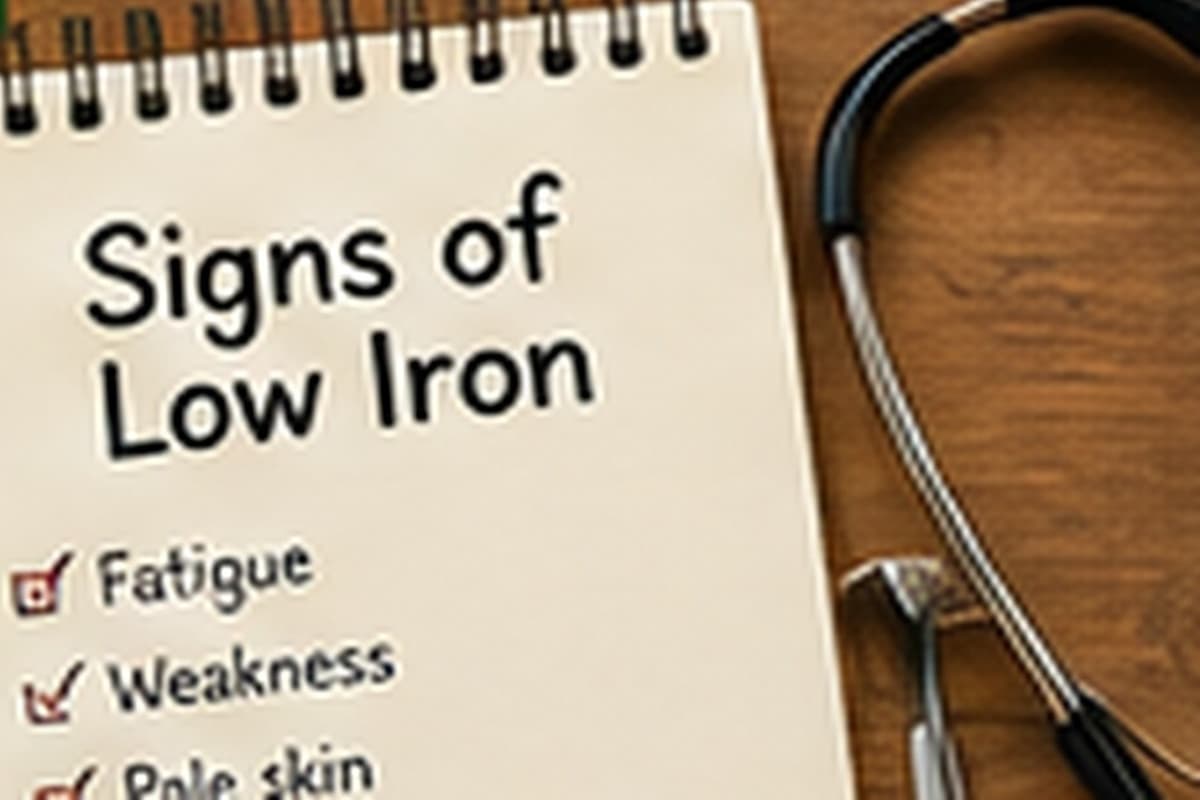
Some commonly reported signs associated with low iron levels include fatigue, weakness, dizziness, pale skin, cold hands and feet, and shortness of breath.
Fatigue And Weakness
Fatigue and weakness can occur for many different reasons. Nutritional factors are only one possible contributor, so persistent or unexplained symptoms should be discussed with a qualified healthcare professional.
Foods That Provide Iron
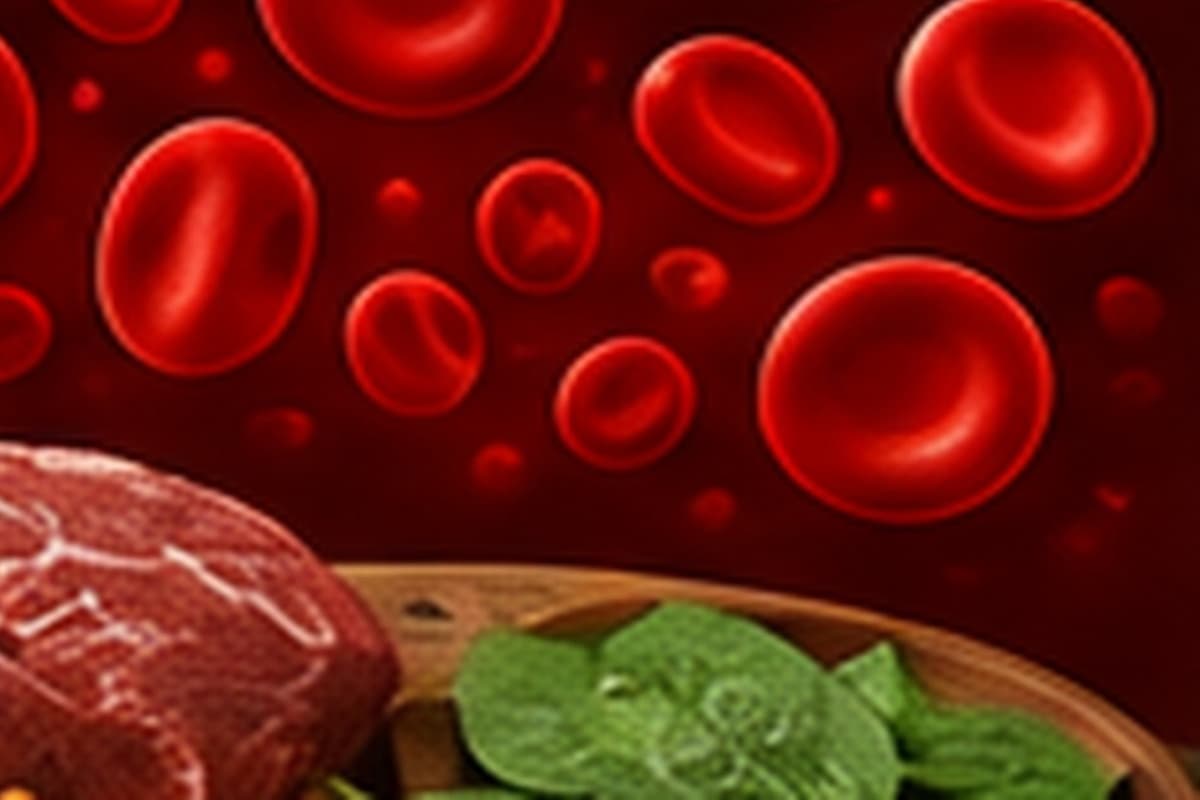
A balanced diet can provide iron through foods such as spinach, lean red meat, lentils, and beans.
These foods provide different forms and amounts of nutrients. Including a variety of nutrient-dense foods can support overall nutritional health.
Iron And Other Important Nutrients
Iron is an essential nutrient involved in normal hemoglobin production. Other nutrients, including Vitamin B12 and Vitamin C, also play important roles in normal nutritional health.
When To Speak With A Healthcare Professional
If you have persistent symptoms or are concerned about your iron status, discuss your concerns with a qualified healthcare professional. Appropriate testing may be needed to understand the underlying cause.
Food and nutrition information can support healthy eating, but it should not replace professional evaluation, diagnosis, or treatment.
Frequently Asked Questions About Low Iron
What Are Common Signs Associated With Low Iron?
Fatigue, weakness, dizziness, pale skin, shortness of breath, and reduced energy can occur with iron deficiency anemia, but these symptoms are not specific to iron deficiency.
How Is Iron Deficiency Confirmed?
Symptoms alone cannot confirm iron deficiency. A healthcare professional may use blood tests and clinical evaluation to determine the cause.