Vitamin D Foods For Vegetarians
Explore vitamin D foods for vegetarians, including eggs, fortified milk and plant-based drinks, fortified cereals, yogurt, cheese, and UV-exposed mushrooms.
About This Topic
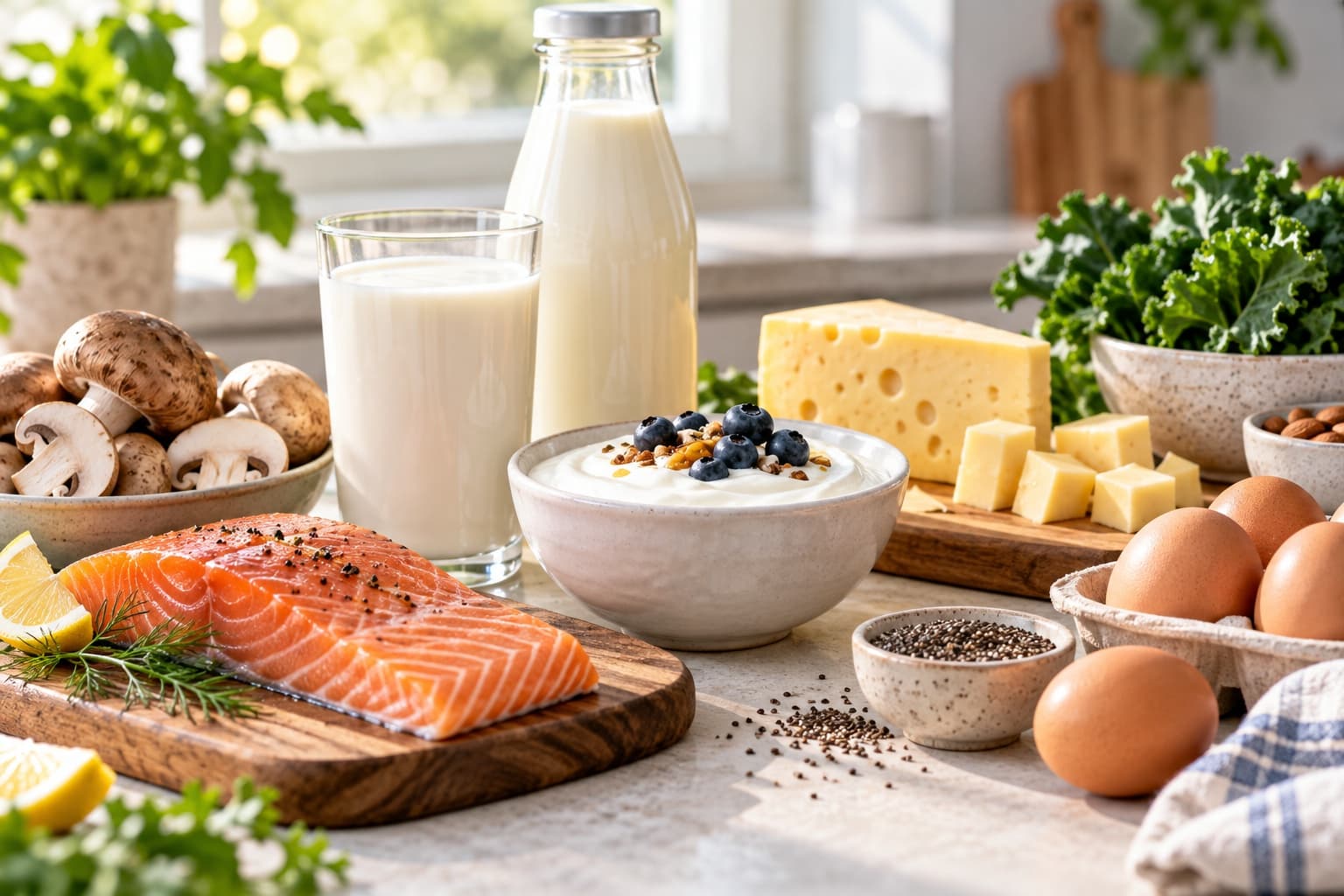
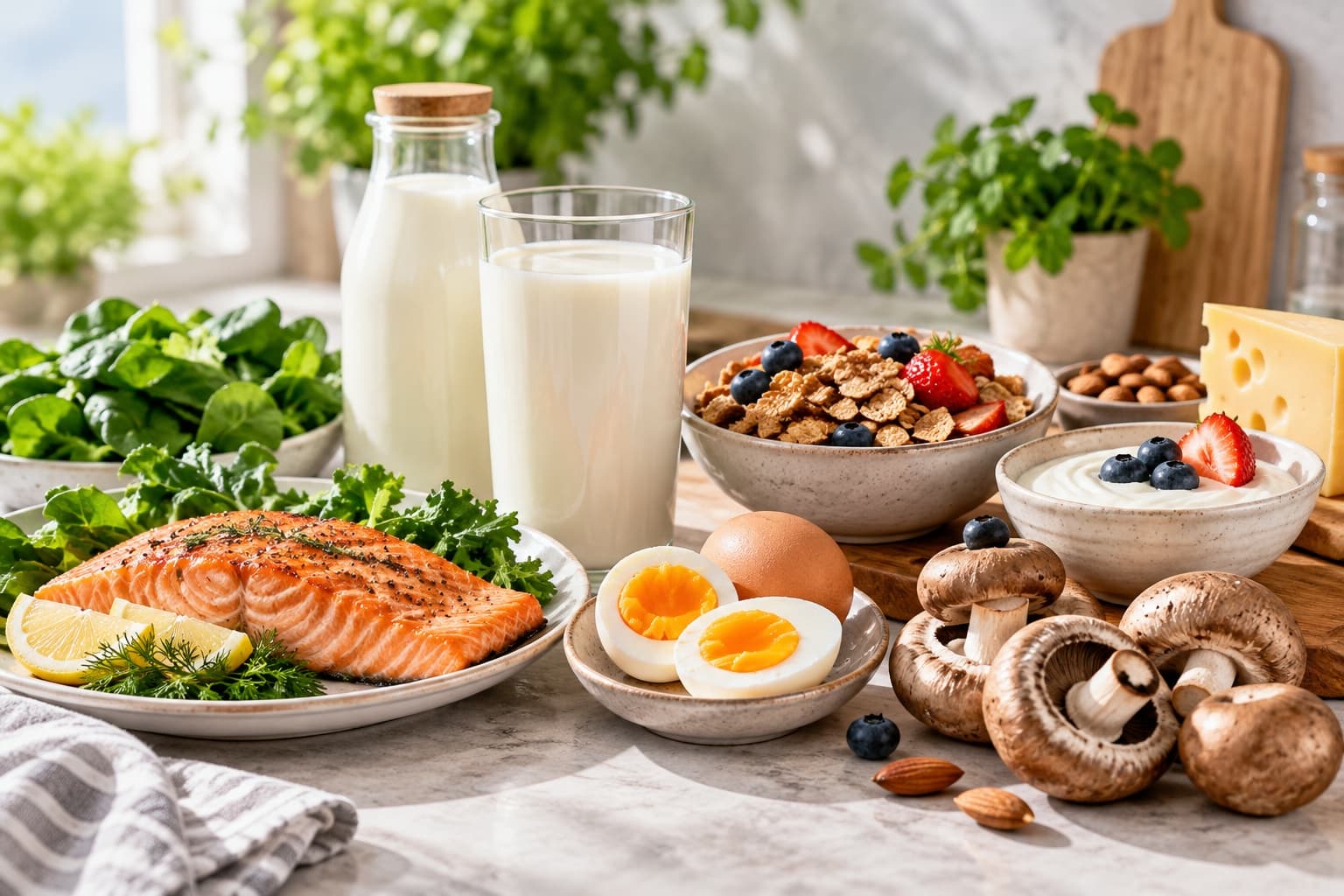
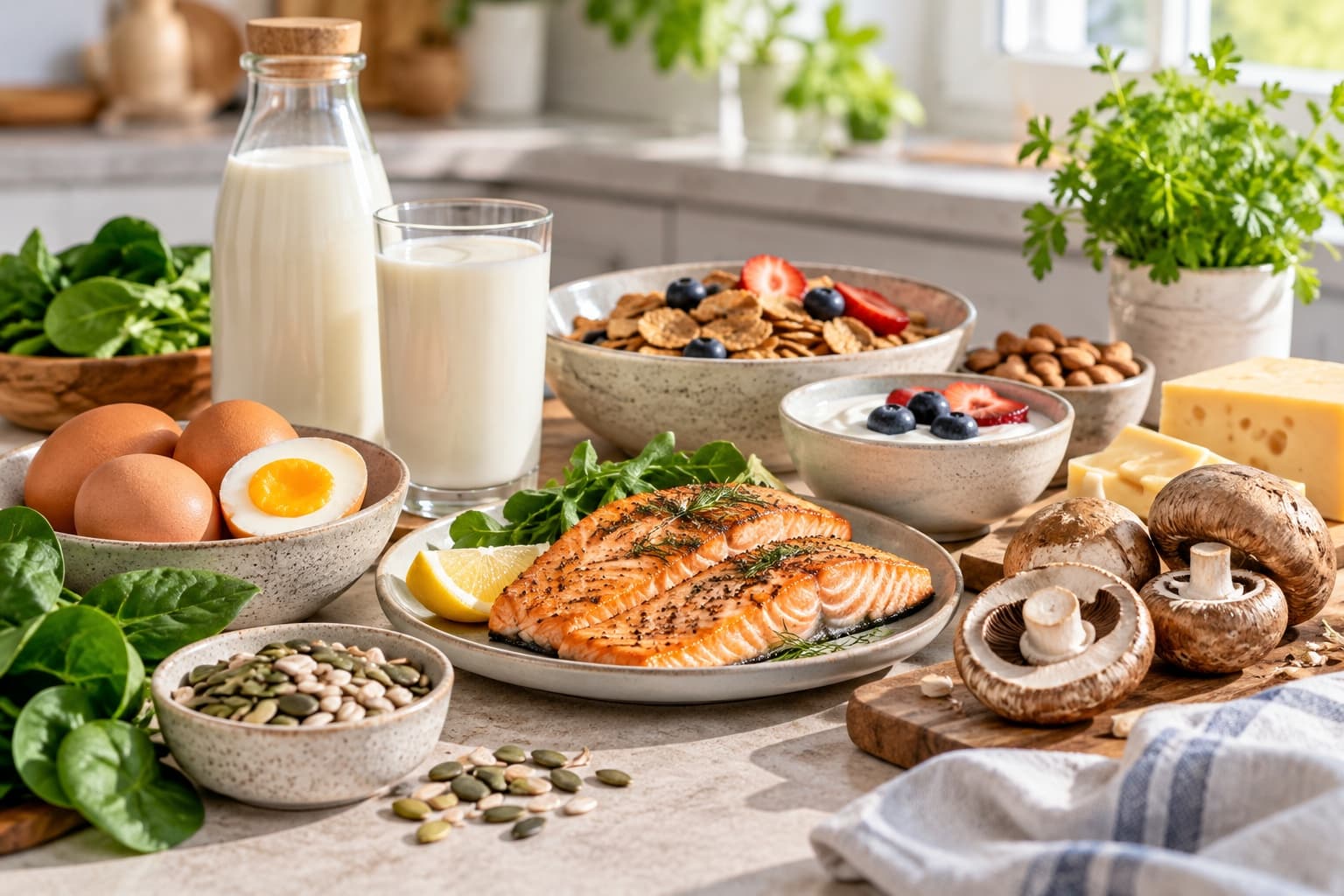
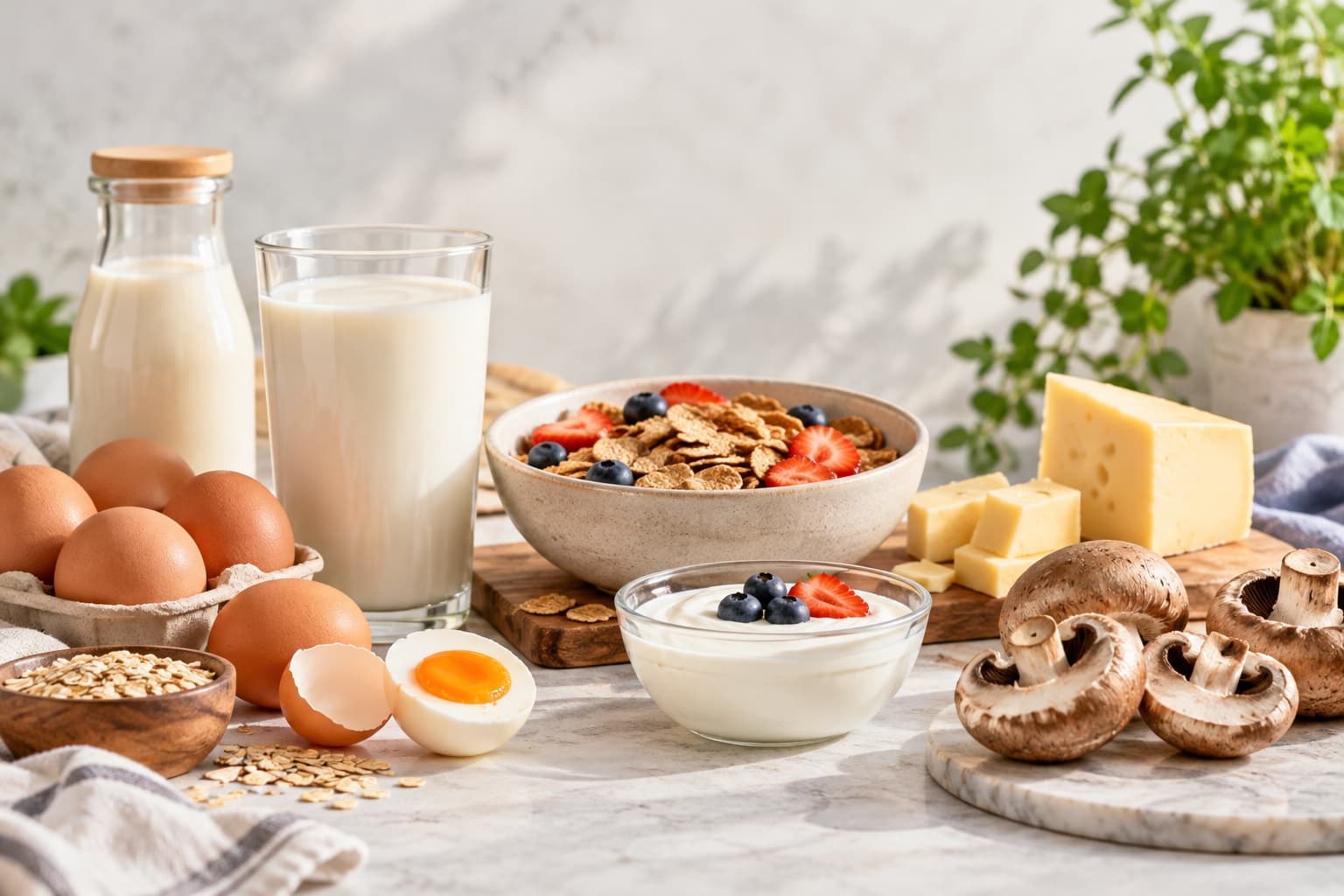
Vitamin D foods for vegetarians include egg yolks, fortified milk and plant-based drinks, fortified breakfast cereals, yogurt, cheese, and certain mushrooms that have been exposed to ultraviolet (UV) light. Very few foods naturally contain vitamin D, so fortified foods can be particularly useful for people who do not eat fish or other animal foods.
The amount of vitamin D in a food can vary by product, preparation, fortification, and country. Always check the nutrition label when choosing a food specifically for its vitamin D content.
Why Is Vitamin D Important?
Vitamin D helps the body absorb calcium and supports normal bone health. It also has roles in normal muscle and immune function. Vitamin D status is influenced by dietary intake, sunlight exposure, absorption, and other individual factors.
Vitamin D Foods For Vegetarians
1. Eggs
Eggs contain vitamin D, with the vitamin found in the yolk. They also provide protein, vitamin B12, and other nutrients. For vegetarians who eat eggs, they can be one of the naturally occurring dietary sources of vitamin D.
2. Fortified Milk
Some milk is fortified with vitamin D. Fortified milk can provide vitamin D along with nutrients such as calcium and protein. The amount of vitamin D varies by product and country, so check the nutrition label rather than assuming that all milk is fortified.
3. Fortified Plant-Based Drinks
Some soy, almond, oat, and other plant-based drinks are fortified with vitamin D. If you use a plant-based milk alternative, look for vitamin D on the nutrition label and compare products based on their actual nutrient content.
4. Fortified Breakfast Cereals
Some breakfast cereals contain added vitamin D. Fortified cereals can be useful for vegetarians because vitamin D is naturally present in relatively few foods. Check the serving size and nutrition label to see how much vitamin D the cereal provides.
5. Yogurt
Some yogurt products are fortified with vitamin D. Yogurt can also provide protein and calcium. Because vitamin D fortification is not universal, check the label of the specific product.
6. Cheese
Cheese contains small amounts of vitamin D, although it is not usually a major dietary source. Cheese can still contribute to overall nutrient intake when included as part of a varied diet.
7. UV-Exposed Mushrooms
Mushrooms can provide vitamin D2, and some mushrooms are exposed to UV light to increase their vitamin D content. The amount can vary considerably between products, so the label or product information is useful when available.
Vegetarian Sources Compared With Vegan Sources
Vegetarians who eat eggs and dairy have more food sources of vitamin D available than people following a vegan diet. Eggs can provide some naturally occurring vitamin D, while dairy foods and plant-based alternatives may provide vitamin D when they are fortified.
Vegans do not consume eggs or dairy, so fortified plant-based drinks, fortified cereals, fortified spreads, and other appropriately fortified foods may be useful sources. People following a vegan diet should check labels because fortification varies between products.
How Much Vitamin D Do Adults Need?
According to the U.S. National Institutes of Health, the recommended dietary allowance for adults ages 19 to 70 is 15 micrograms (600 IU) per day. For adults age 71 and older, the recommended amount is 20 micrograms (800 IU) per day.
Nutrient requirements and supplement recommendations can differ for particular health conditions or life stages. If you are concerned about your vitamin D intake or blood vitamin D level, discuss your situation with a qualified healthcare professional.
Vitamin D And Calcium
Vitamin D helps the body absorb calcium, so these nutrients are closely connected. Vegetarian foods such as dairy products and fortified plant-based drinks may provide both calcium and vitamin D, depending on the product.
Learn more about Vitamin D and Calcium.
Can Vegetarians Get Enough Vitamin D From Food?
It can be difficult to obtain all vitamin D needs from naturally occurring food sources alone because relatively few foods contain substantial amounts of vitamin D. Fortified foods can help increase dietary intake, but the amount provided depends on the foods and products chosen.
Sunlight exposure also contributes to vitamin D production in the body, but the amount produced varies with factors such as season, location, skin exposure, age, and other circumstances.
Simple Ways To Include Vitamin D Foods
- Choose milk or plant-based drinks that are fortified with vitamin D.
- Check breakfast cereal labels for added vitamin D.
- Include eggs if they fit your vegetarian eating pattern.
- Choose yogurt products that list vitamin D when available.
- Use UV-exposed mushrooms when they are available and labeled as a vitamin D source.
- Check nutrition labels because fortification varies between products.
Frequently Asked Questions About Vitamin D Foods For Vegetarians
What Are Good Vitamin D Foods For Vegetarians?
Options can include eggs, fortified milk, fortified plant-based drinks, fortified breakfast cereals, some fortified yogurt products, cheese, and UV-exposed mushrooms.
Are Eggs A Source Of Vitamin D?
Yes. Egg yolks contain vitamin D, although eggs are not among the highest dietary sources.
Do Plant-Based Foods Naturally Contain Vitamin D?
Very few plant foods naturally contain vitamin D. Some mushrooms can provide vitamin D2, particularly when they have been exposed to UV light. Many other plant-based products provide vitamin D only when the nutrient has been added through fortification.
Is All Milk Fortified With Vitamin D?
No. Fortification practices vary by country and product. Check the nutrition label to determine whether a particular milk contains added vitamin D.
Can Vegans Get Vitamin D From Food?
Yes, some fortified plant-based drinks, fortified cereals, fortified spreads, and certain other products can provide vitamin D. However, the amount varies by product, so labels should be checked carefully.
Is Sunlight A Food Source Of Vitamin D?
No. Sunlight is not a food source. Instead, the body can produce vitamin D when skin is exposed to ultraviolet radiation.