🥗
Loading NutriCompass
Preparing your nutrition information...
Preparing your nutrition information...
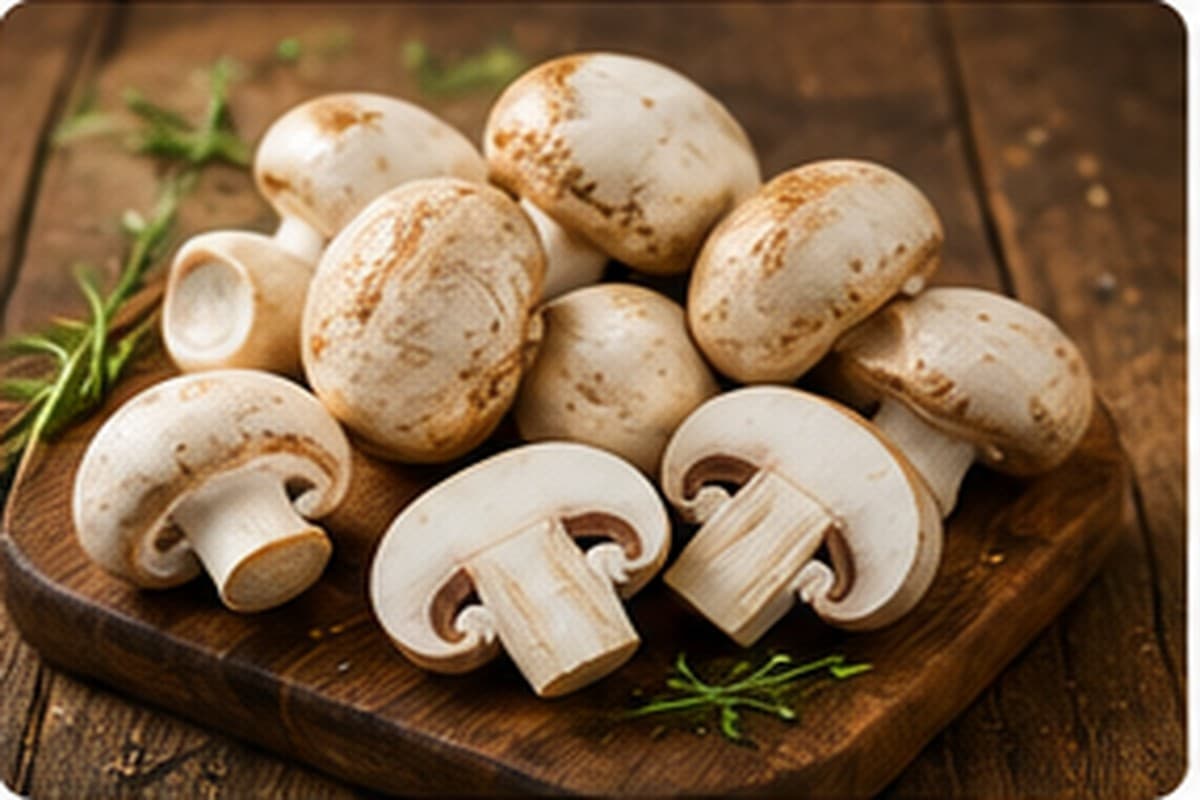
Mushrooms provide B vitamins, selenium, and other nutrients. Some varieties can also provide vitamin D when appropriately exposed to UV light.
Explore the important nutrients found in Mushroomsand learn more about their nutritional roles.
Mushrooms contains nutrients that can contribute to overall nutritional intake as part of a balanced diet.
Explore nutrition information related to Mushrooms.
Read more nutrition guides related to Mushroomsand its key nutrients.

Explore vitamin D-rich foods including salmon, fatty fish, eggs, fortified milk, yogurt, and mushrooms that can contribute to vitamin D intake.
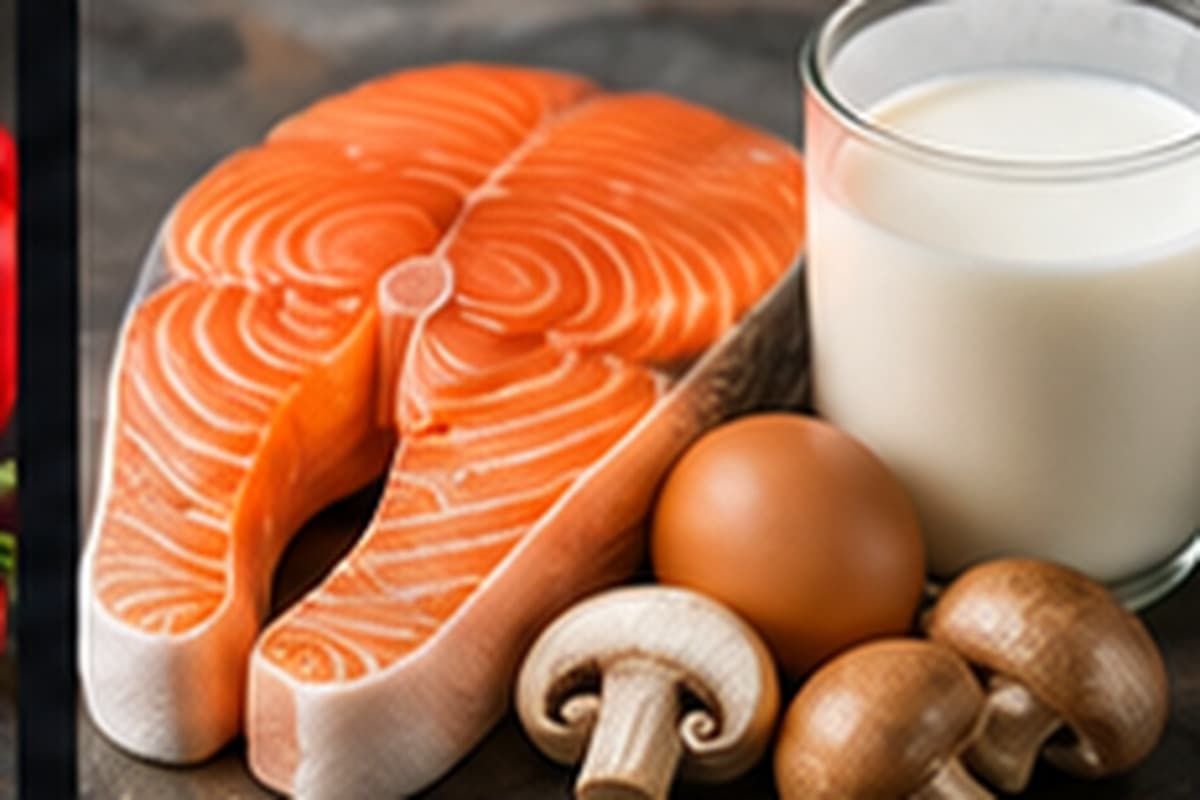
Explore foods that can provide vitamin D, including fatty fish, salmon, eggs, fortified milk, yogurt, and mushrooms.
Learn how to understand food nutrition information, including nutrients, protein, fiber, vitamins, minerals, and nutritional value.
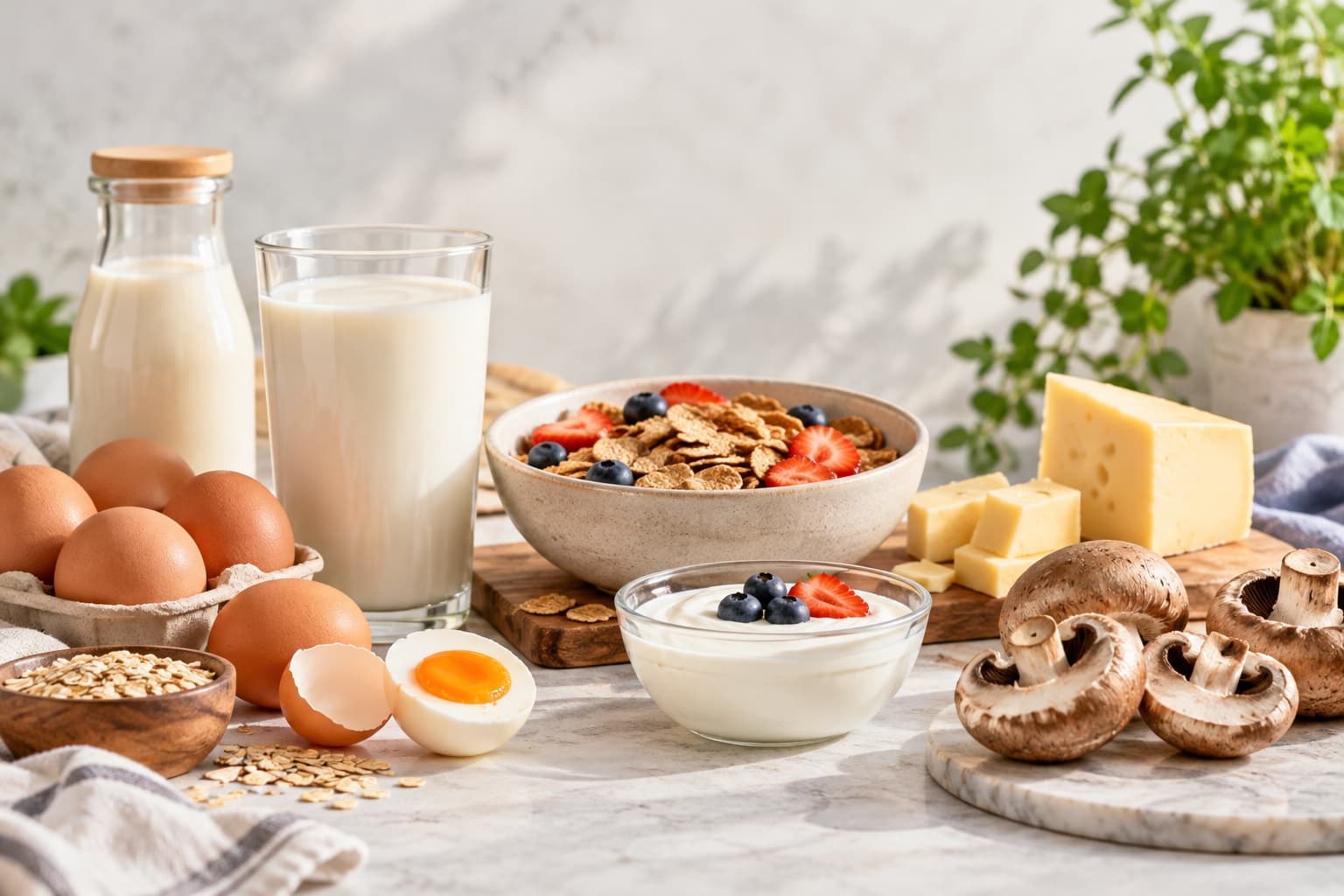
Explore vitamin D foods for vegetarians, including eggs, fortified milk and plant-based drinks, fortified cereals, yogurt, cheese, and UV-exposed mushrooms.
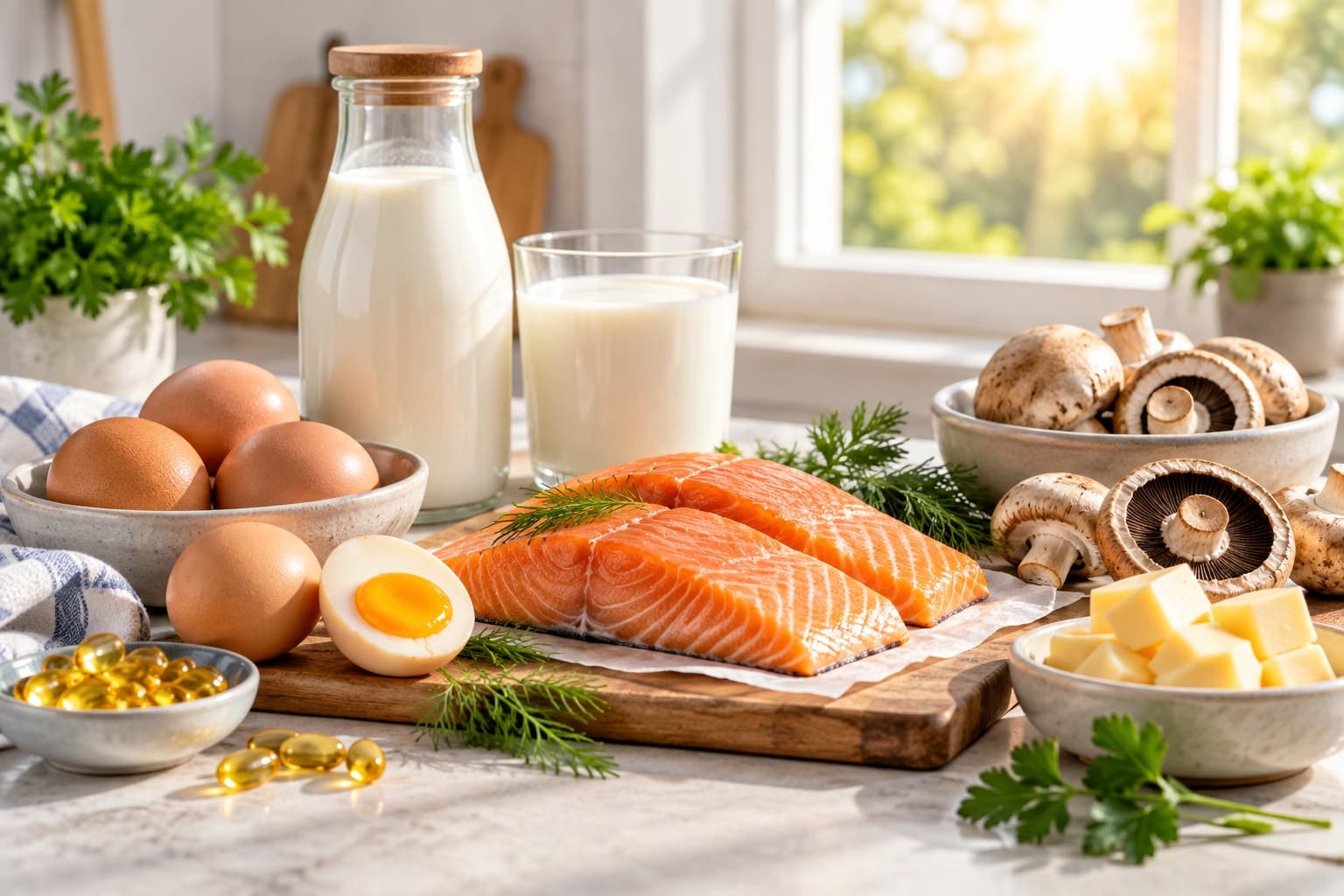
Learn about vitamin D deficiency symptoms and causes, including limited sunlight exposure, dietary factors, absorption issues, risk factors, and when testing may be appropriate.
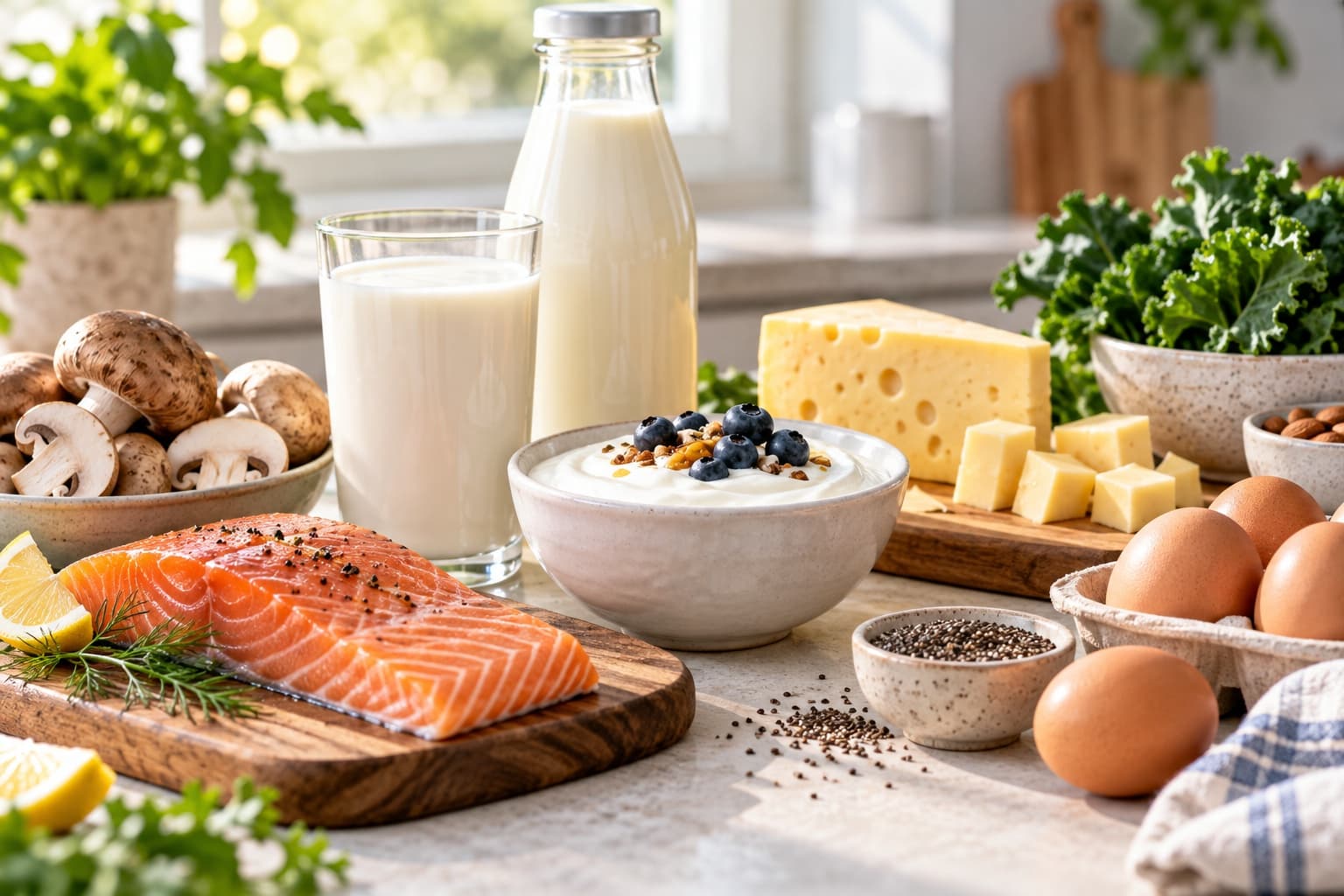
Explore foods that provide vitamin D and calcium, including fortified milk, yogurt, cheese, eggs, UV-exposed mushrooms, and fish, with practical meal ideas.
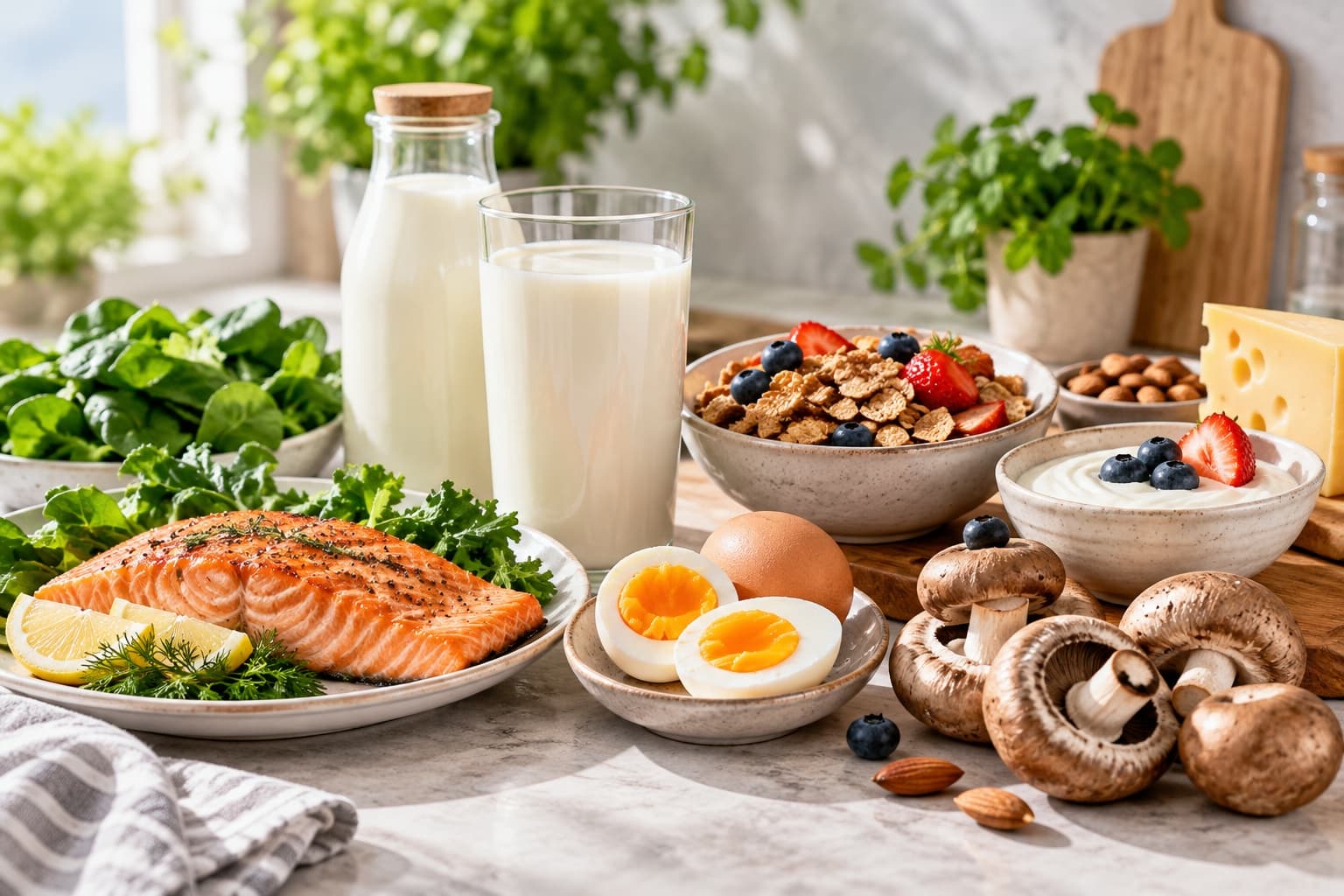
Learn which foods can contribute to vitamin D intake, including fatty fish, eggs, fortified milk, plant-based drinks, cereals, yogurt, and mushrooms.
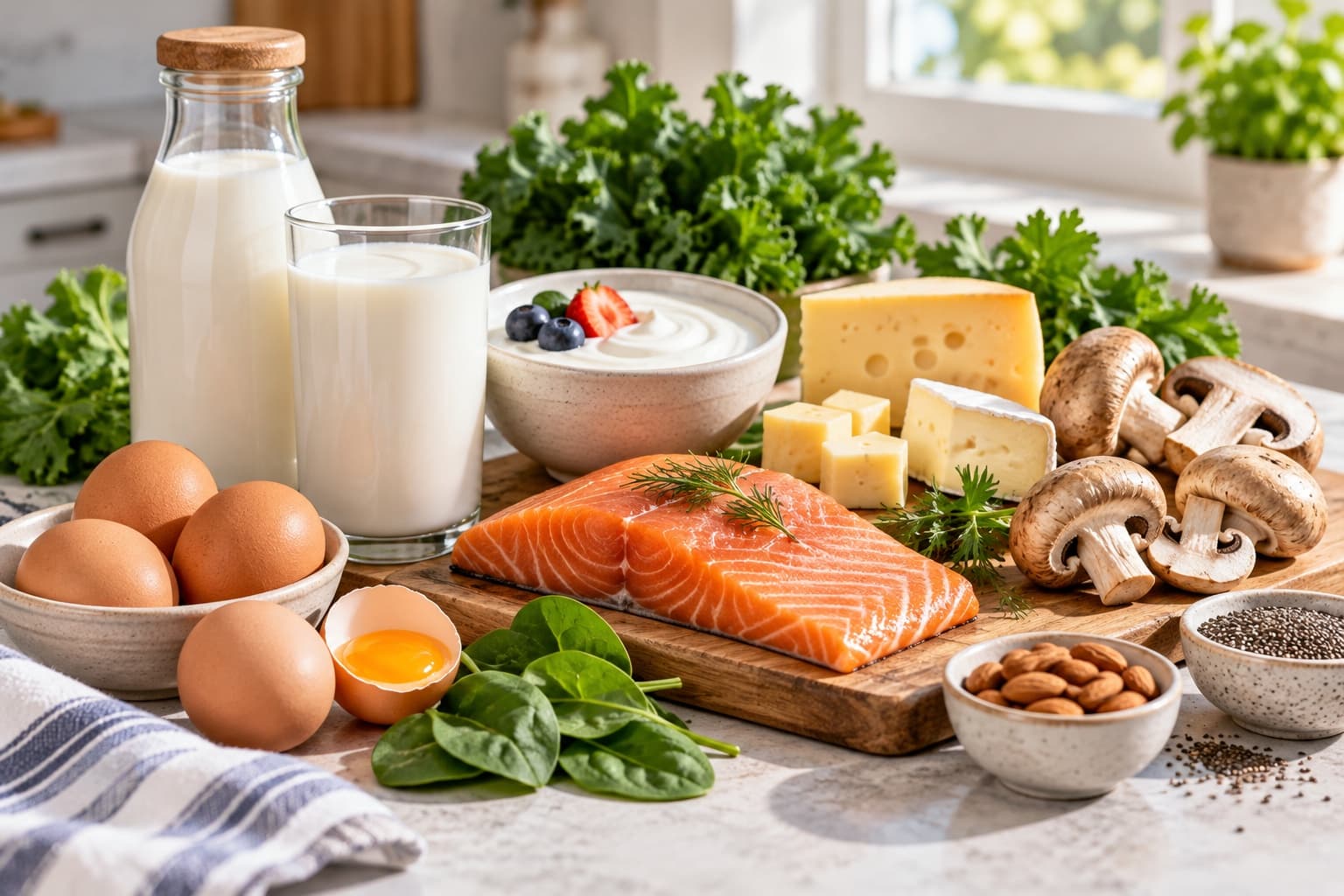
Understand how vitamin D and calcium work together for bone health, calcium absorption, muscle function, food sources, and daily nutrition.
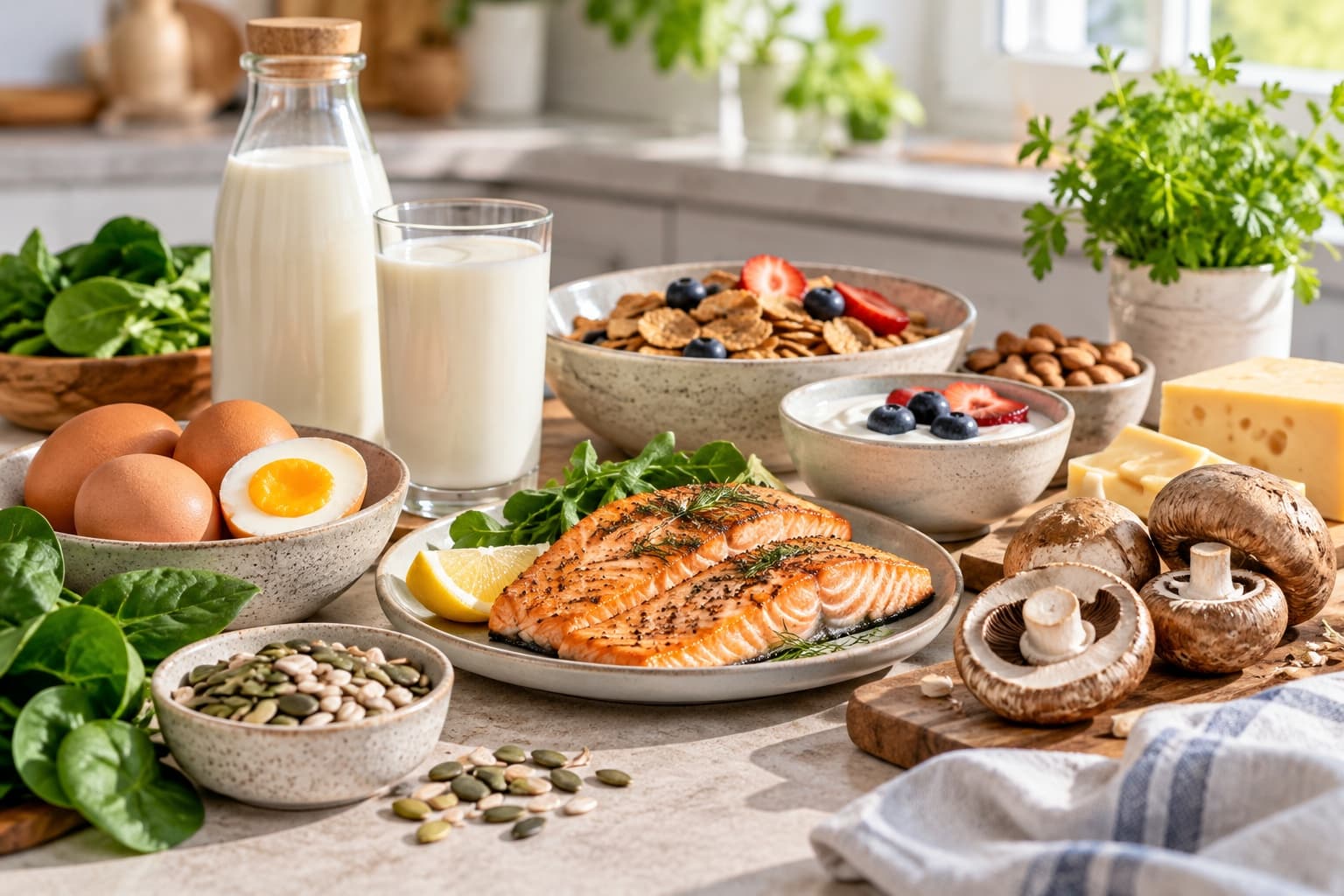
Learn how much vitamin D adults need and which foods can provide it, including fatty fish, eggs, fortified milk, plant-based drinks, cereals, yogurt, and mushrooms.
Discover more nutrient-rich foods and learn about their nutrients, nutritional benefits, and related nutrition topics.
Browse All Foods →NutriCompass provides general nutrition information for educational purposes. Individual nutritional needs can vary, and food information should not be used to diagnose or treat a medical condition. Speak with a qualified healthcare professional for personalized advice.